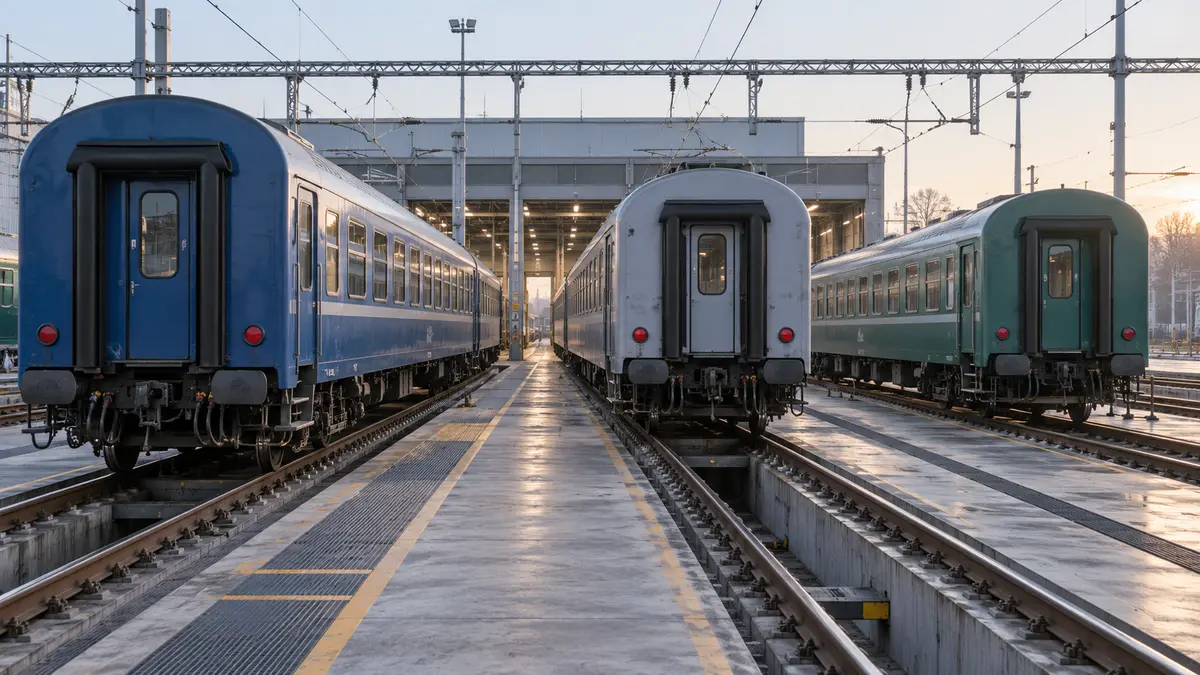
UK train lessors’ accounts renew the ownership debate
UK train lessors’ accounts renew the ownership debate
UK train lessors’ accounts renew the ownership debate
Russia's goods surplus for January–July 2026 reached $79.0 billion, up 19.7% on $66.0 billion a year earlier, on exports of $271.8 billion (+16.3%) against imports of $192.8 billion (+15.0%), with July alone at $13.6 billion; this analysis dates the reversal between the first-quarter reading of $25.3 billion (−17.6%) and the first-half reading of $65.4 billion (+20.7%), sizes the implied second quarter at $40.1 billion (+70.6%), reads the 1.3-point export lead as an external perimeter in which both flows re-expanded together, and shows how the $27.9 billion services deficit cuts the $79.0 billion goods surplus to a $33.9 billion current-account surplus (+57.7%).
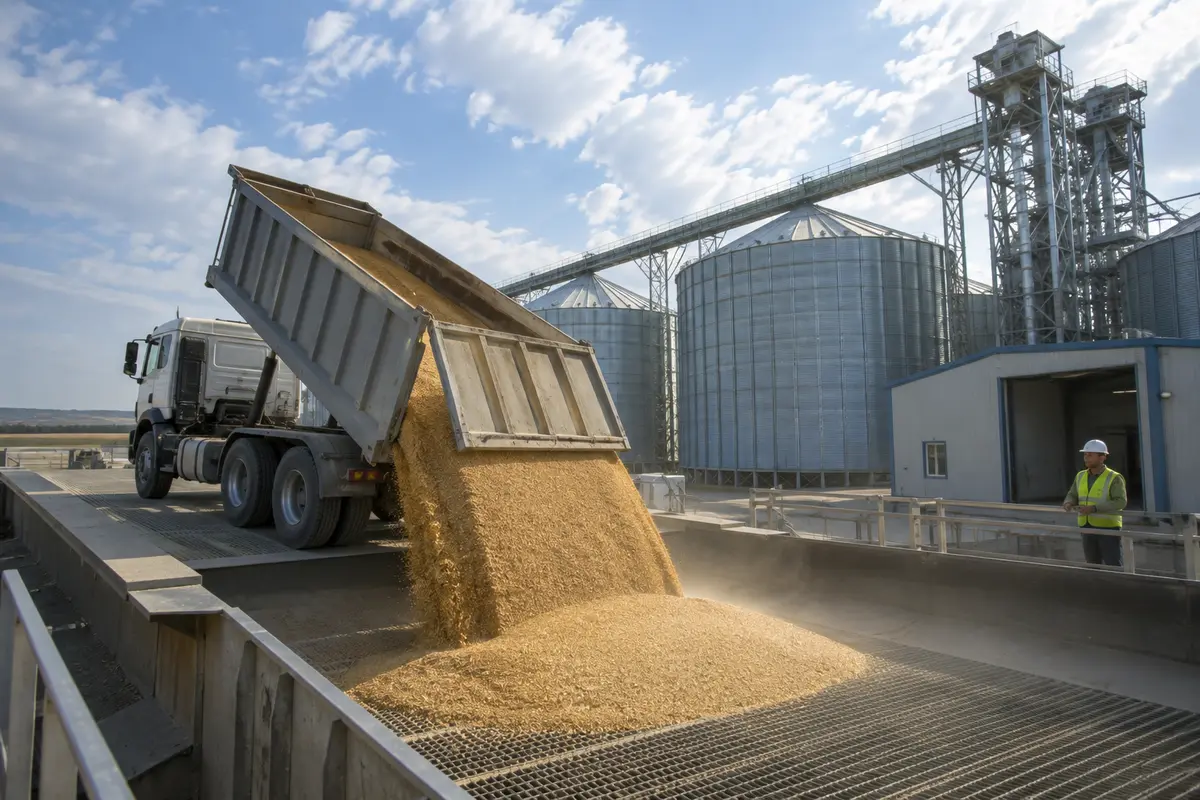
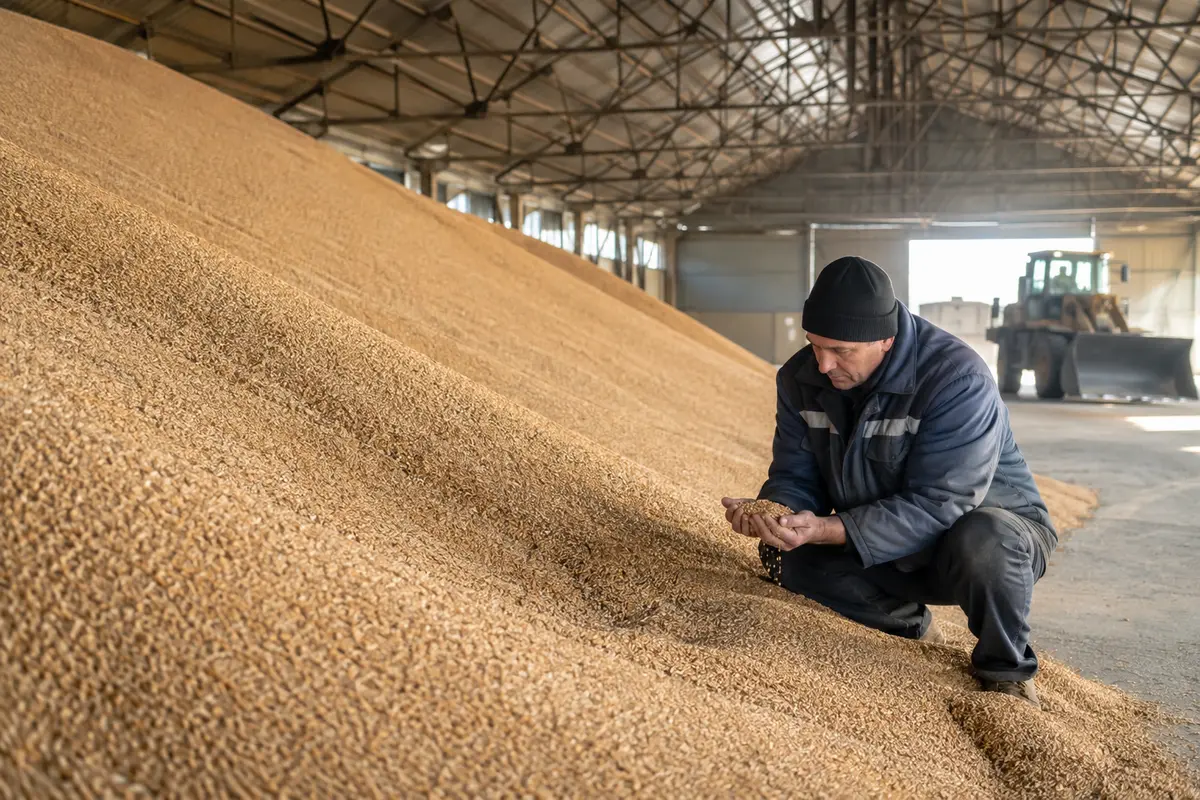
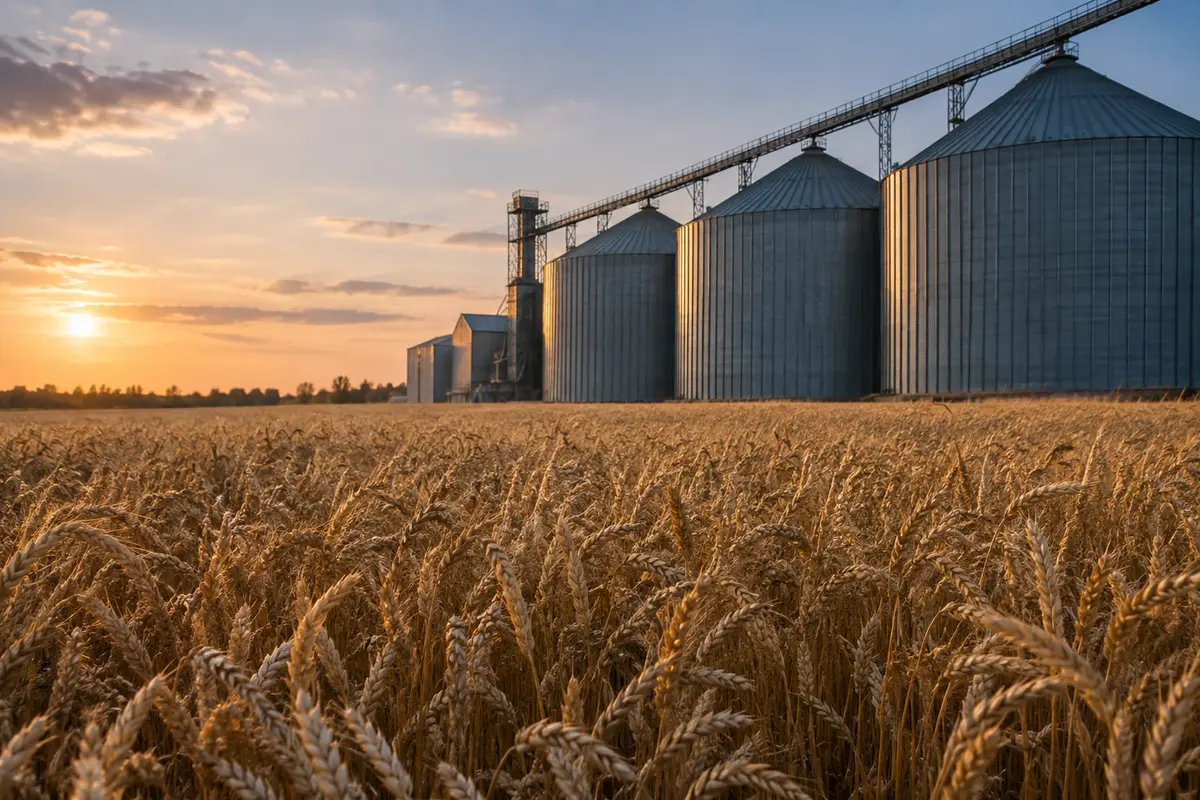
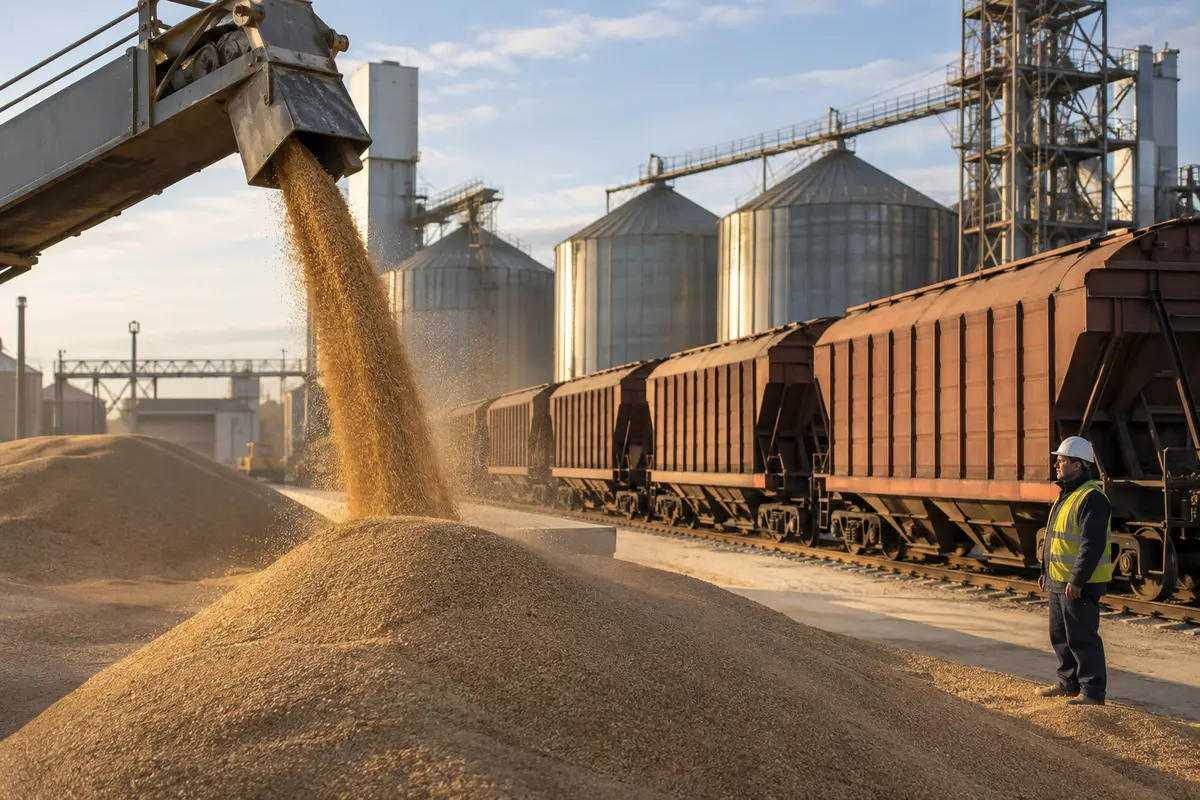
Russia has harvested 113.5 mln t of grain by September 8, 2026, well above last year; Deputy PM Dmitry Patrushev outlined a support package incl. rail subsidies
Russia's non-commodity, non-energy exports rose 3% to $58.8 bln in H1 2026, yet the 2026 target of $155.25 bln sits 5% below 2025's $163.7 bln result.
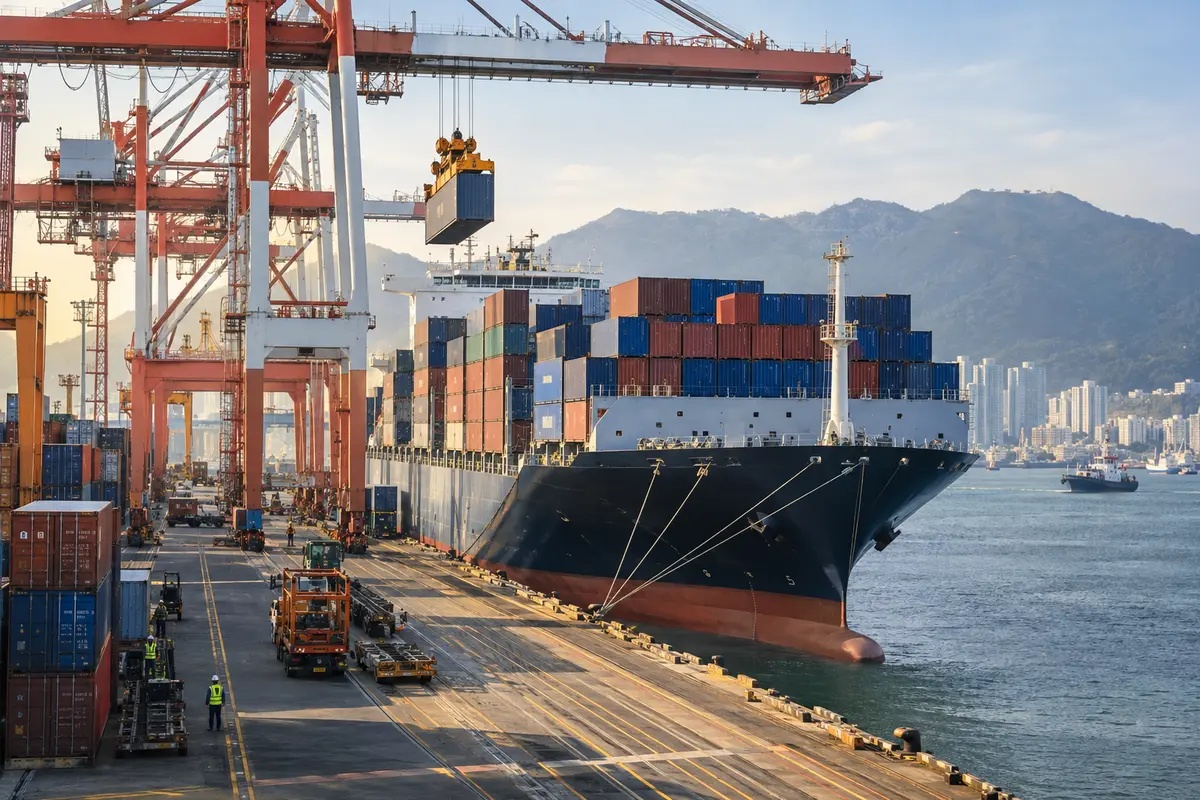
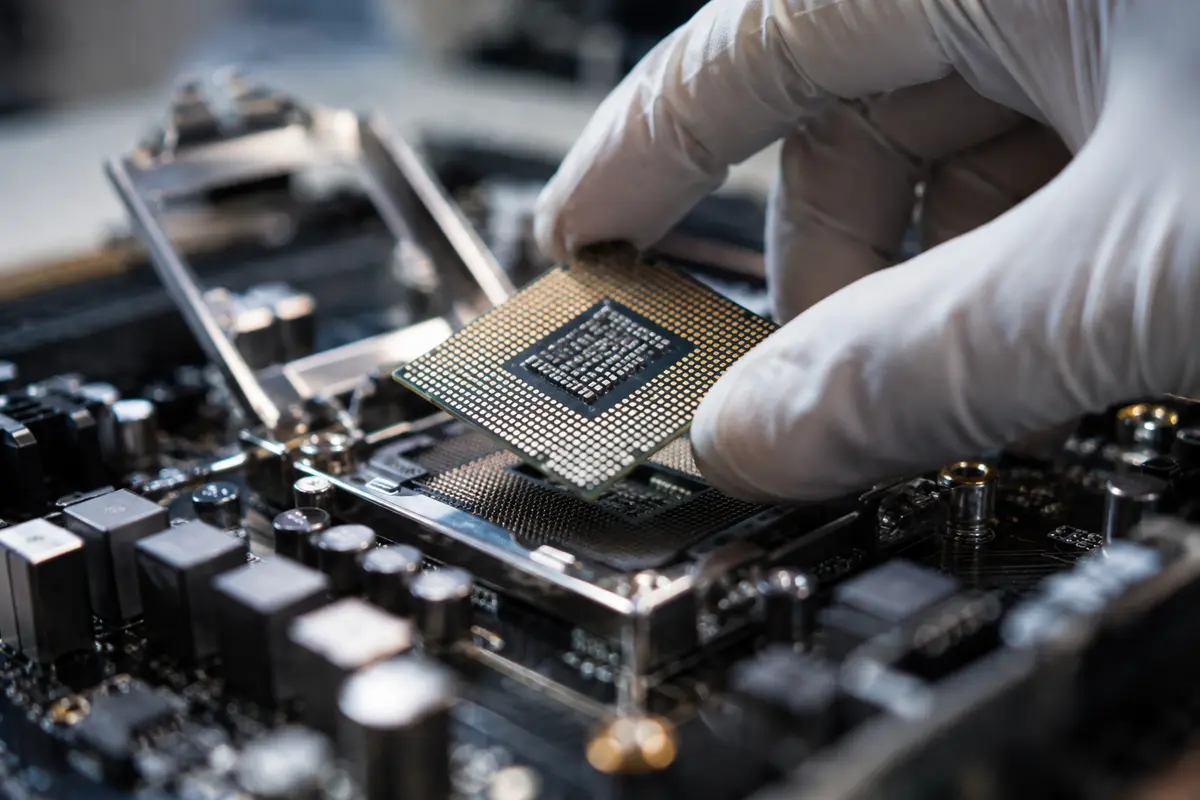
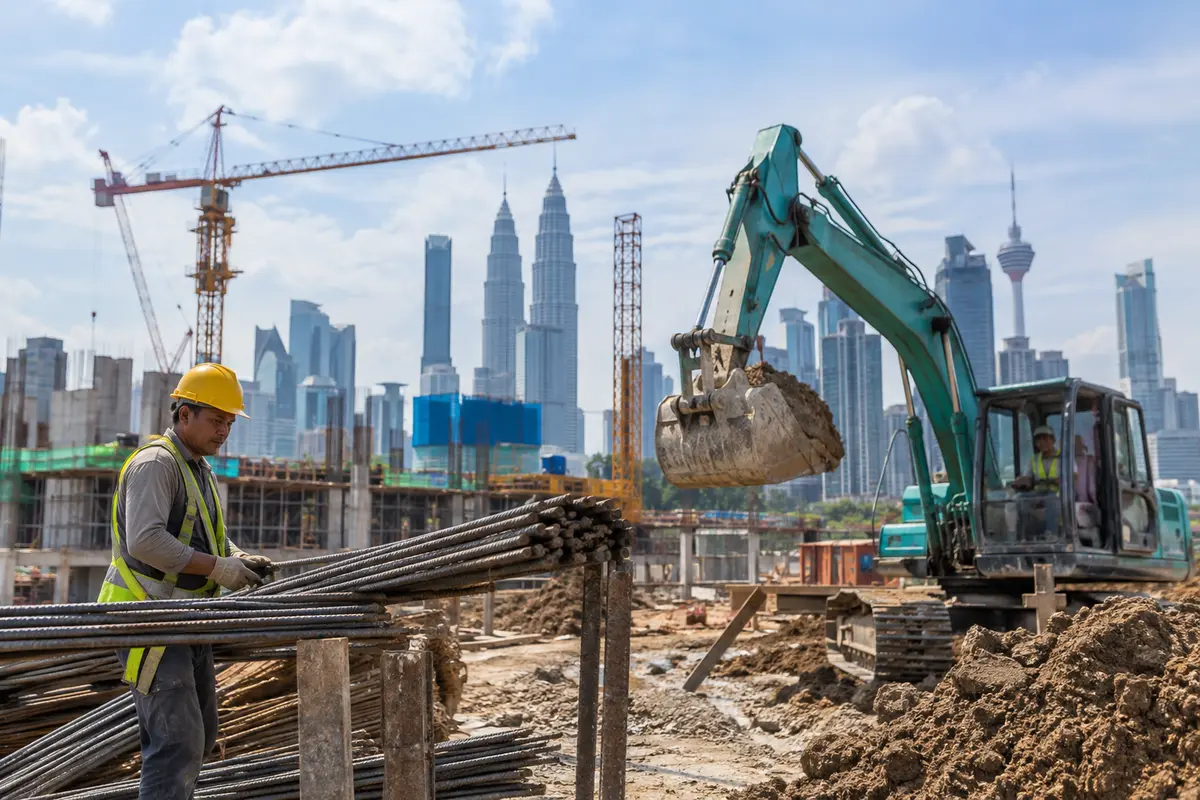
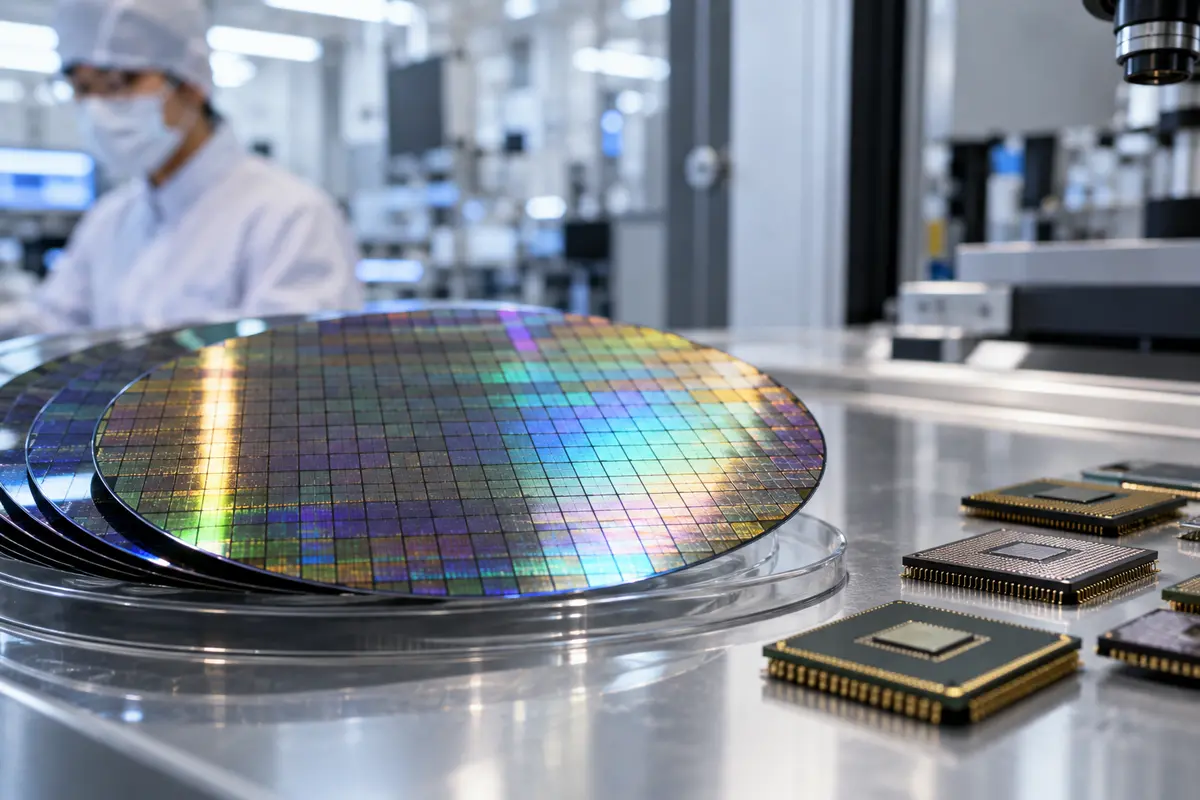
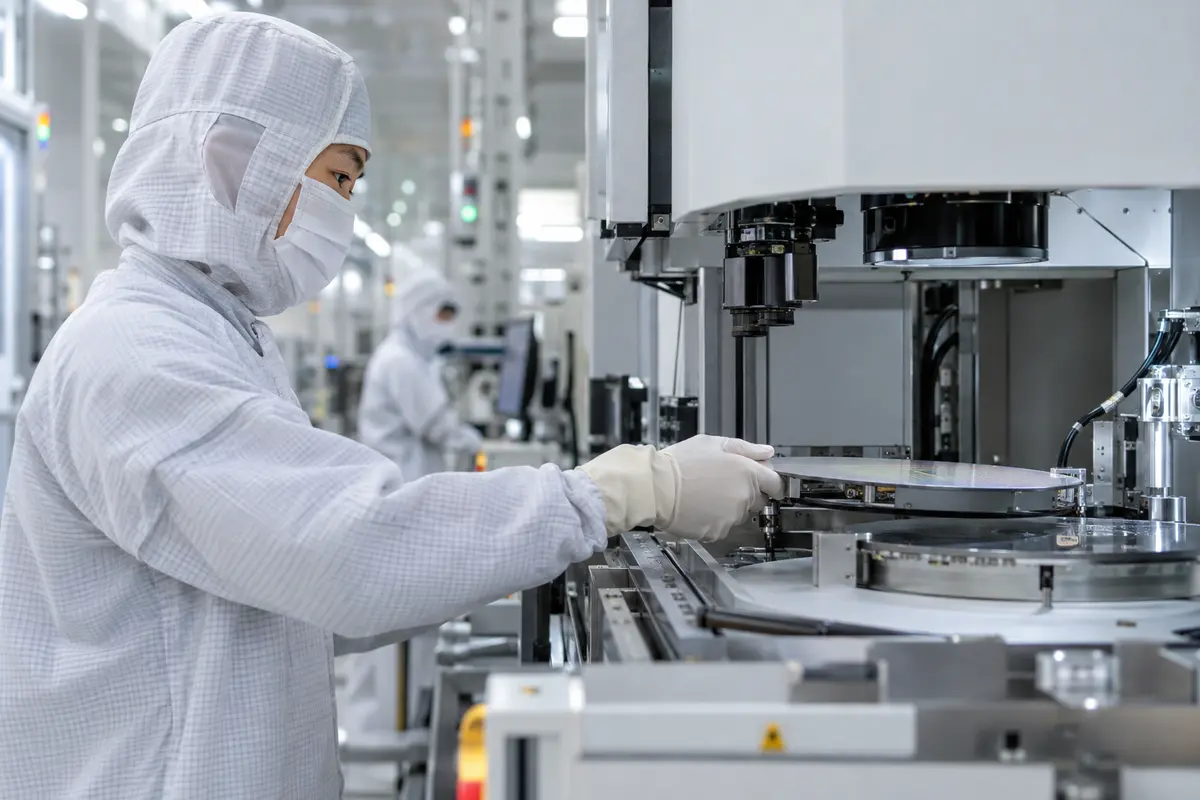
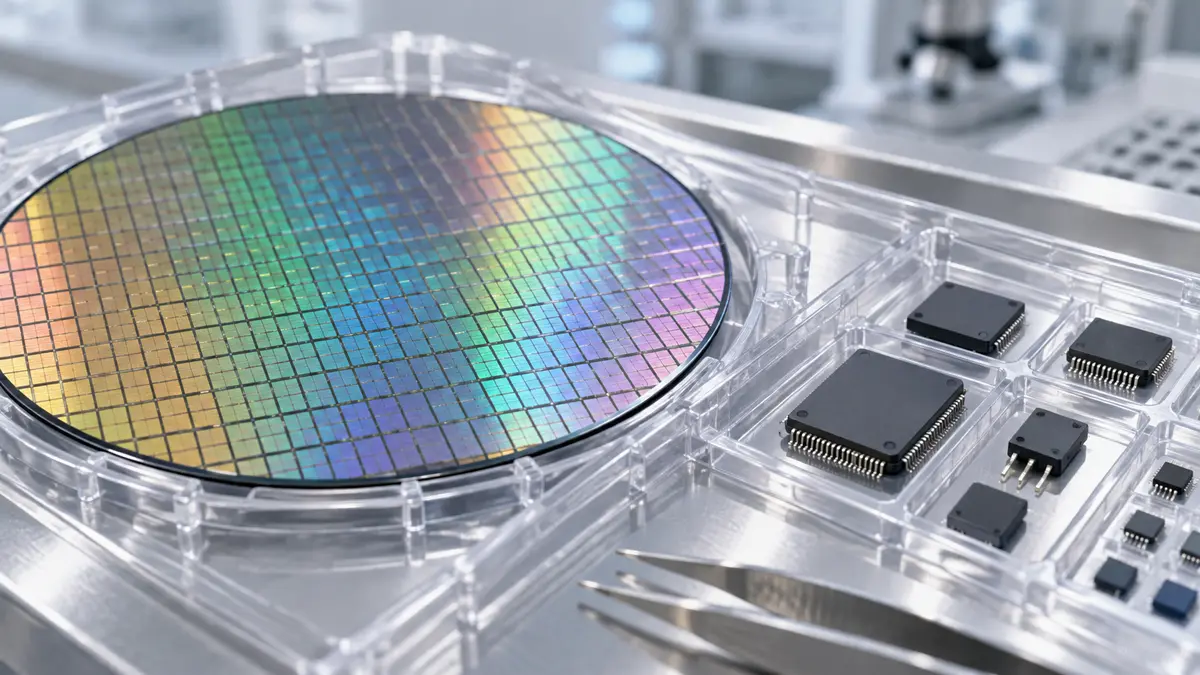
MSIA president Wong Siew Hai, a 27-year Intel veteran, raised Malaysia's 2026 E&E export forecast to more than RM900 billion (US$223 billion) from RM800 billion after technology exports jumped 44% in January-July to about RM564 billion, roughly 48% of total shipments with semiconductors nearly three-quarters of that, extending a trajectory from RM601 billion to RM711 billion in 2025; the analysis attributes the surge to the AI boom in servers and data-centre equipment, supply-chain shifts away from China and expanding OSAT capacity, and weighs the vulnerabilities of an export base in which chips alone approach 36% of all shipments.
Russia's industrial output rose 0.4% year on year in July 2026 after 0.7% in June; January–July growth was 0.1%, Rosstat data published by PRIME show
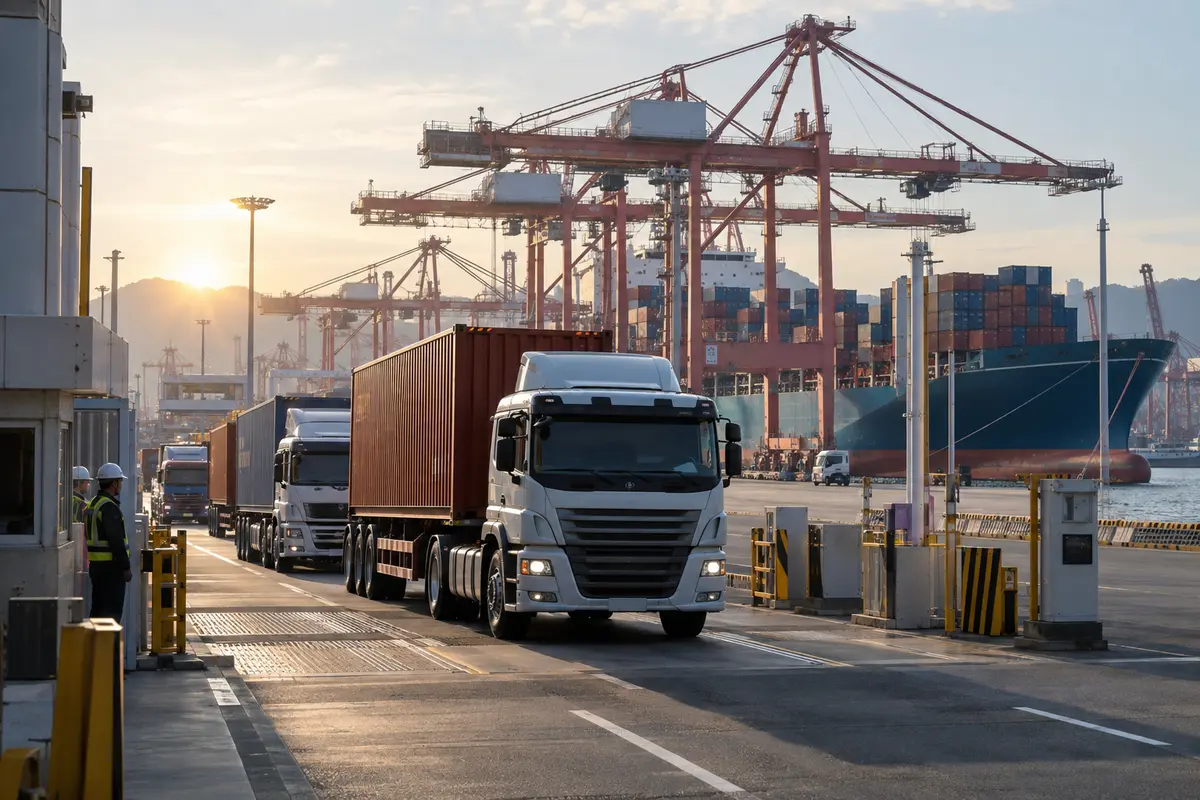
Jan-Jul 2026 trade hit RM2.16 trln (+24.7%), surplus +138.7% to RM170.5 bn; we test how durable export-led momentum is and where concentration risk sits
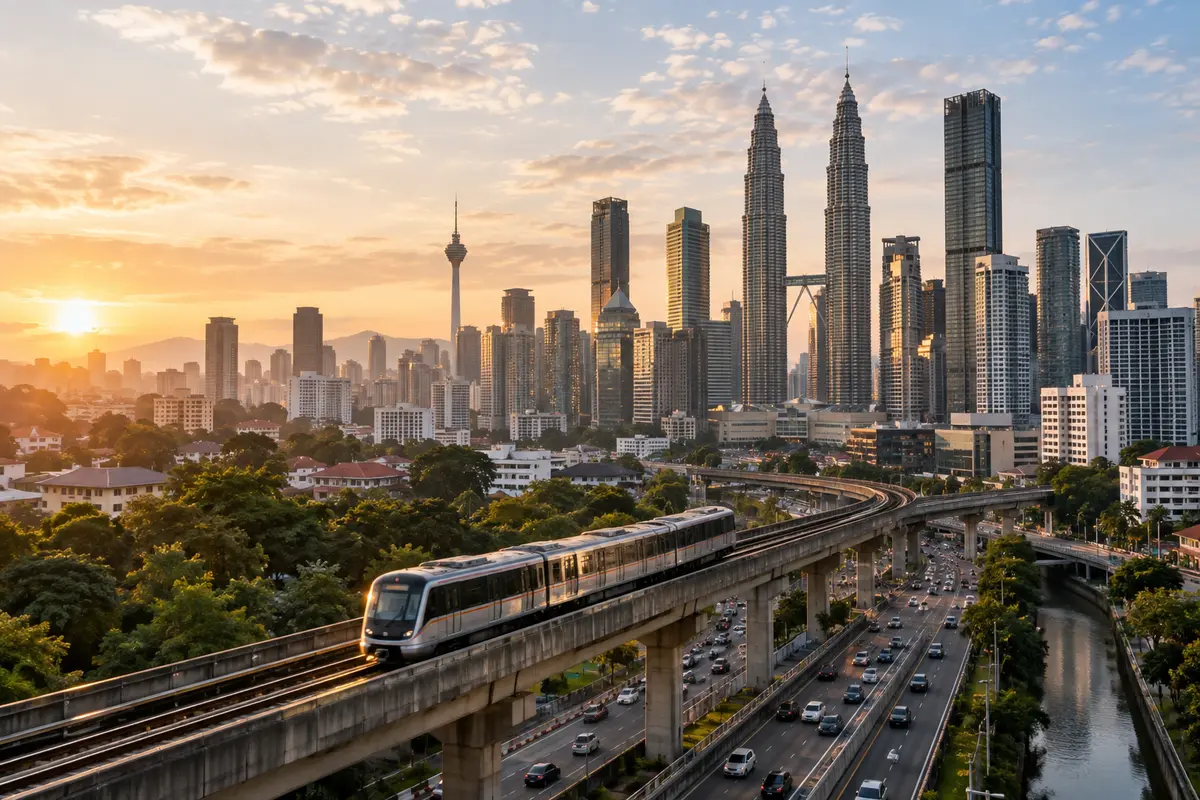
Malaysia's GDP grew 6.0% y-o-y in 2Q2026, beating the 5.8% advance; after three quarters of outperformance, full-year 2026 tracks around 5%, top of 4%-5%
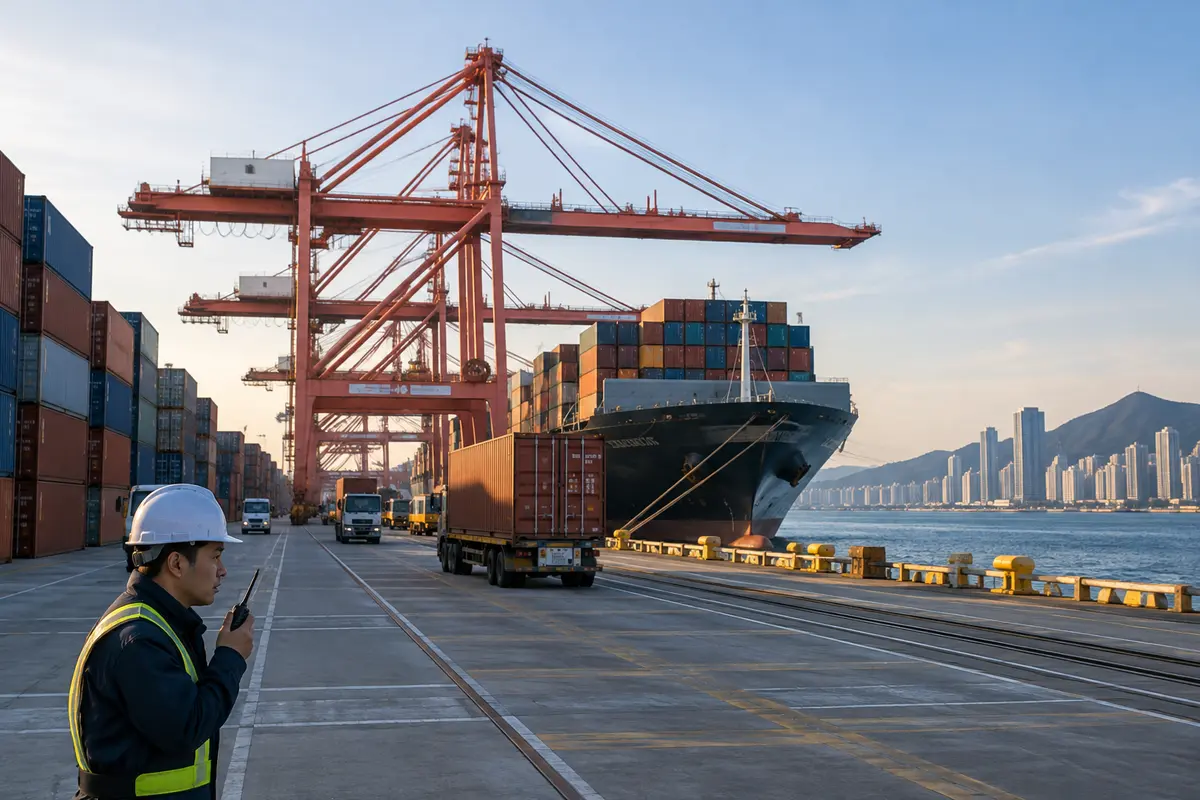
South Korea's July 2026 exports rose 63% y-o-y to $98.89 bln, the second-highest month ever; chips jumped 179% to $41 bln, Yonhap reports
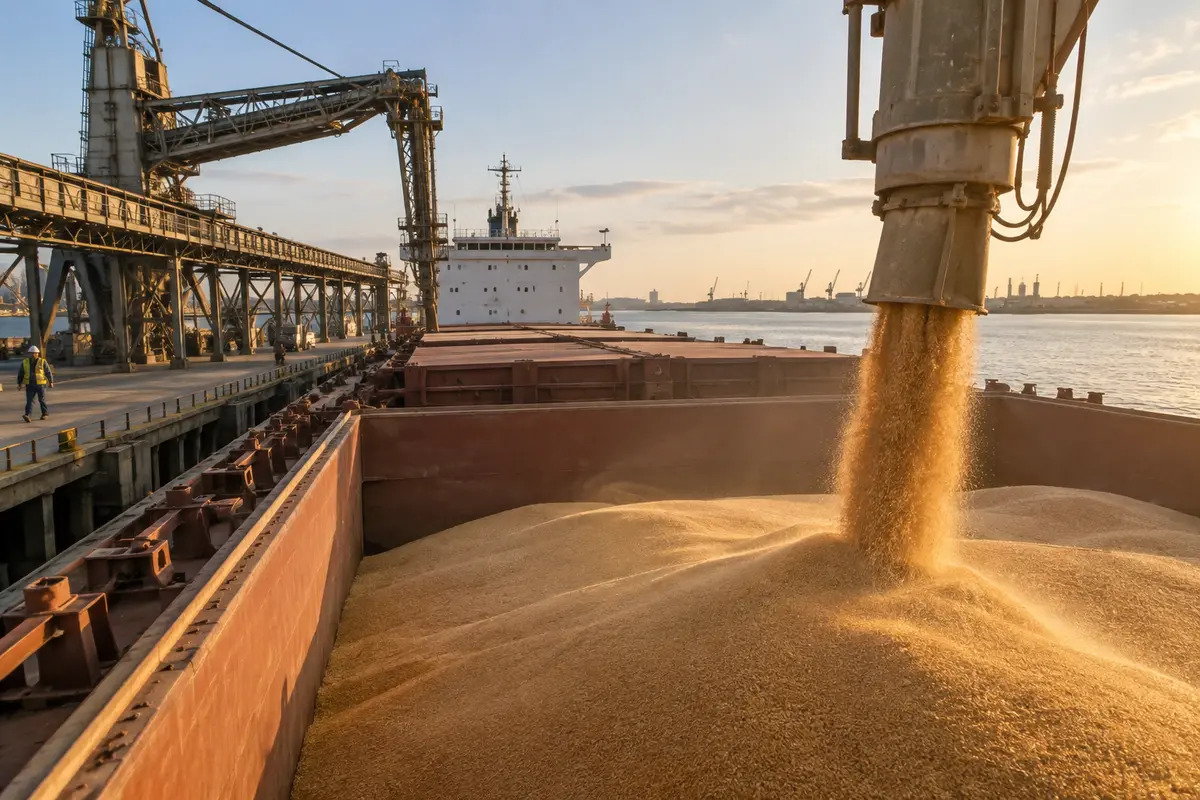
On July 13, 2026 USDA raised Russia's 2026/27 wheat export forecast by 0.5 mln t to 47.5 mln t and the production estimate to 88.5 mln t; EU kept at 31 mln t
South Korea's June 2026 exports hit $102.25 bln, up 70.9% y-o-y — the first month above $100 bln; chips nearly tripled to $44.82 bln, Yonhap data show
Russia's GDP fell 0.2% y-o-y in Q1 2026 per Rosstat's preliminary estimate, the first annual decline in three years; ministry and CBR cite calendar and winter
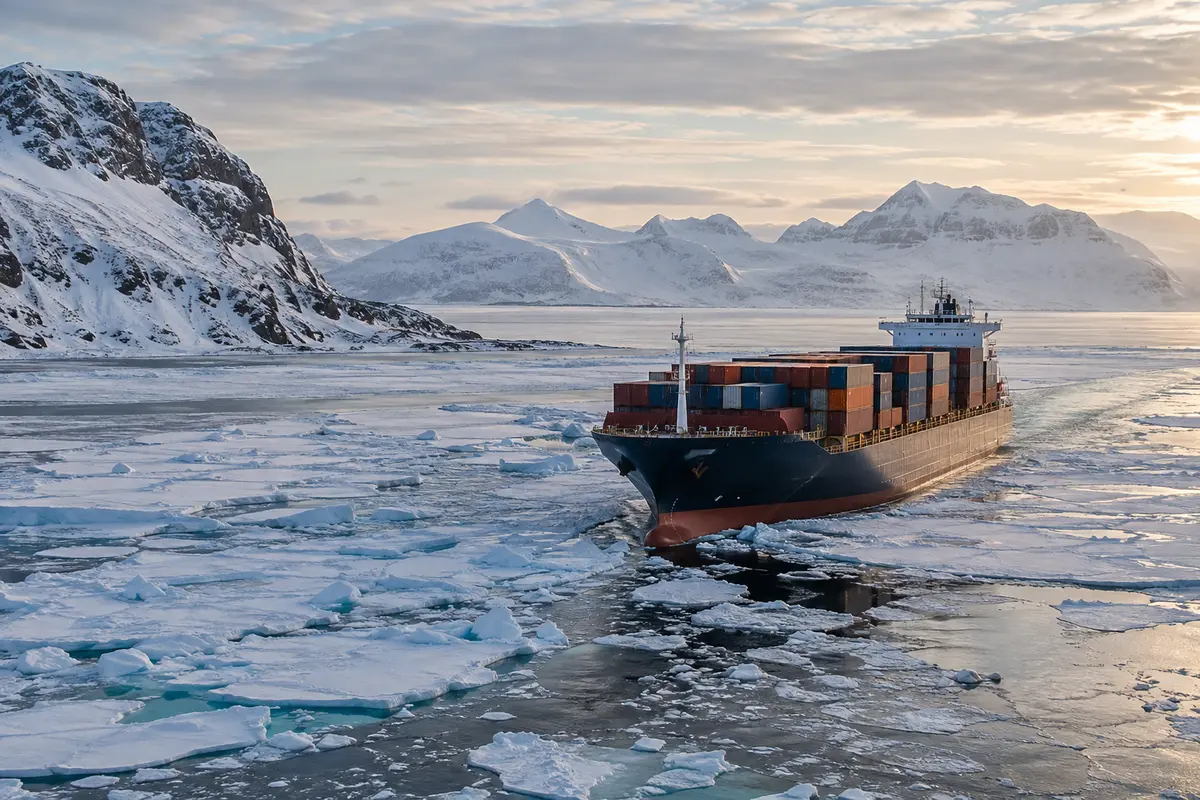
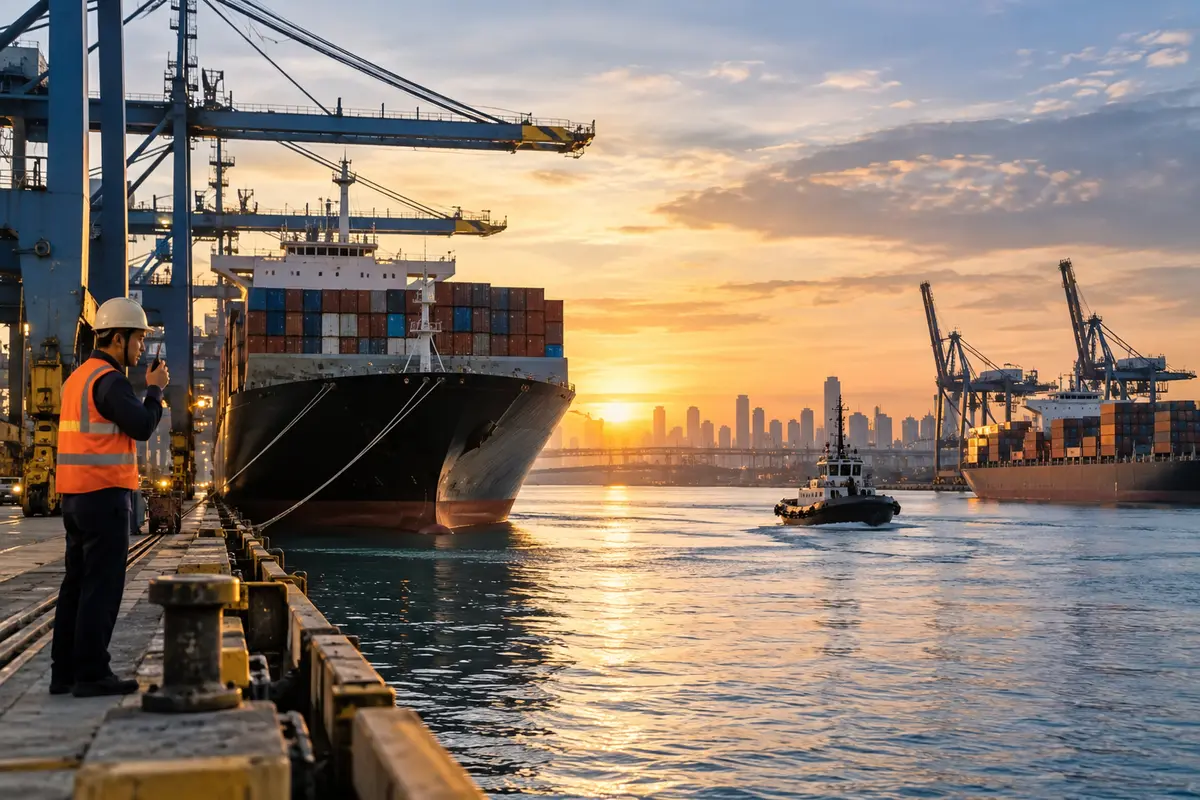
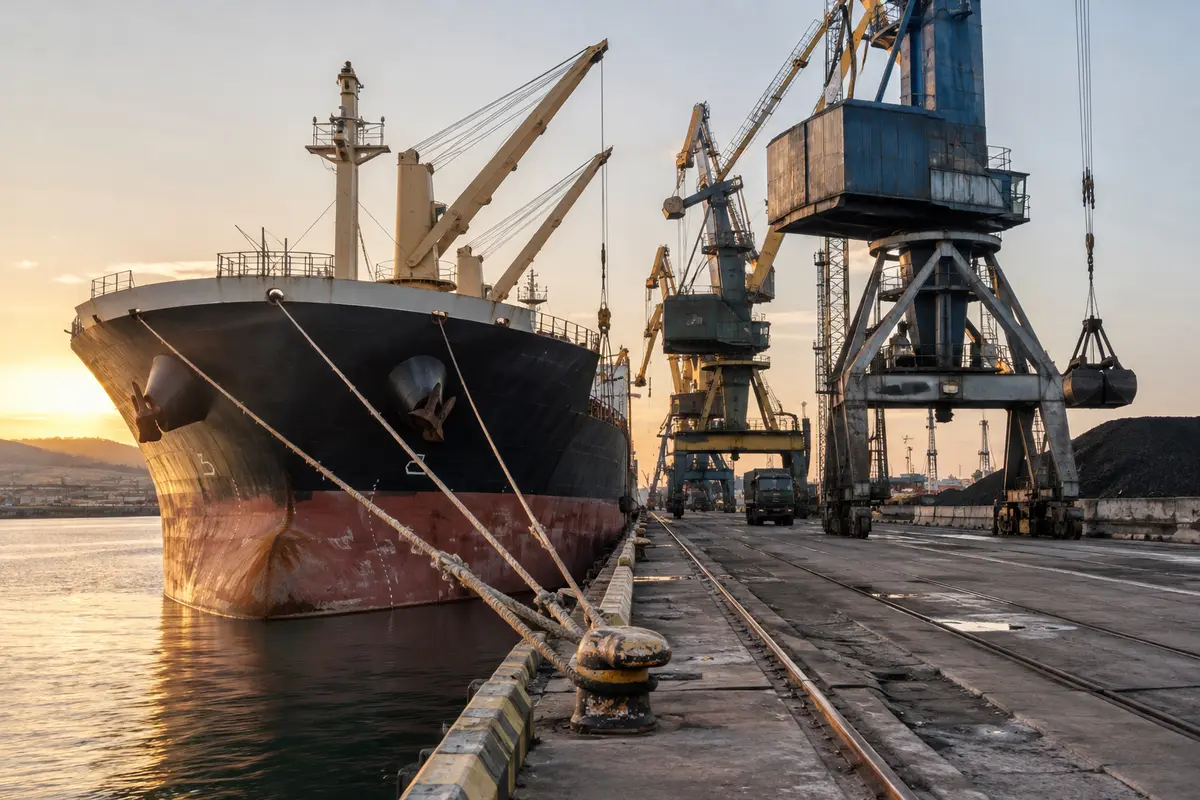
Rosatom expects the Northern Sea Route to carry more than 40 million tonnes in 2026, about 15% above the 37-million-tonne record of 2025, with readings of over 42 million tonnes and scenarios of 110–150 million tonnes by 2035 and up to 200 million by 2040; this analysis asks why today's record rests on cargo moving inside the route's waters and what the container-line feasibility study, the eastern and western hub ports and the nuclear icebreaker fleet would have to change for transit to become real.
Russia's fixed capital investment fell 2.3% in 2025, the first decline in five years, as business shifted from expanding capacity to maintaining it
A record 26% of China's listed firms are expected to report a net loss for 2025, a survey-based estimate reported by Semafor via Yahoo Finance on March 3, 2026, which traces the red ink to a prolonged real estate downturn that dragged consumption down with it. This analysis reads the record against three structural facts from the same report: Beijing's years of pledges to tackle flagging consumer spending have had little effect so far; private consumption remains below 40% of GDP versus 50–70% in the G7; and excessive competition — more than 100 EV manufacturers — has stoked deflation fears that experts at Eurasia Group expect to deepen into a deflationary spiral in 2026, with rising fears of consequences beyond China's borders, in the words quoted from The Wire China: "We should all hold our breath."
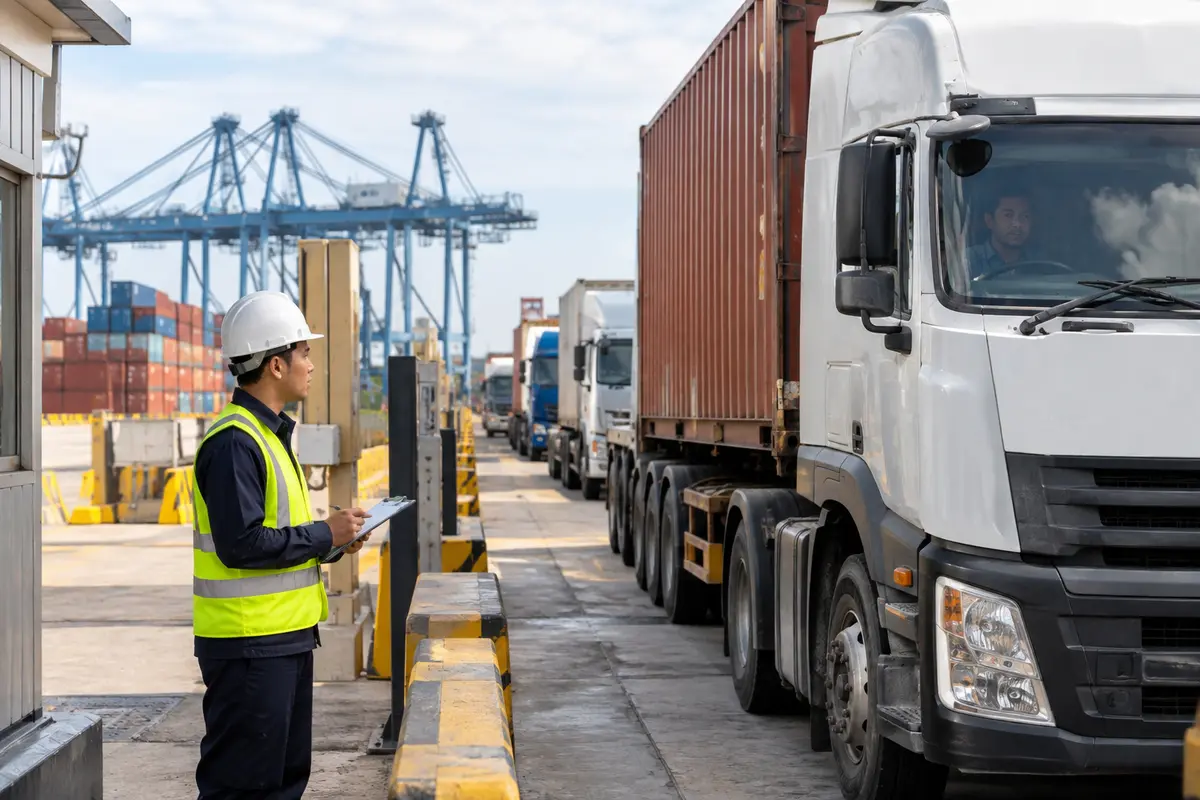
Russia's 20 mln t grain export quota took effect on February 15, 2026 for wheat, meslin, barley and corn outside the EAEU; most went to 213 companies
Malaysia's GDP grew 6.3% y-o-y in the fourth quarter of 2025; the full year reached 5.2%, above the 4.0%-4.8% forecast and the highest since 2022
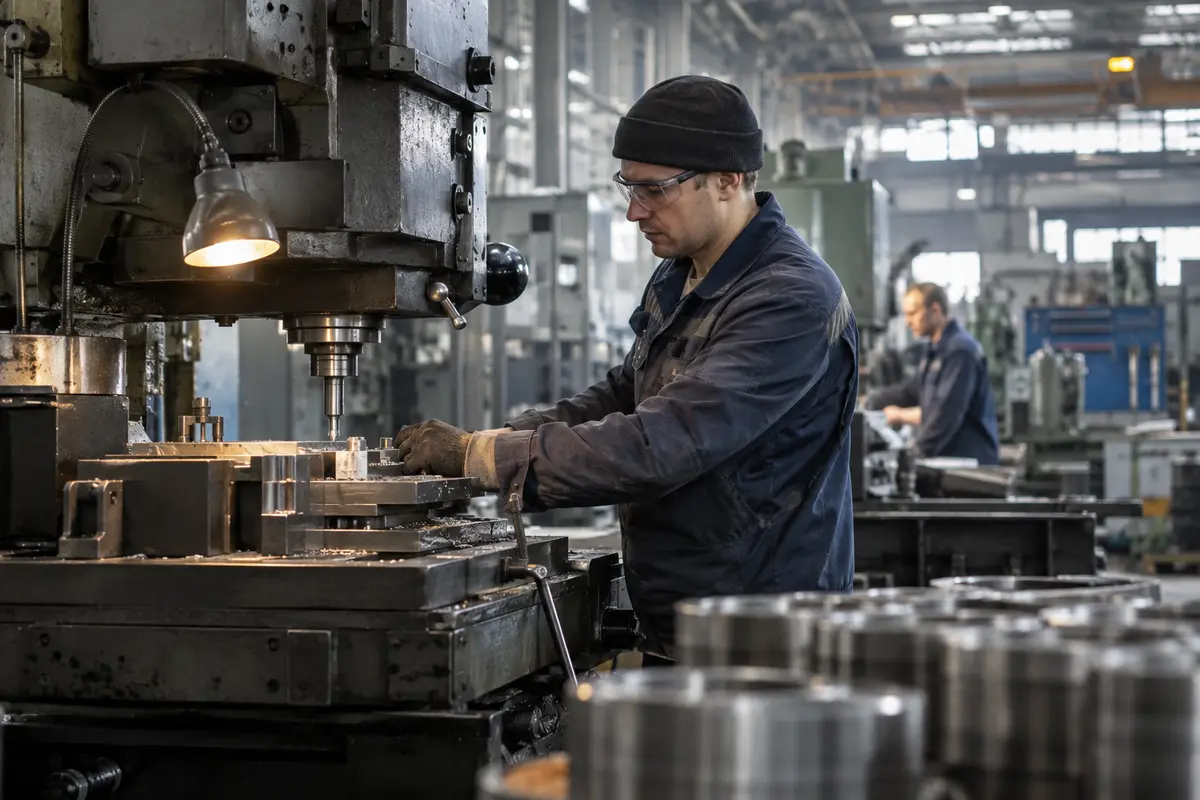
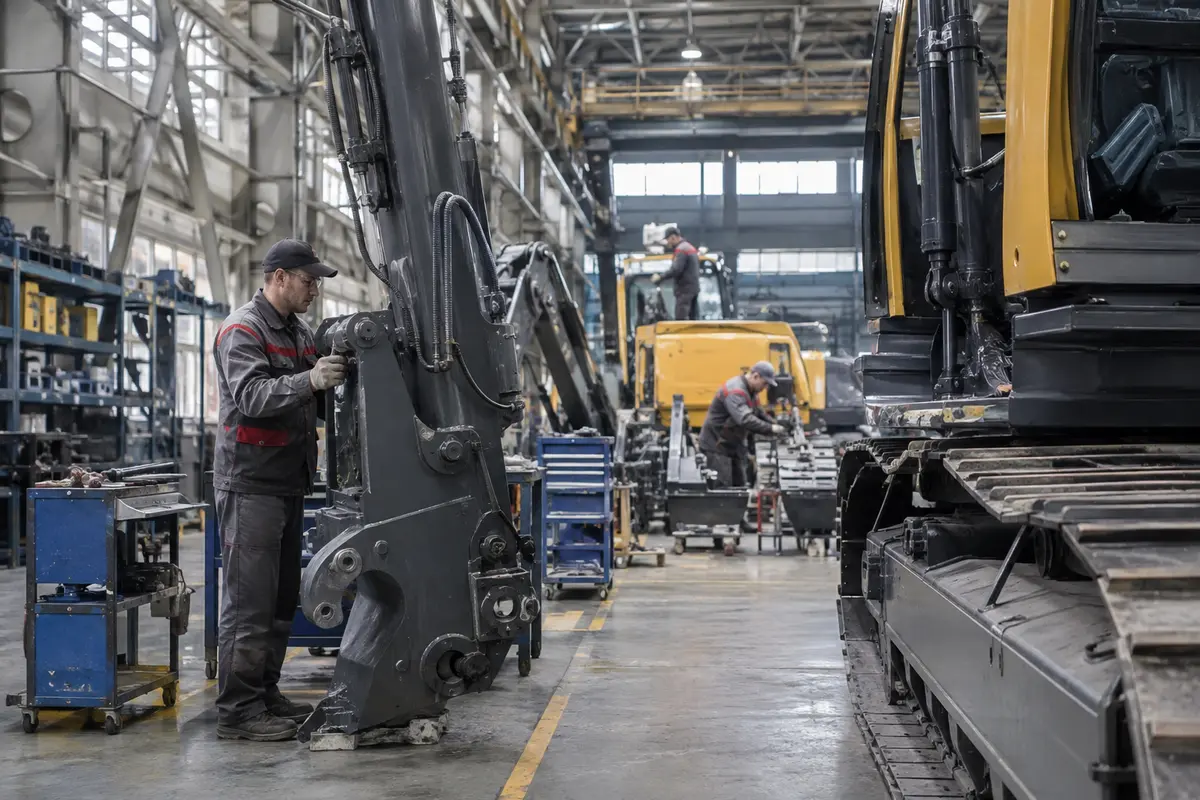
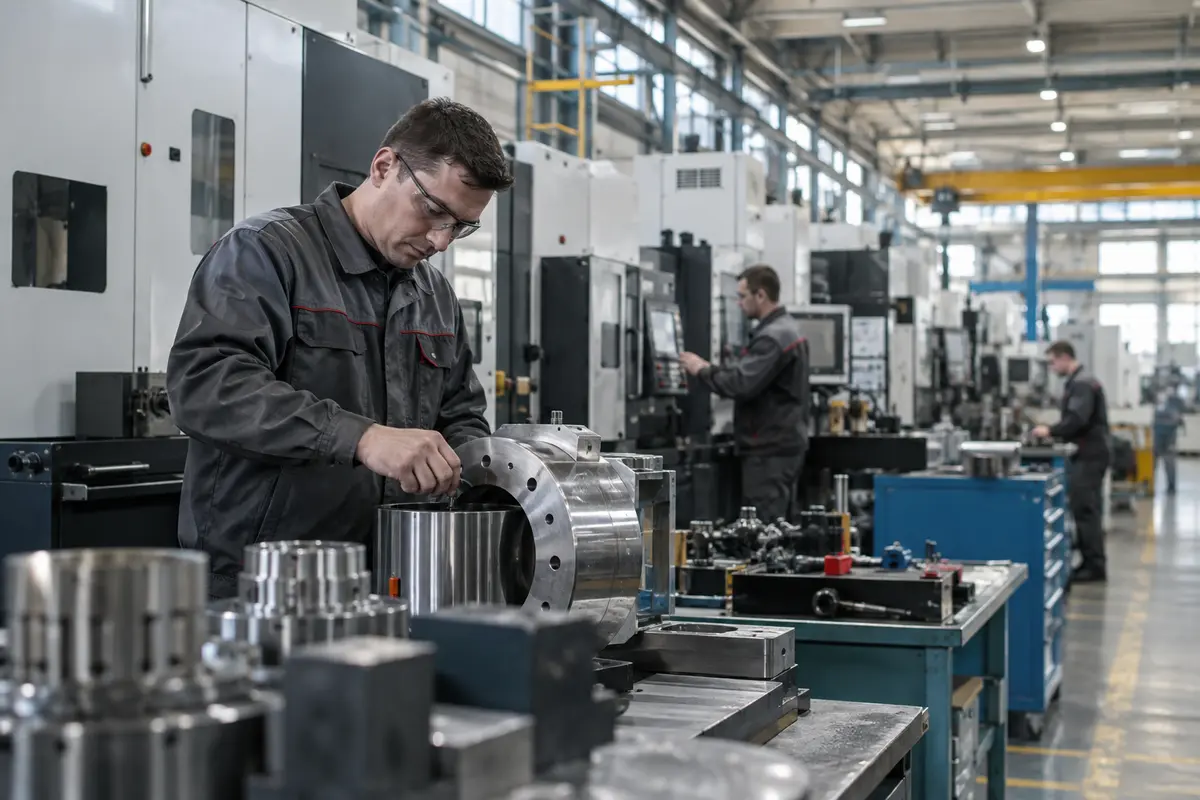
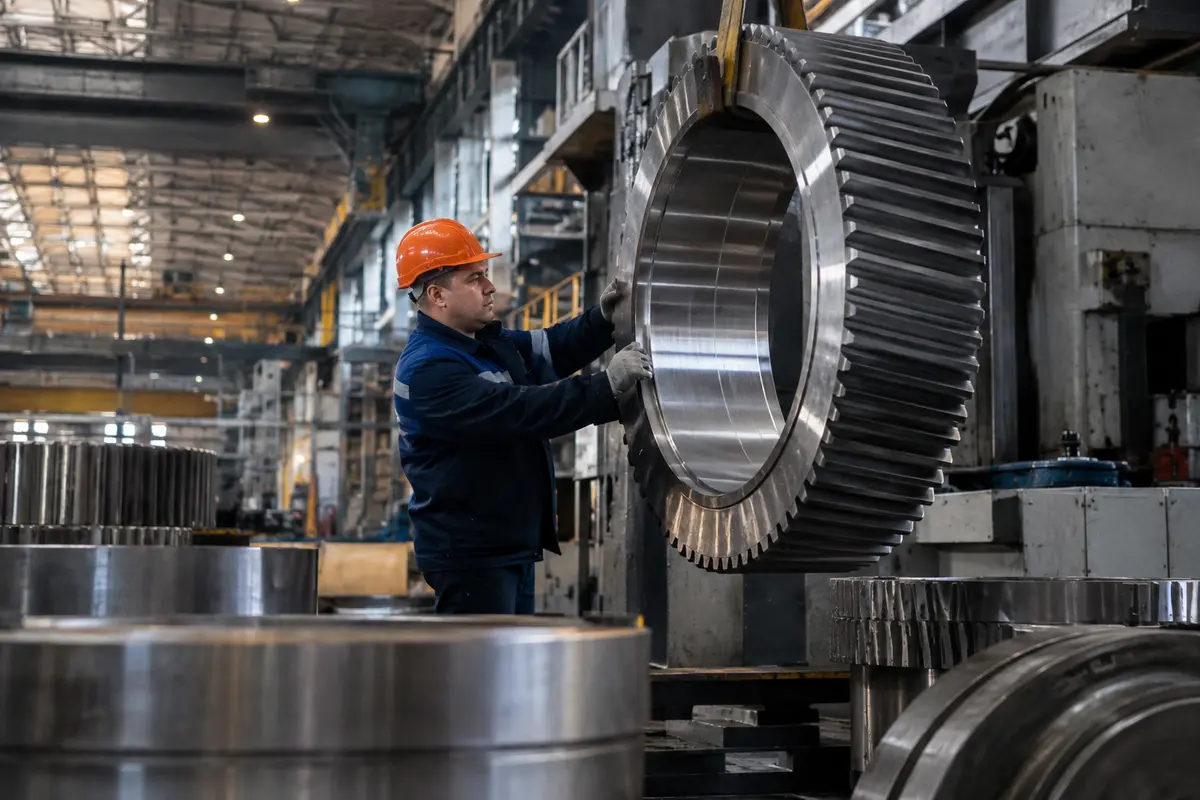
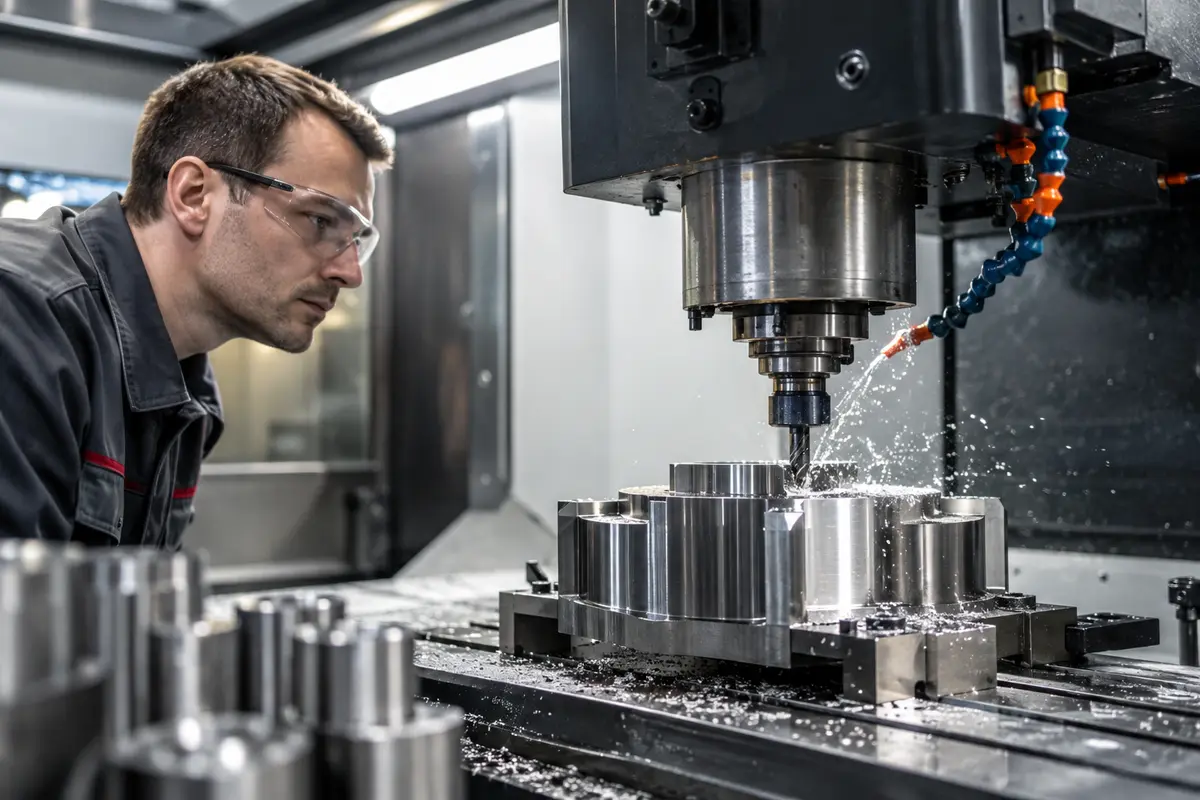
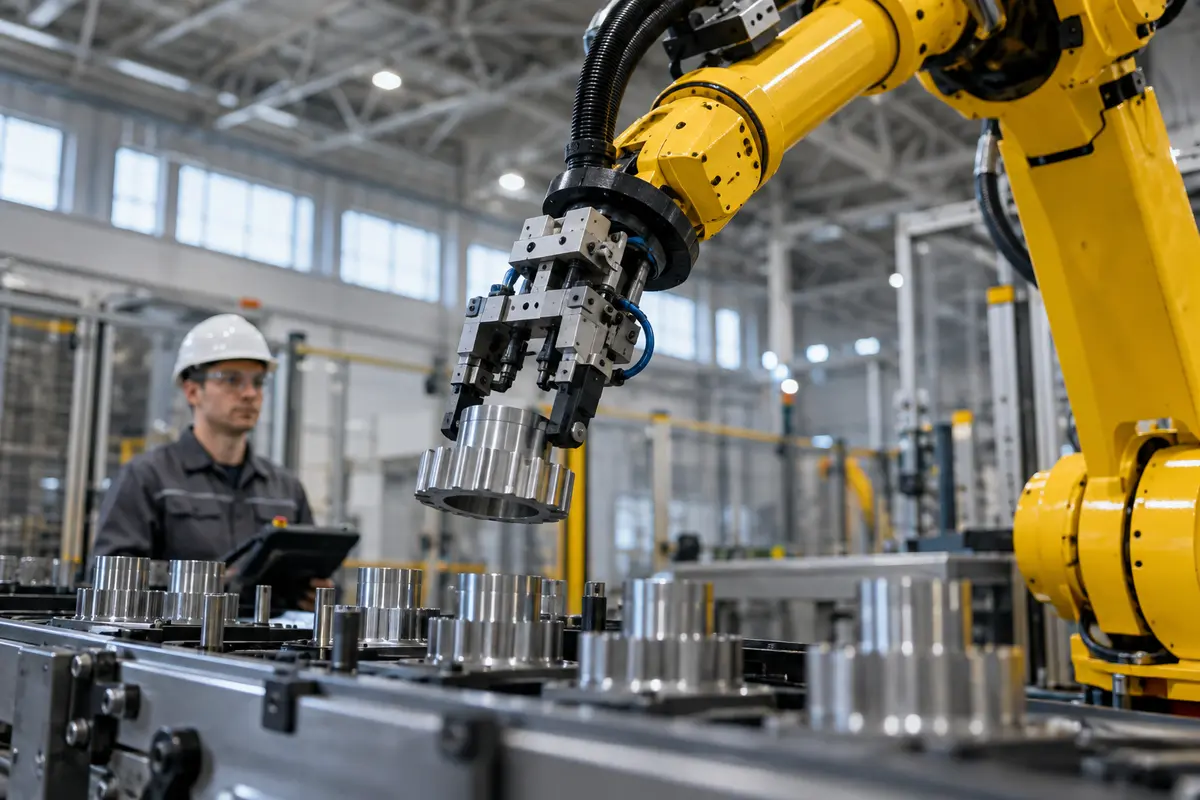
Russia's machine-tool output grew over 2.5-fold in four years; 2030 goals of a 60% domestic share and doubled output ride on a compensated-discount bridge
Rosstat reported November 2025 inflation in Russia at 0.42% after 0.50% in October; the annual rate slowed to 6.64% from 7.71%, below the 6.74% consensus
Consensus forecasts for 2026 look benign — less tariff uncertainty, global fiscal and monetary easing, lower oil — but a My Say column in The Edge Malaysia of December 8, 2025 argues they are over-optimistic because the downside risks take time to materialise; the column traces four 2025 dislocations (the twin trade shock of U.S. tariffs and the Chinese export surge to non-U.S. markets, a destabilising United States, feverish markets flagged by BIS warnings on private credit and crypto, and accelerating technological change) into 2026 scenarios of U.S. political turbulence, equity corrections, fading resilience via slower AI capex and the U.S. fiscal deficit, and trade-deal backlashes leading to Fed easing, faster innovation and re-allocated trade and capital, concluding that the strength of policymaking will distinguish winners from losers.
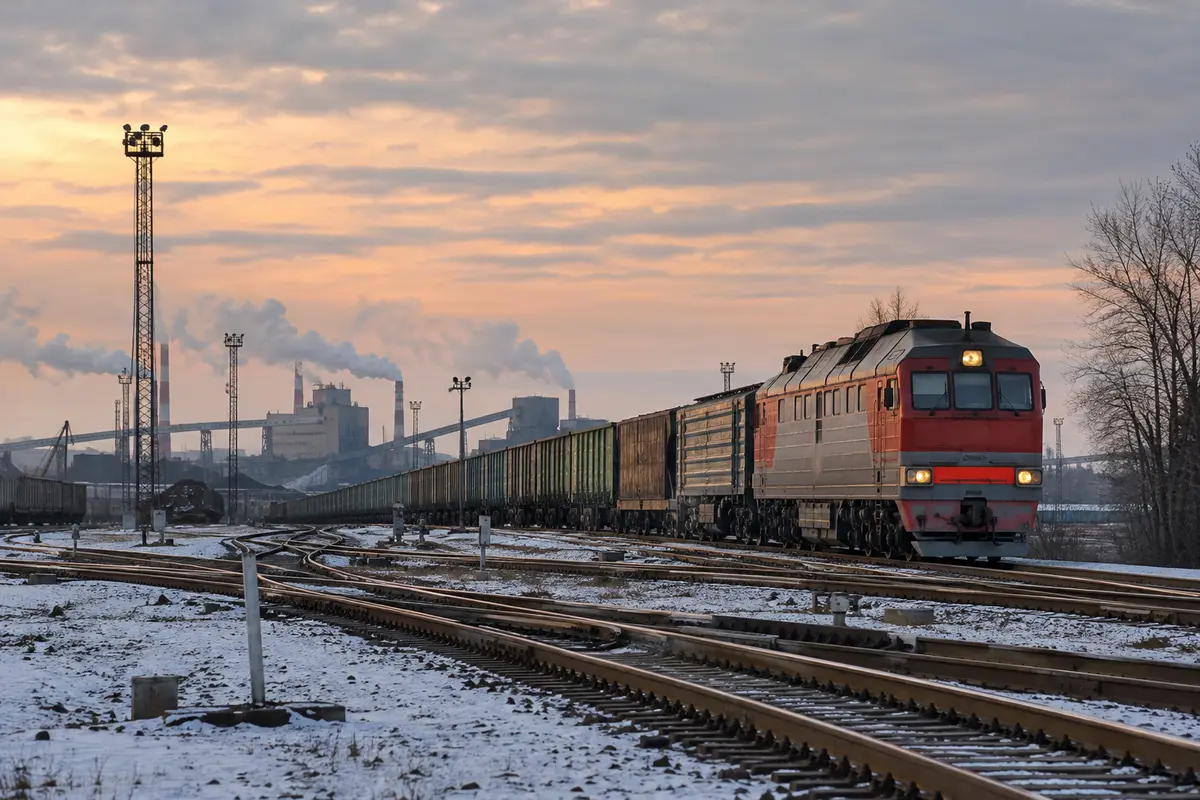
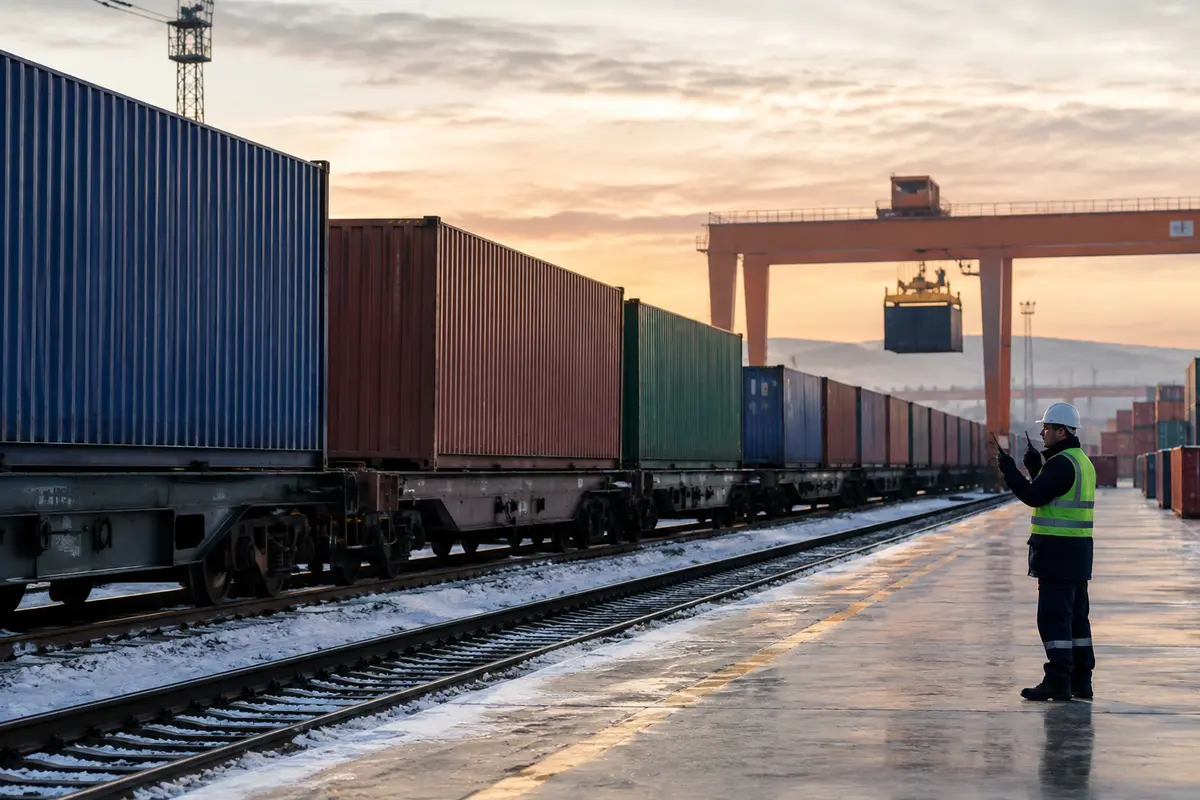
RZD network freight loading fell 1.5% y/y in November 2025 to 94.2 mln t and 5.6% y/y in Jan-Nov to 1.0213 bn t; cargo turnover eased 1.4% to 2,269.3 bn t-km
South Korea's October 2025 exports rose 3.6% to $59.57 bln — a fifth straight monthly gain; chips jumped 25.4% to an October-record $15.73 bln
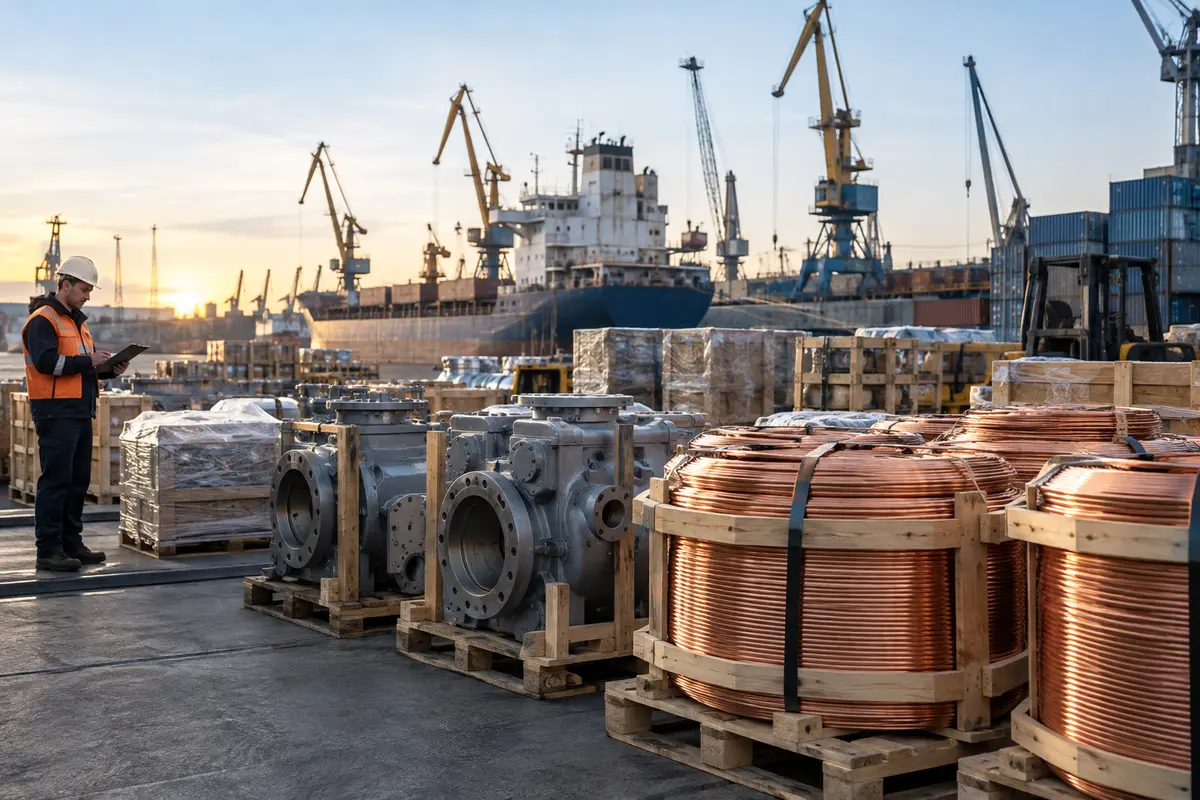
Russia's non-resource, non-energy exports rose 6% to $111.4 bln in 9M 2025: $85.4 bln industrial, $26 bln farm; copper +87% in 7M; 2025 target $149.2 bln
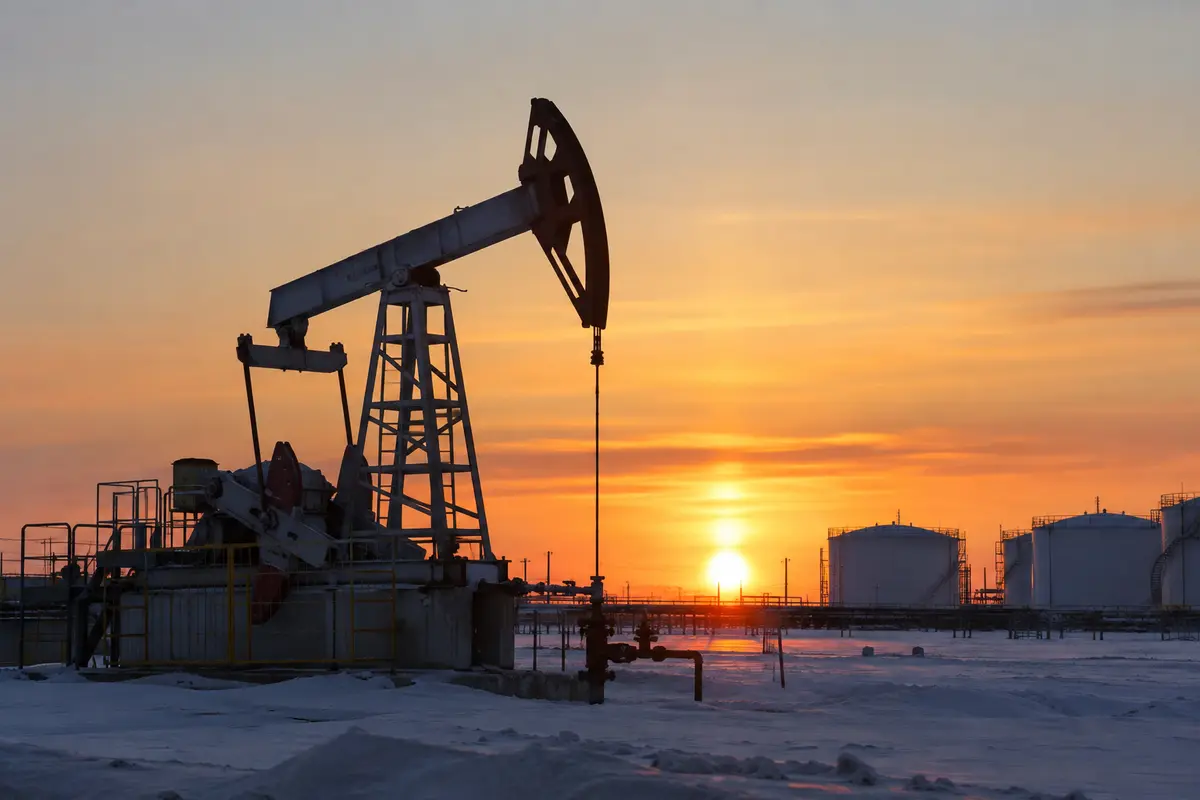
Russia produced 9.321 mln bpd in September 2025, 94,000 bpd under its OPEC+ quota, after 9.173 mln bpd in August; output may rise, compensation plan intact
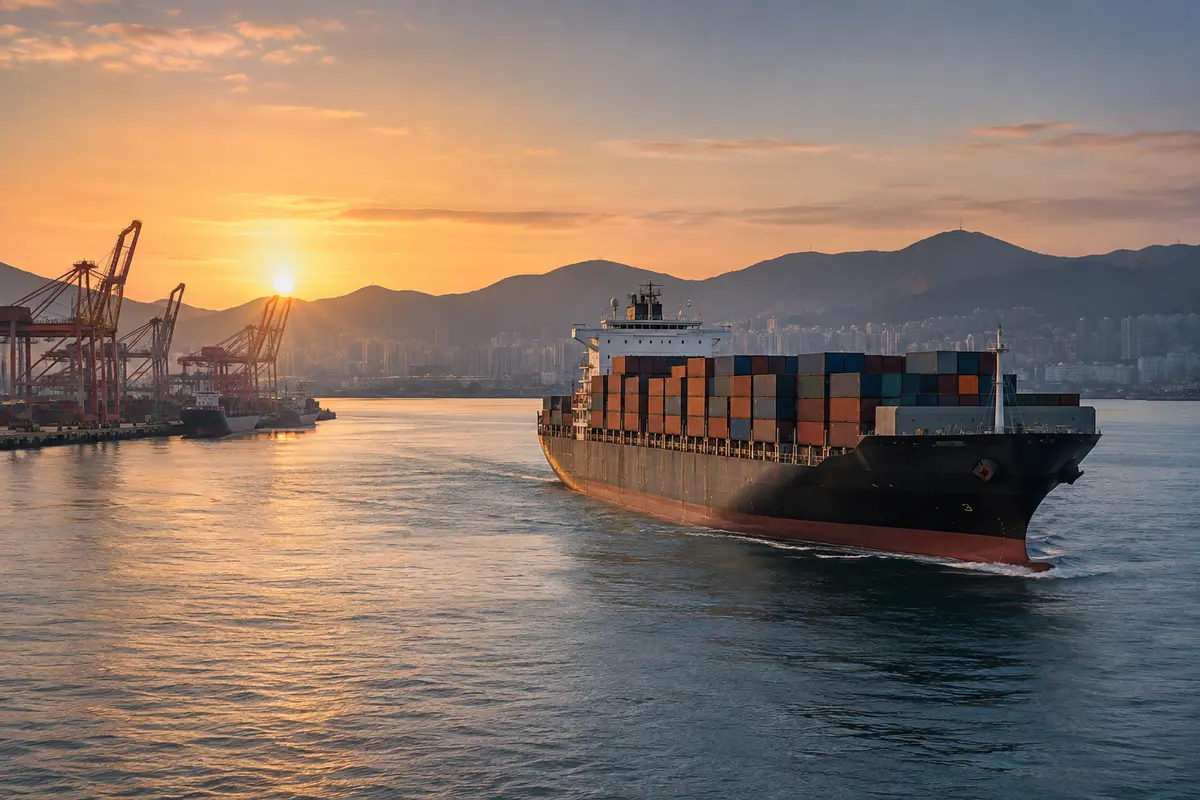
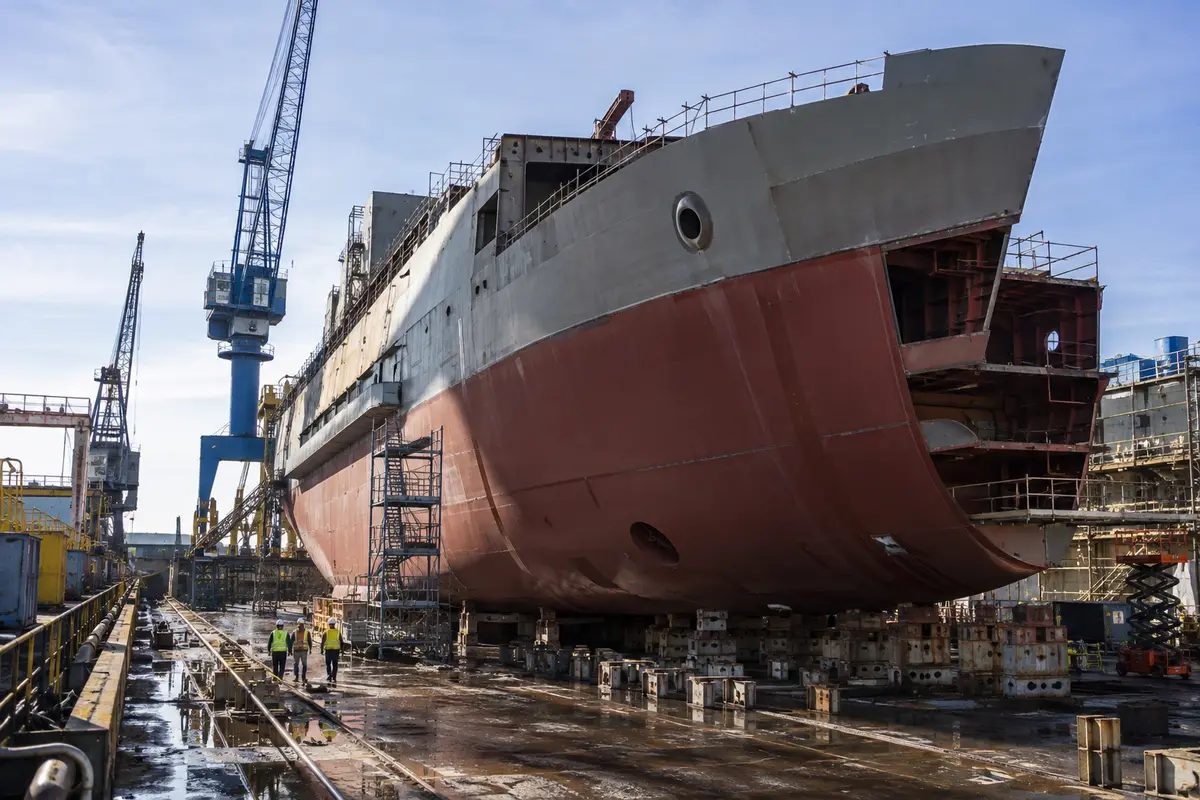
A day after his White House summit with Donald Trump, South Korean President Lee Jae Myung attended the christening of the NSMV State of Maine at Hanwha Philly Shipyard — the first US yard bought by a Korean company and the centerpiece of MASGA. This analysis unpacks the $5 billion modernization plan (two dry docks, three berths), the capacity ramp from 1.5 to 20 ships a year, and the three US Navy MRO contracts that form the quiet proof of concept, arguing that this pipeline, not headline diplomacy, will decide whether MASGA becomes a real industrial program.
Russia's 2024 capital investment grew 7.4% to 39.533 trillion rubles, fading quarterly from +14.8% to +4.9%; the ministry sees +1.7% in 2025 and a 2026 minus
Oksana Lut: Russia's preliminary 2024 grain harvest reached 128 mln t, the fifth-best result in history; final data were expected at around 130 mln t
Malaysia's electrical and electronics sector closed 2024 with Intel's US$7 billion (RM31.3 billion) advanced packaging commitment in Penang and Infineon's RM25 billion fab expansion on top of RM47 billion in approved investments for January–September — 53% of all manufacturing approvals — while E&E exports rose from RM134 billion in Q1 to RM156 billion in Q3, reaching RM491 billion in January–October (+1.5%), and the National Semiconductor Strategy's RM25 billion incentives met mixed reactions over Budget 2025 allocation details.
Vedomosti's year-end review of December 26, 2024 reads 2024 as a chain: unemployment at 2.3% in October 2024, wages up 18.0% over January–September 2024, real disposable incomes up 8.2% and consumer spending up 6.6% — a consumer boom born of the labour deficit, which the newspaper also names as the obstacle to the inflation target; this analysis traces the chain into the disinflation trajectory of 2025.
Friendly-country share 60.5% to 84%, volumes $194.2bn to $146.3bn: what destination concentration means for resilience and the 2030 two-thirds target math.
Russia's GDP grew an estimated 4.2% y-o-y in January-September 2024 per Rosstat; the quarterly pace slowed from 5.4% in Q1 to 3.1% in Q3
Malaysia's GDP grew 5.3% y-o-y in 3Q2024 (2Q2024: 5.9%) on strong investment and exports; the full year stays on course for the official 4.8%-5.3% range
Russia's Jan–Sep 2024 trade surplus rose 11.6% to $114.9 bln as imports fell 4.9% to $203.3 bln while exports edged up 0.4% to $318.2 bln, FCS data show
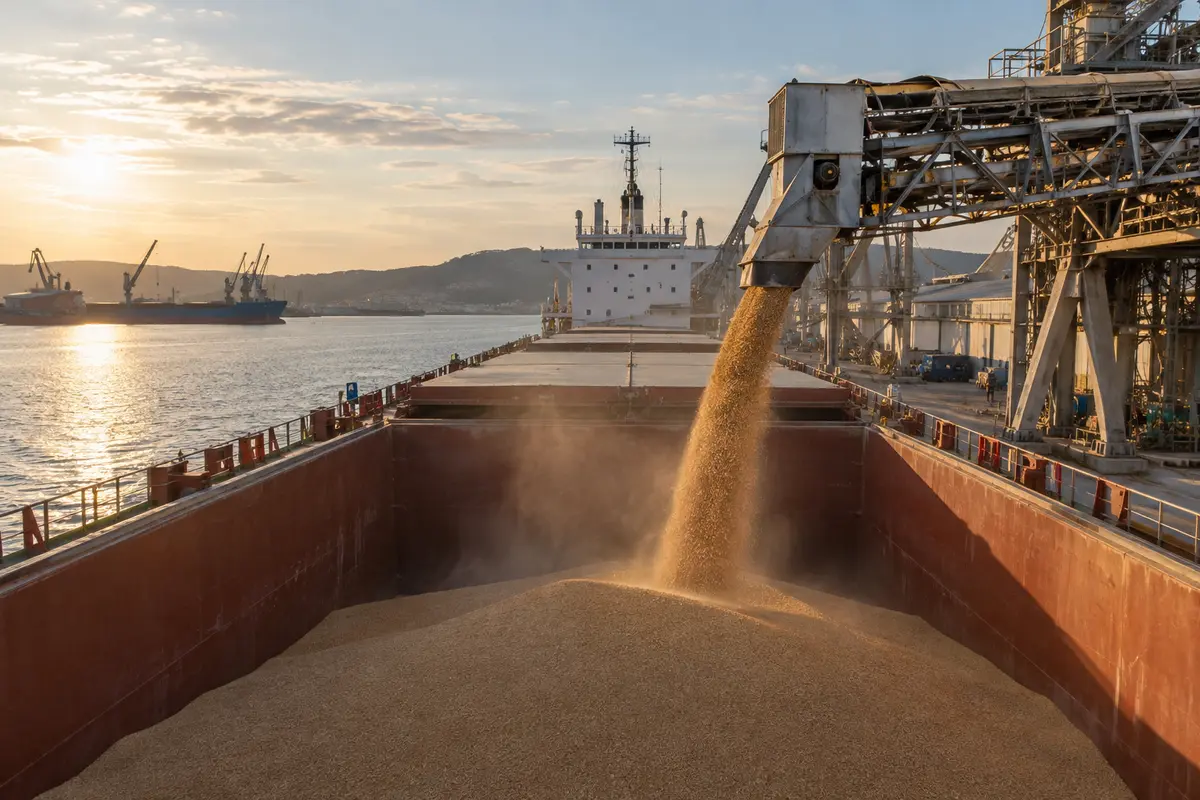
Russia's 2024 grain harvest is forecast at 130 million tonnes against 147.9 million in 2023; this analysis traces how the 10–18-million-tonne shortfall redistributes the world balance, why the domestic ruble price signal diverges from FOB and Chicago, and what record October exports, stocks down 14.5% and the smallest winter sowing since 2013 mean for 2025.
South Korea's October 2024 exports rose 4.6% to $57.5 bln, a 13th straight monthly gain; chips jumped 40.3% to an October-record $12.5 bln on AI server demand
June 2024 exports grew 1.7% to RM126.05 bn, missing consensus; RHB, UOB and MIDF see a base-effect wobble inside the E&E upcycle, with imports leading
Russia produced 18.6 thousand machine tools in January–April 2024, up 21.5% year on year across 43 product types, an ISIEZ HSE report shows
Russia's June 2024 OPEC+ target is 8.979 mln bpd, equal to Saudi Arabia's quota; April overproduction of 192,000 bpd implies ~87,000 bpd compensation
Malaysia is the sixth-largest exporter of electronics and semiconductors with 7% of global semiconductor trade flows and 13% of back-end operations, yet 97.6% of its RM262.7 bn E&E investment of 2021-2023 was foreign; the National Semiconductor Strategy with RM25 bn incentives and a 60,000-engineer target answers a five-to-eight-year window and Penang's land, water and talent limits.
Putin's 2030 targets — non-resource exports +2/3, imports ≤17% of GDP, manufacturing GVA +40%, investment +70% — tested as one self-constraining system.
Russia's 24 mln t grain export quota took effect on February 15, 2024 outside the EAEU; primary part went to 261 companies, a 4 mln t addition proposed
 Parkent’s Chashma Village: Folk Traditions Near Tashkent
 Uzbek Food and Cultural Traditions: From London’s Festival to Regional Tables
 Nilu and Sangardak: Village Tourism in Surkhandarya
 Imam al-Bukhari’s Heritage and Samarkand’s Pilgrimage Landscape
 Khiva’s Walled City: Architecture, Palaces and Living Traditions
 One Day in Kasri Orifon: Bukhara’s Pilgrimage Village
 Uzbekistan's Tourism Expansion: Heritage Cities, Living Crafts and Regional Routes
 Bukhara’s Biennale: Contemporary Art in Historic Spaces
 Tashkent’s Museums, Mahallas and New Cultural Spaces
 Rishtan’s Craft Neighbourhood and the Fergana Valley
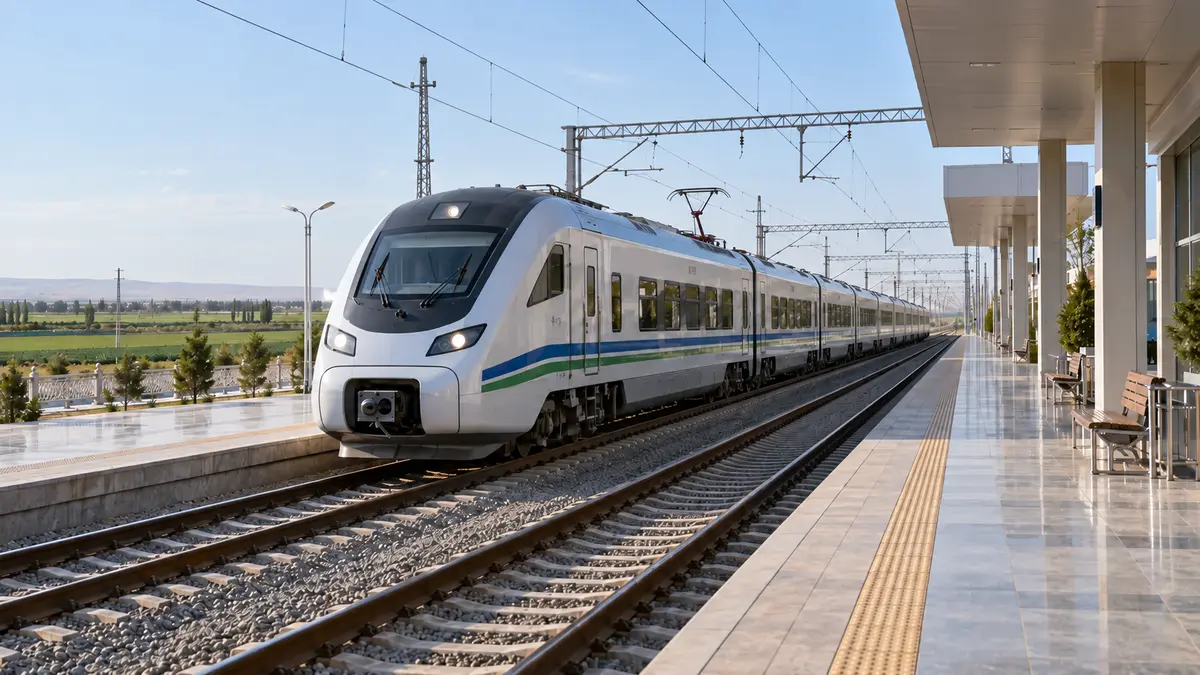 Uzbekistan’s Western Rail Corridor and the Journey to Khiva
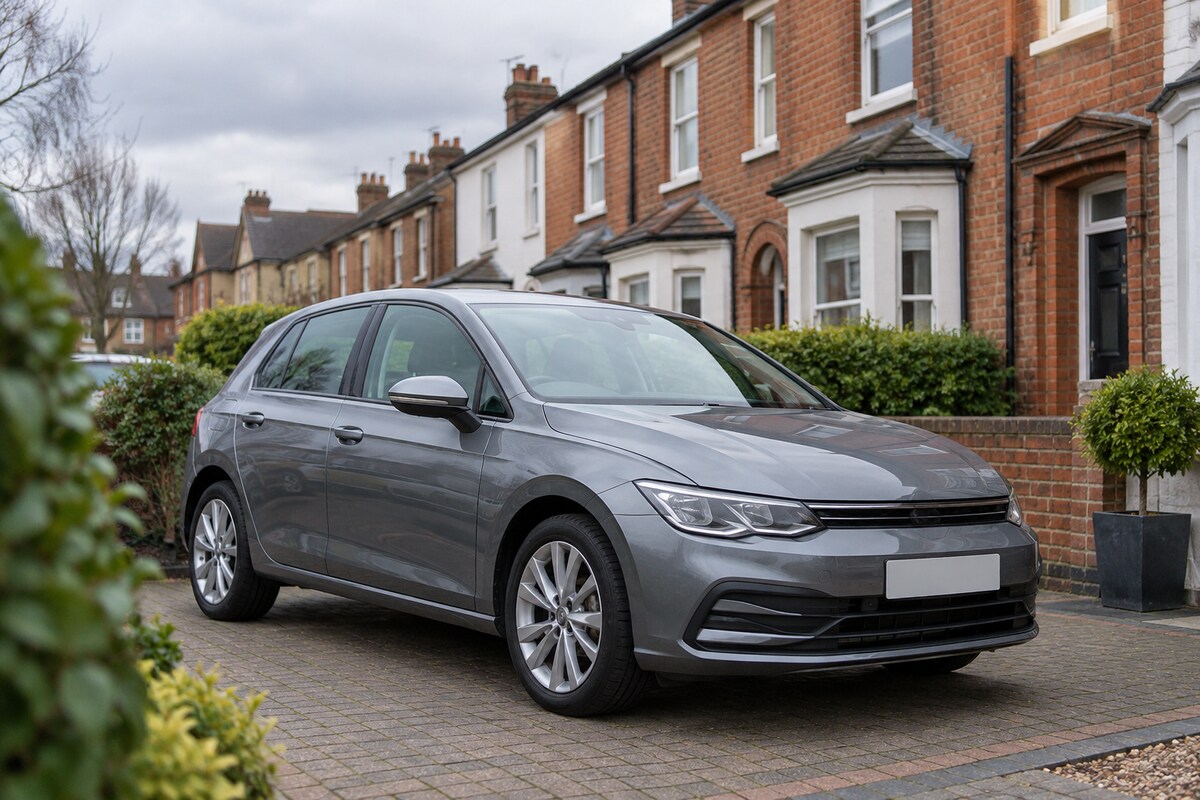 Ageas agrees Esure acquisition to widen UK insurance distribution
 Ancient Fortresses and Museums of Western Uzbekistan
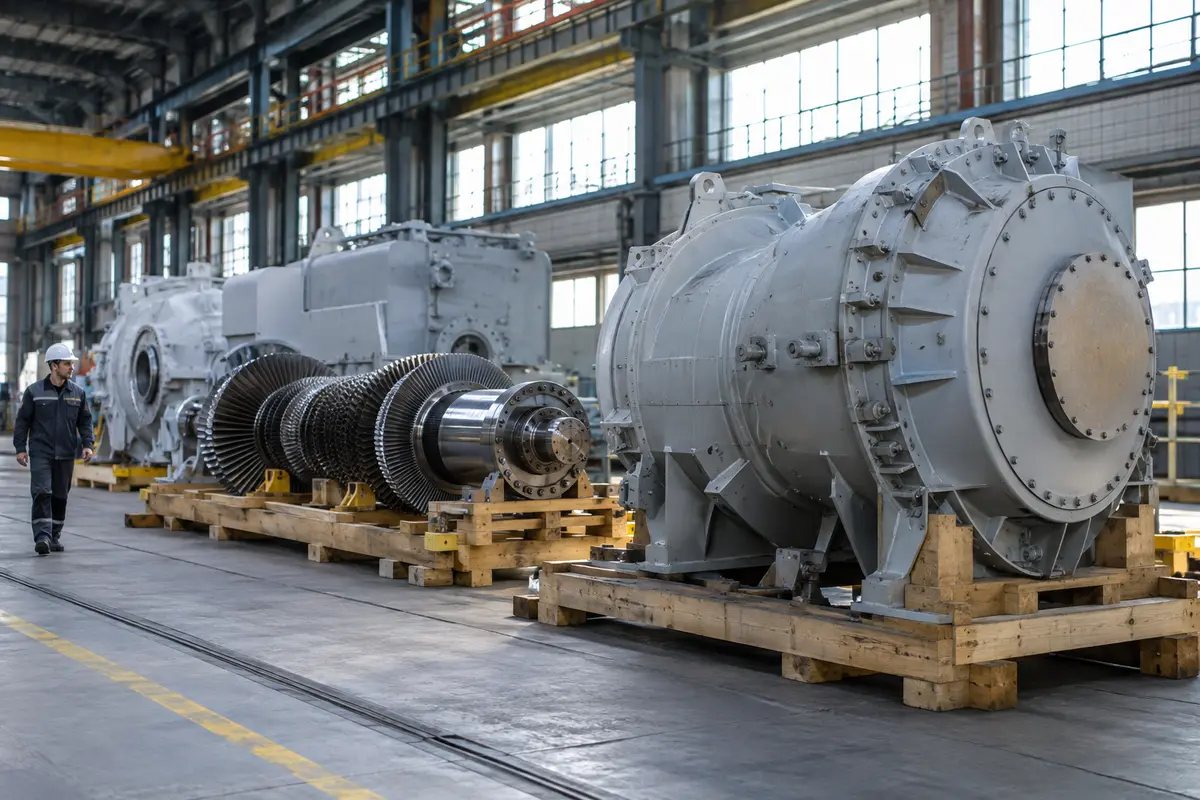
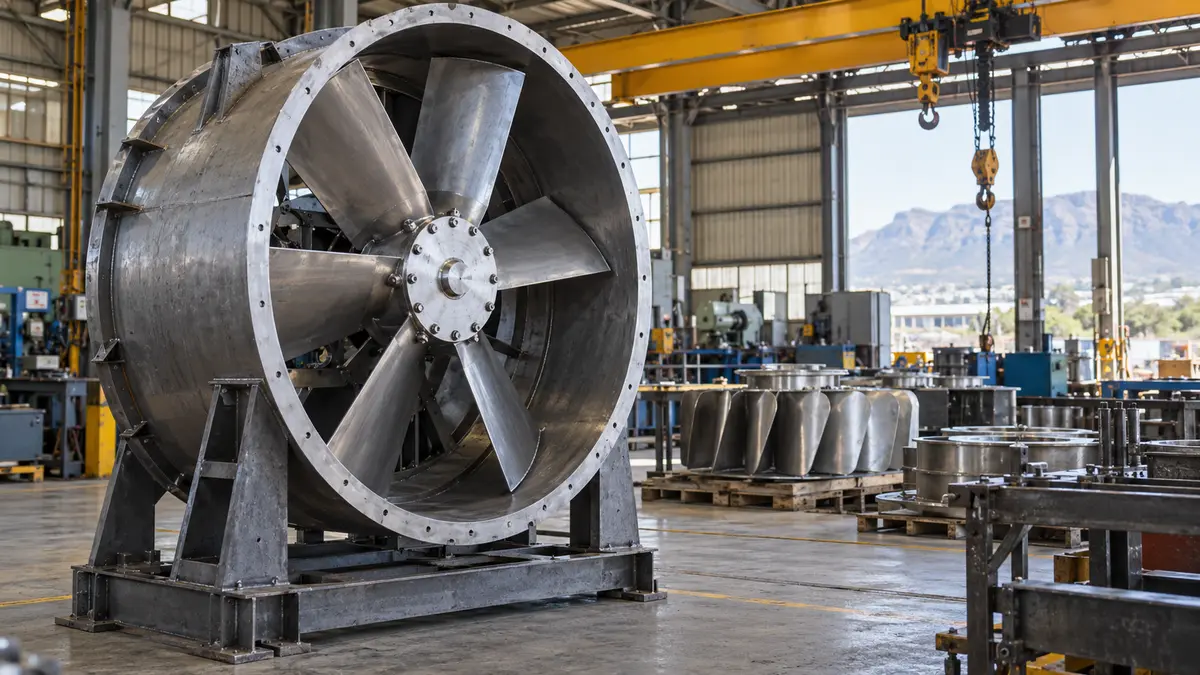 LH Marthinusen opens R32 million Germiston fan factory