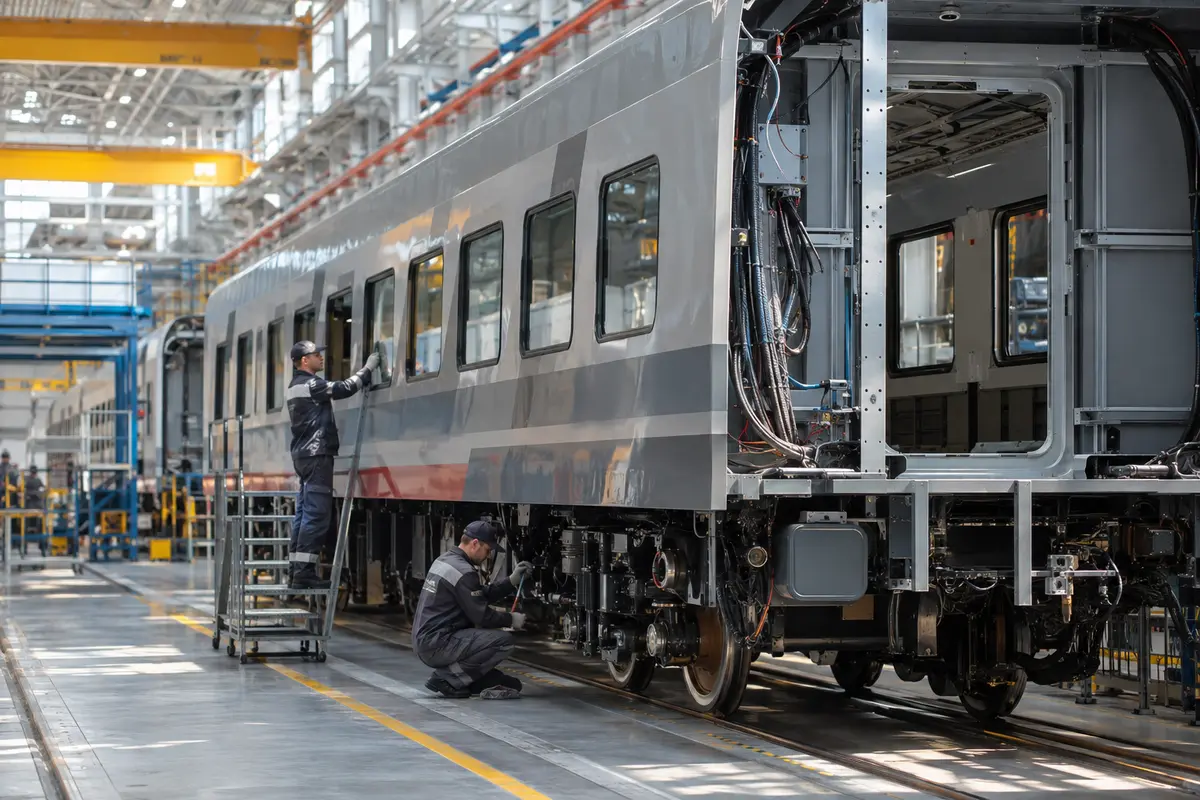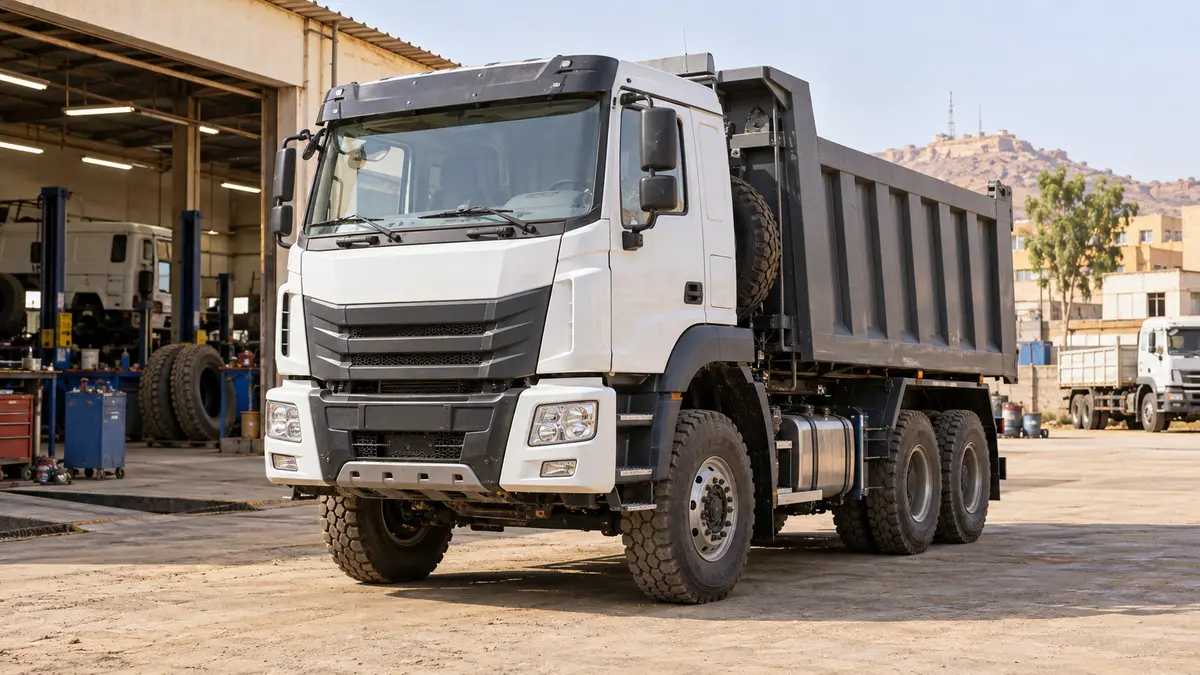
Kamaz’s Mali agreement
Trucks, workshops and the manufacturer’s production history.
Trucks, workshops and the manufacturer’s production history.
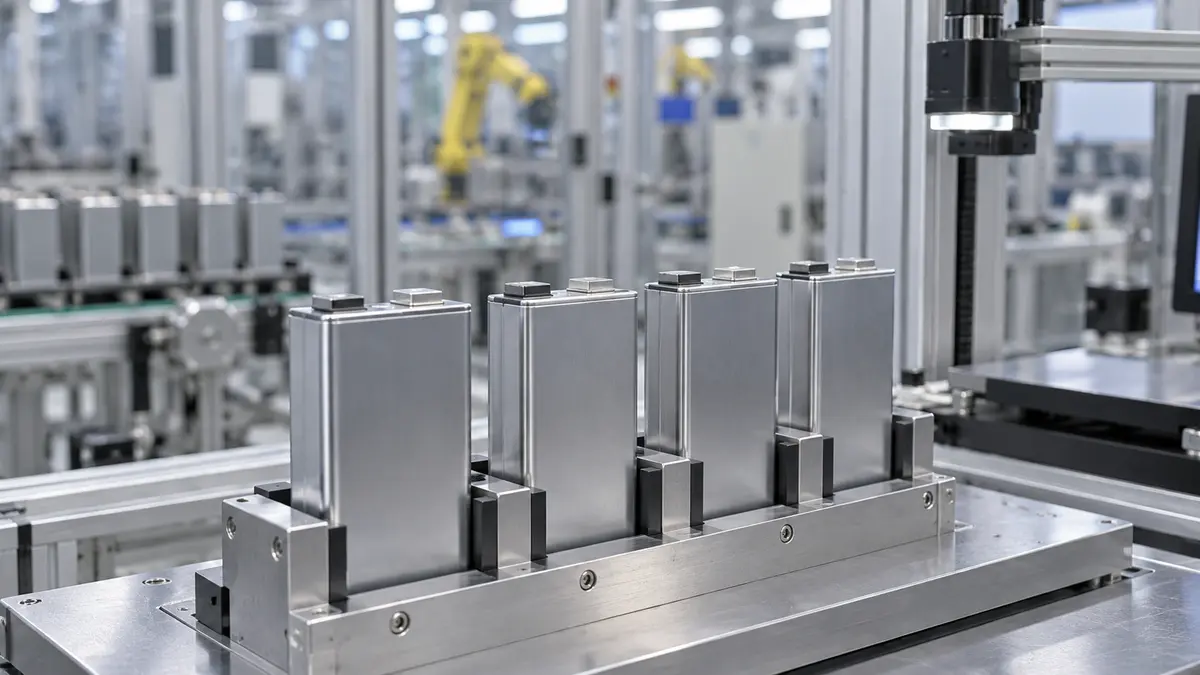
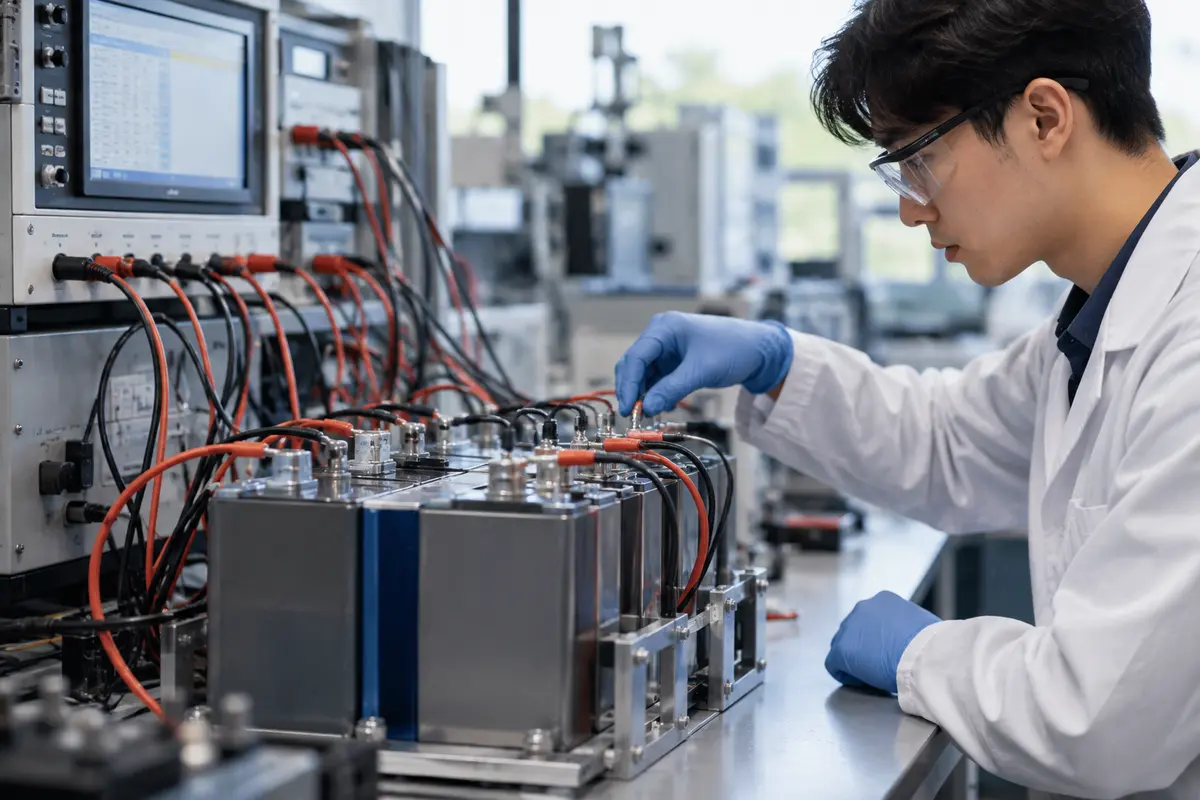
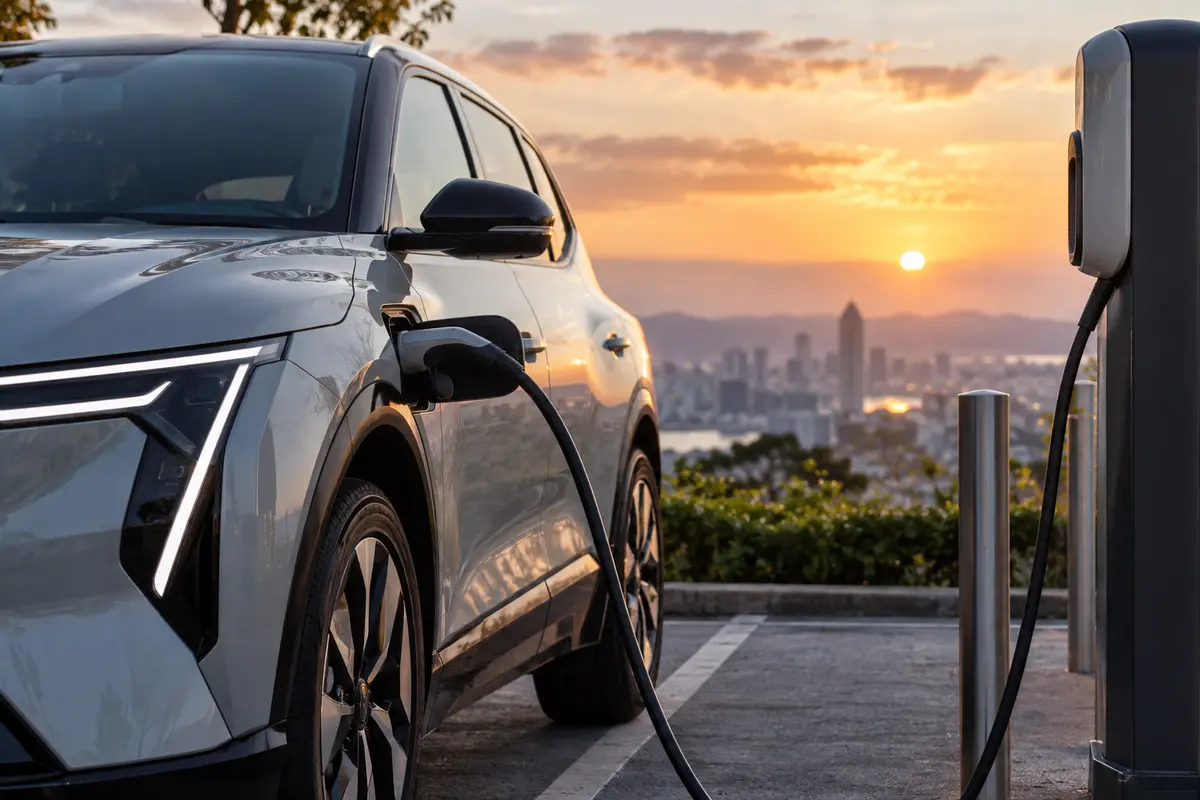
Ultium Cells plans LMR retooling in Spring Hill
OFAC extended until October 22, 2026 the license for talks on the sale of Lukoil's foreign assets; transactions require separate approval
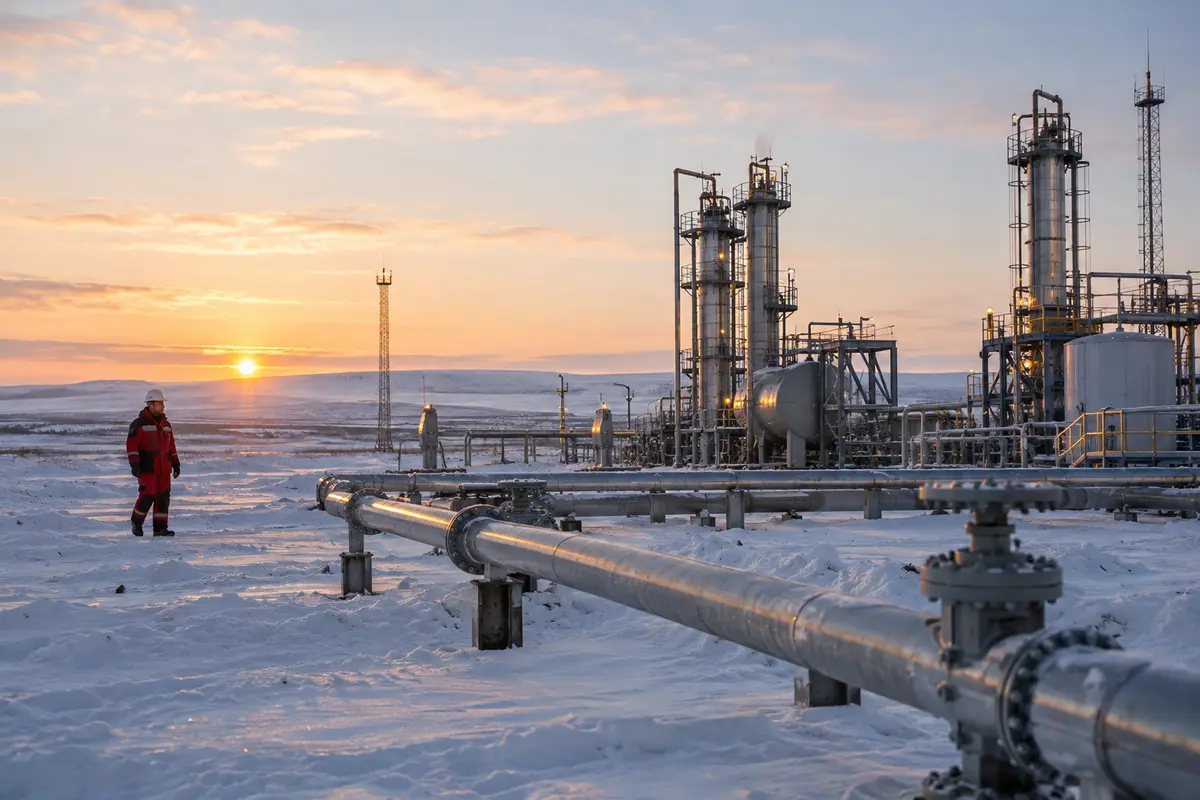
Lukoil began industrial development of the Komandirshorskaya fields in the Nenets Autonomous District after commissioning the Komandirshor OPU (800,000+ t/yr)
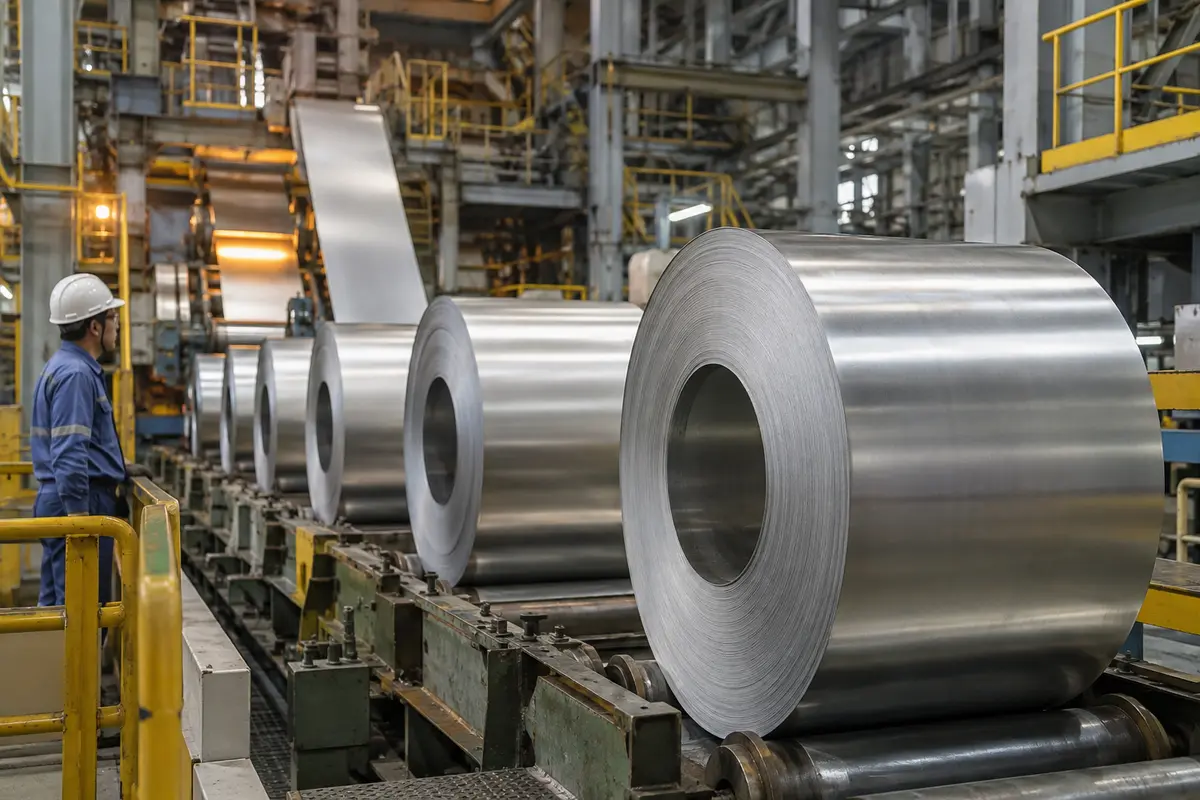
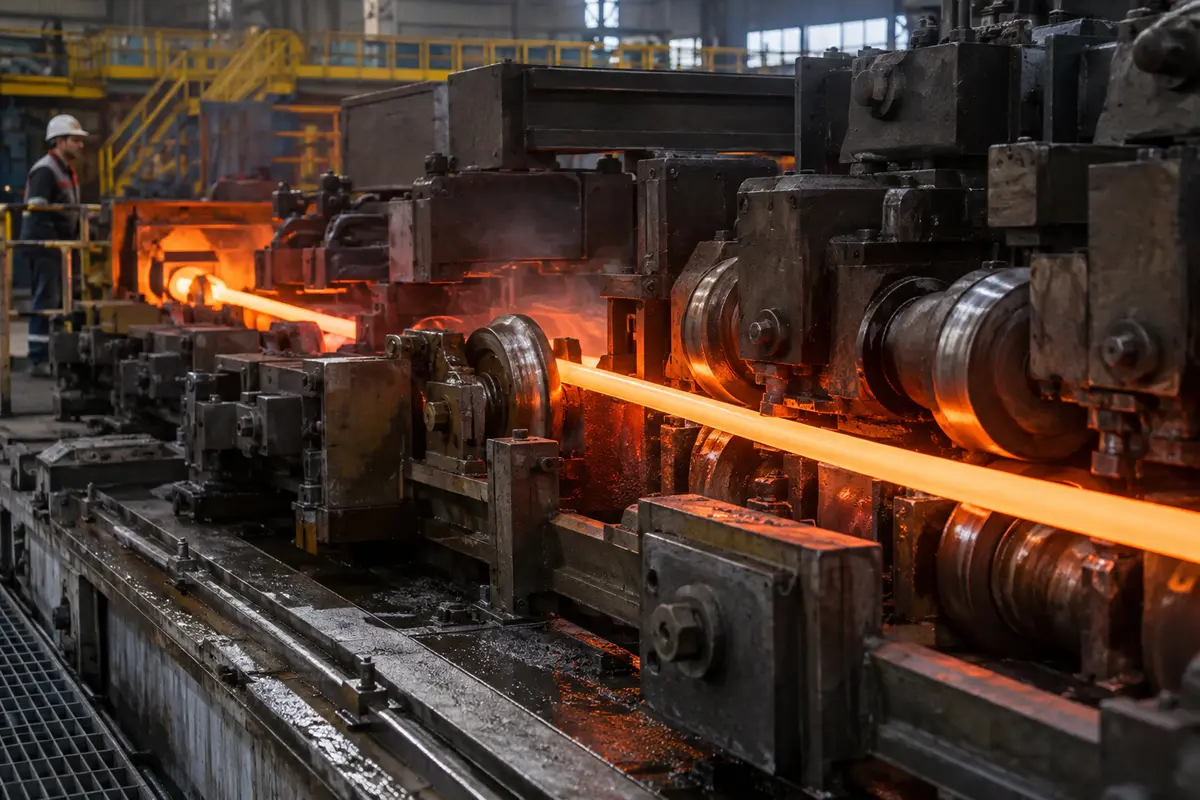
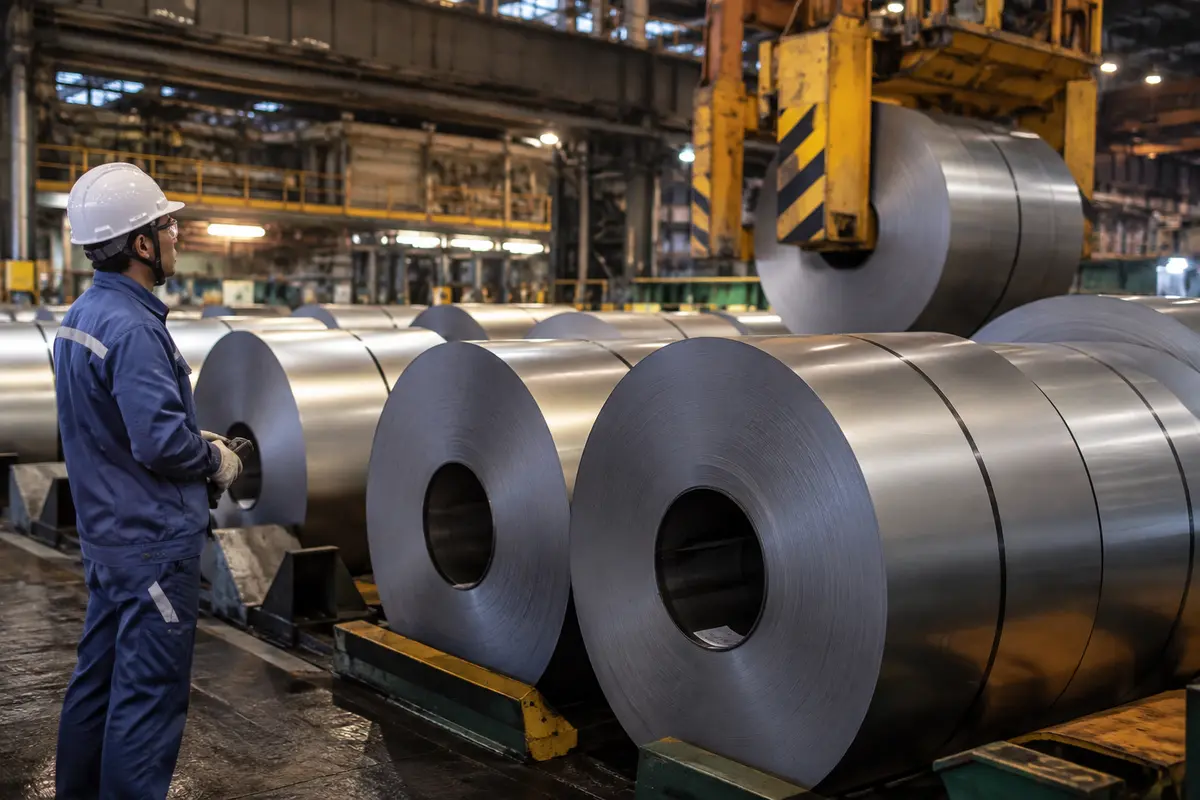
POSCO has broken ground on the No. 8 Continuous Galvanizing Line (8CGL) at Gwangyang Works, a 480 billion won (about US$357-359 million) project that will add 450,000 tonnes per year of hot-dip galvanized automotive outer-panel steel from 2028.
Samsung SDI sells 13.09 mln Samsung Display shares at 340,000 won for 4.45 trln won ($3.22 bn); stake falls 15.2% to 10.2%, proceeds fund growth engines
Kia Corp. of South Korea reported Q2 2026 net profit of 2.32 trillion won (about US$1.6 billion), up 2.6% from 2.26 trillion won and in line with the 2.31 trillion won analyst average, while sales grew 12.6% to 33.03 trillion won and operating profit fell 4.9% to 2.62 trillion won from 2.76 trillion won; the company cited U.S. tariffs, incentives and competitive pricing against Chinese EV brands at home and in Western Europe, Middle East tensions and a weaker won lifting won-denominated after-sales provisions.
Hyundai Motor Company reported first-half 2026 operating profit of 5.36 trillion won, down 25.8% year on year, net profit of 5.47 trillion won, down 17.5%, and sales of 95.15 trillion won, up 2.7%; second-quarter net income of 2.88 trillion won, down 11.2%, beat the market consensus of 2.59 trillion won, with the company citing higher raw material costs and production losses from a fire at a major parts supplier, after a first quarter in which operating profit fell 30.8% on US tariffs, while the 2026 operating margin target remains 6.3%-7.3%.
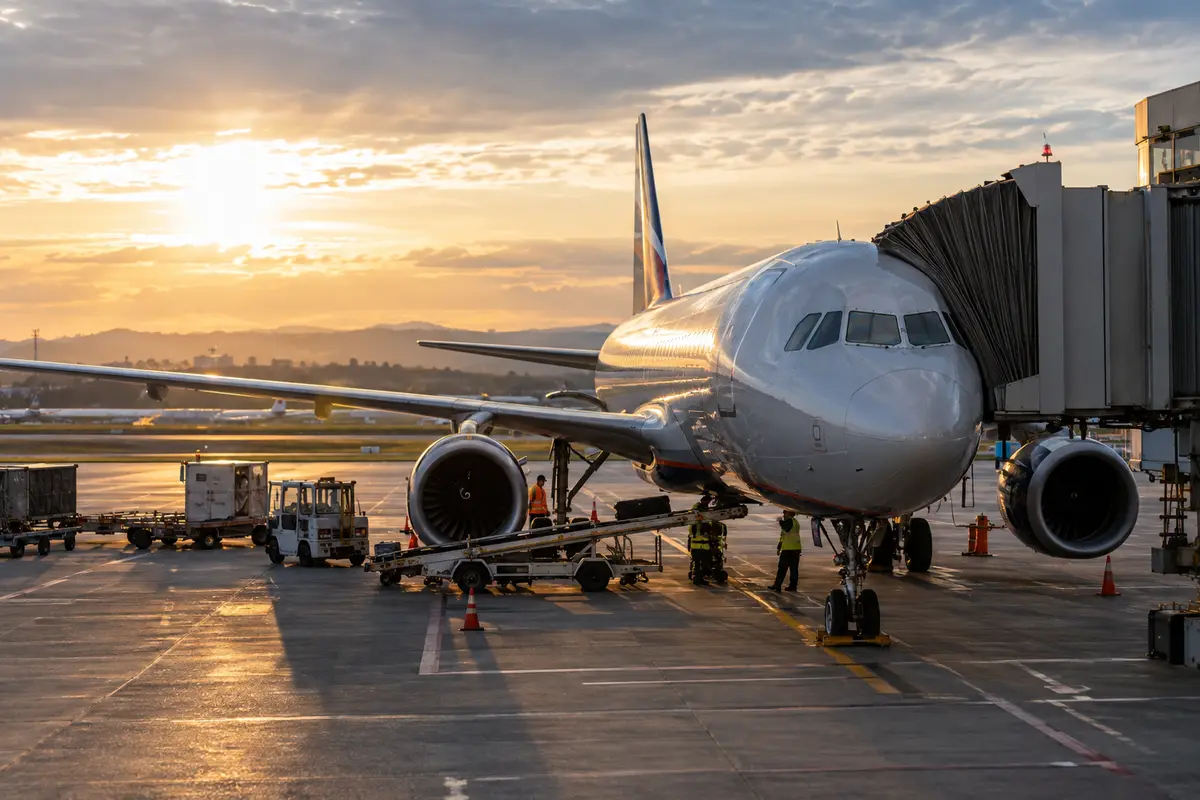
Aeroflot Group carried 26 million passengers in the first half of 2026, up 0.3% year on year: domestic traffic declined 2.9% to 19.1 million while international routes grew 10.3% to 6.9 million; passenger turnover rose 5.1% against a 3.1% capacity increase, with seat occupancy up 1.7 percentage points to 90.9%. June traffic fell 4.3% to 5.1 million amid temporary flight restrictions in the "Kover" regime and capacity redeployment from short to long routes; the Aeroflot airline itself carried 2.6 million in June (down 4.8%). For 2026 the group plans at least the 2025 level of 55.3 million passengers and a positive financial result.
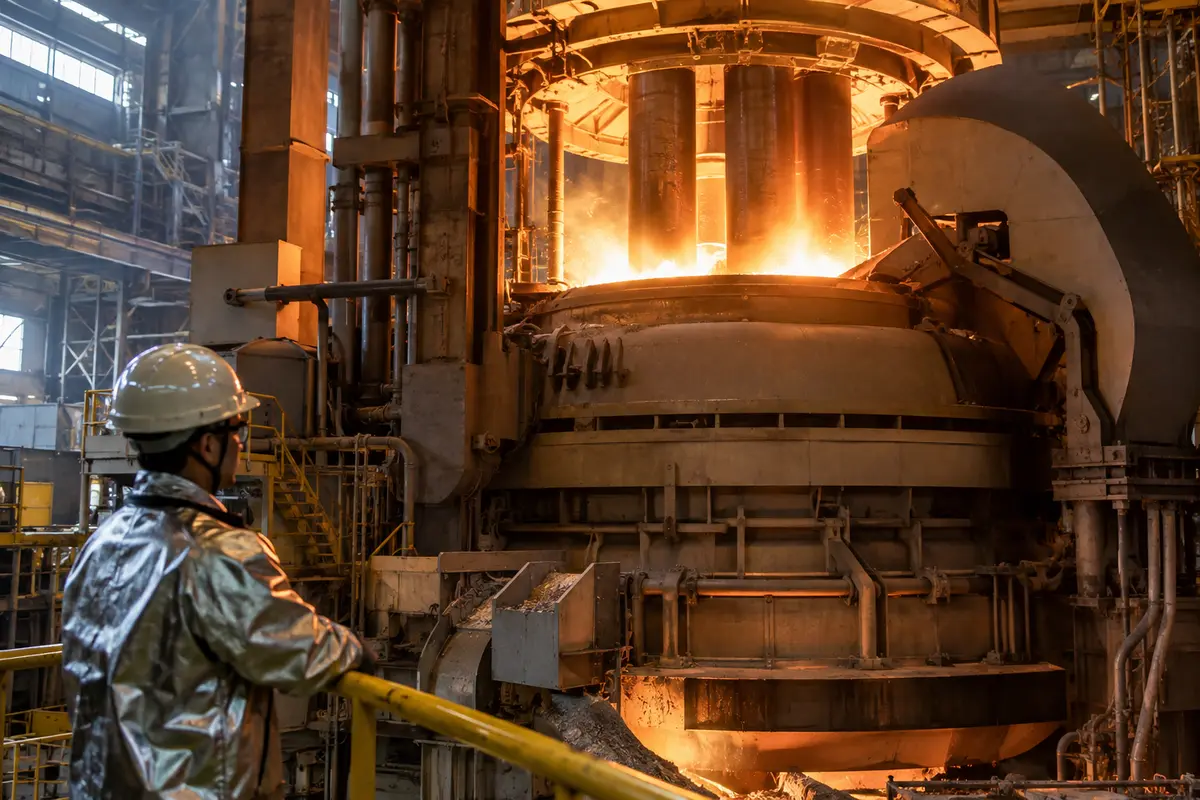
POSCO has completed South Korea's largest electric arc furnace at its Gwangyang steelworks — a 2.5-million-tonne-per-year facility built over more than two years with an investment of about 600 billion won (US$396.7 million). Scrap recycling in the furnace can cut carbon emissions by up to 75% versus blast furnaces, and hybrid steelmaking (molten iron plus EAF) targets mass production of automotive and electrical steel by 2030.
POSCO Future M, the battery materials unit of POSCO Holdings Inc., has received approval from Vietnamese authorities to build an artificial graphite anode material plant — its first overseas production base for the battery component. The first-phase facility at an industrial complex in Thai Nguyen will require 357 billion won (US$241 million), with construction starting later in April 2026 and production targeted from 2028; additional investments are possible depending on future order volumes.
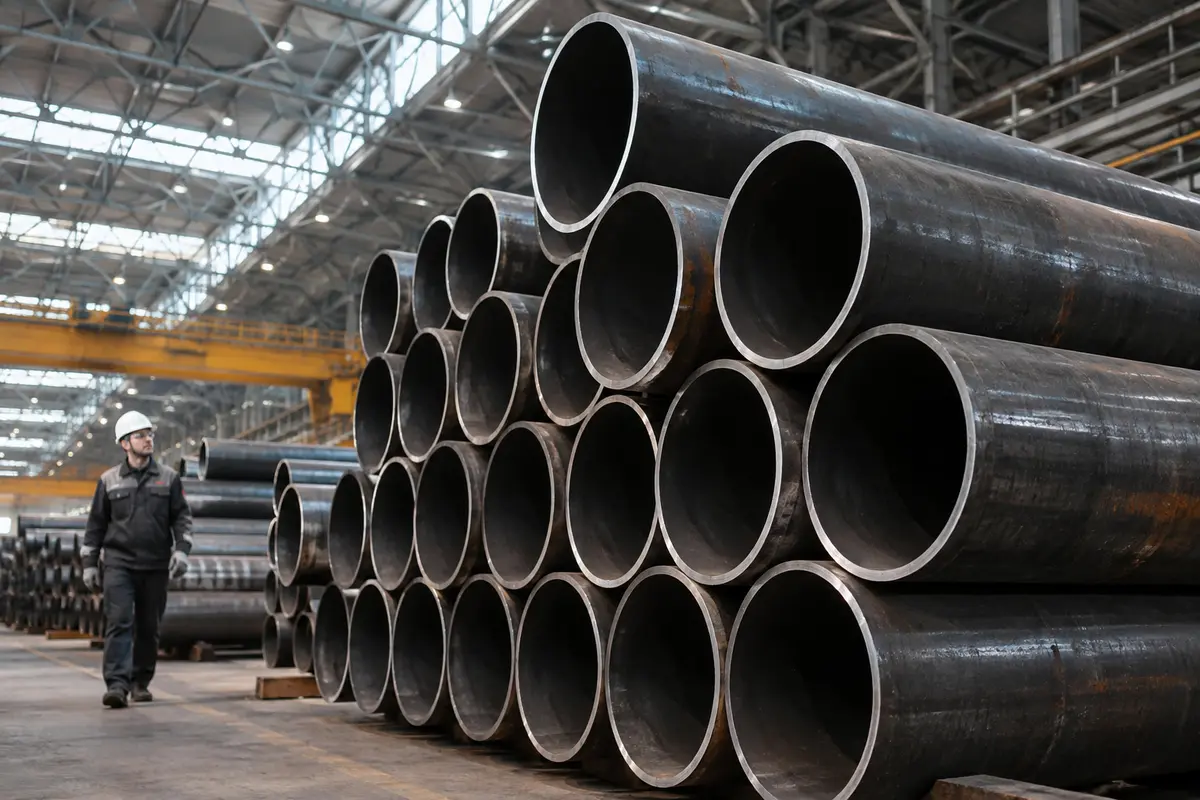
According to the annual report of TMK published on April 1, 2026, the global steel pipe market fell 2.3% in 2025 to 154.6 million tonnes, mainly on weaker Chinese consumption of industrial welded pipes amid the real estate crisis; for 2026 the market is expected to stay at the 2025 level with drilling up 2%. TMK's 2025 pipe sales fell by a third to 2.95 million tonnes with EBITDA down 19%; Russian demand weakened across the fuel and energy complex, machine building and the regional market under a high key rate, drilling fell 3% and new wells 4%, horizontal drilling reached 59% (minus 9 p.p.), and the report sees the bottom point of the cycle with a gradual recovery from the second half of 2026.
PJSC Lukoil reported its 2025 results on March 20, 2026: a full write-off of its investment in Lukoil International GmbH due to U.S. sanctions, an impairment loss of 1.66 trillion rubles, revenue down 15% to 3.8 trillion rubles and a net loss above 1 trillion rubles; the board recommended a dividend of 278 rubles per share, approved by shareholders on April 23, 2026, with the register closing May 4, 2026 and payment by May 19, 2026.
Polyus reported 2025 results on March 16, 2026: gold production of 2,528.8 thousand ounces (down 16%, within the 2.5–2.6 million ounce guidance, a planned decline tied to the next benches of the Olimpiada and Blagodatnoye pits), sales of 2,535 thousand ounces (down 18%), revenue of $8,723 million (up 19% as prices offset volumes), adjusted EBITDA of $6,347 million (up 12%, including $3.67 billion in H2 2025 versus the Interfax consensus of $6.33 billion for the year and $3.65 billion for the half) and record capex of $2.2 billion across Sukhoi Log, Chulbatkan, Chertovo Koryto, the fifth bench of the Vostochny pit and ZIF-5 at Blagodatnoye; 2026 guidance is 2.5–2.6 million ounces and $2.2–2.5 billion of capex.
SIBUR Holding reported 2025 IFRS results on February 26, 2026: revenue of 1,049 billion rubles (down 10.4%), EBITDA of 370 billion rubles (down 22.5%, margin 35.2%) and net profit of 205.1 billion rubles (up 4.5% on about 90 billion rubles of positive exchange-rate differences); capital expenditure rose 26.7% to 355.6 billion rubles and net debt reached 1,048 billion rubles (2.8x EBITDA) as the company passed the peak of its investment cycle, with weaker petrochemical prices, a stronger ruble and softer construction and transport demand partly offset in packaging and e-commerce by 7.4% real income growth.
Russian airlines carried 108.9 million passengers in 2025, down 2.5%; domestic traffic fell 3.8% to 81.5 million while international routes grew 1.6%
Korea Electric Power Corp. (KEPCO) reported an all-time quarterly high operating profit of 5.65 trillion won (about US$3.8 billion) for the third quarter of 2025, up 66.4% from 3.39 trillion won a year earlier, with sales rising 5.6% to a record 27.57 trillion won and electricity sales revenue up 5.5% to 26.7 trillion won, while net profit surged 101.6% to 3.79 trillion won (about US$2.6 billion), beating the 3.46 trillion won analyst consensus; the ninth consecutive profitable quarter is attributed to the 9.7% industrial rate hike of October 2024, stabilized international energy prices and fiscal-soundness efforts, with cumulative operating losses of about 23.1 trillion won and 206.2 trillion won of debt still on the balance sheet as the company funds grid expansion for AI demand under the "energy expressway" HVDC plan.
Kia Corp.'s net profit for the third quarter of 2025 fell 37.3% to 1.42 trillion won (about US$996.6 million) and operating profit dropped 49.2% to 1.46 trillion won, as U.S. import tariffs of 25% on Korean-made vehicles, higher global incentives and sales promotions and a stronger effect from converting dollar-denominated debt into won outweighed 8.2% revenue growth to 28.68 trillion won; the net result missed the 1.64 trillion won average estimate compiled by Yonhap Infomax, while nine-month operating profit stood at 7.24 trillion won, down 27.3%, on sales of 86.05 trillion won.
At EEF-2025 Aeroflot's CEO expects a slight 2025 traffic decrease for Russian airlines while foreign carriers grow 10%-20%; 7M traffic fell 1.7% to 62.1 mln
Korea Electric Power Corp. (KEPCO) reported an operating profit of 5.9 trillion won for the first half of 2025, up 131% year on year, on sales of 46.2 trillion won (+5.5%), while second-quarter net income reached 1.17 trillion won (about US$846.5 million), up 928.1%, and Q2 operating profit rose 70.8% to 2.13 trillion won on revenue of 21.95 trillion won (+7.2%); the eighth consecutive quarterly operating profit beat analyst expectations of 1.12 trillion won and is attributed to tariff adjustments that lifted the average selling price 5.7%, stable fuel prices and 2.3 trillion won of cost cuts, with the company now funding new energy projects and a next-generation national power grid for AI-driven demand.
Kakao Corp. closed the second quarter of 2025 with an all-time high quarterly operating profit of 185.93 billion won, up 39% from 133.96 billion won a year earlier on a 9.2% operating margin, while net profit rose 97% to 171.82 billion won (about US$124 million) and revenue set a quarterly record of 2.028 trillion won, up 1.2%; the platform segment including KakaoTalk grew 10% to 1.055 trillion won on advertising and e-commerce as the content division fell 7% to 973.1 billion won on weak gaming, with equity gains from Kakao Pay and Kakao Mobility adding to the profit lines and operating expenses down 2% at 1,842.4 billion won.
A Korean consortium led by Korea Hydro & Nuclear Power (KHNP) will sign the $18 billion Czech contract for two APR-1000 reactors (1,055 MW each) at Dukovany on May 7, 2025 — Korea's first reactor export in 16 years and first entry into the European nuclear market; the Czech state takes an 80% stake in Elektrarna Dukovany II to facilitate the deal.
Severstal (MOEX: CHMF) has started cold commissioning of Mill 170, a new 900,000-tonne bar and wire rod mill at the Cherepovets Steel Mill; the RUB 15 billion project, delayed by the replacement of its European equipment supplier with a Chinese one, is set for hot commissioning in Q4 2025 and design capacity in H1 2026, with about 70% of output going to Severstal-Metiz.
Sovcomflot reported IFRS results for 2024 on March 7, 2025: net profit fell about 55% to $424.449 million from $943.3 million, below the $568 million consensus; EBITDA was $1.041 billion against $1.572 billion; time-charter equivalent revenue reached $1.535 billion; adjusted net profit, the dividend base, declined 45% to 46.211 billion rubles from 83.533 billion rubles; total revenue fell 19% to $1.87 billion from $2.32 billion, with Interfax recalling the February 23, 2024 SDN listing and the January 10, 2025 package against 69 vessels as context.
Korea Electric Power Corp. (KEPCO) closed 2024 with an operating profit of 8.34 trillion won, its first annual operating profit in four years after a 4.54 trillion won operating loss in 2023, while net income reached 3.74 trillion won (about US$2.6 billion) against a 4.71 trillion won net loss and sales grew 6.6% to 94 trillion won; the turnaround is attributed to rate hikes that lifted the average price from 152.8 to 162.9 won per kWh, stabilized fuel costs and cost-cutting, with accumulated debt above 200 trillion won and a cumulative operating loss of 34.7 trillion won still overhanging the balance sheet.
ALROSA closed 2024 with a positive financial result despite a significant decline in diamond prices, chief executive Pavel Marinychev said on February 18, 2025, crediting optimisation measures; the average diamond price index fell 20% to $107 per carat per De Beers, first-half 2024 EBITDA was 64 billion rubles (down 23%) and consolidated net profit 37 billion rubles (down 34%), and the company recalled staying profitable through the 2008-2009 crisis, when part of its output went to the Gokhran for $1 billion.
TMH JSC (АО «ТМХ») reported 2024 Russian Accounting Standards results: net profit of RUB 19.1 billion (+35% versus RUB 14.2 billion a year earlier), revenue of RUB 166.8 billion (+23.6%), gross profit of RUB 19.6 billion (1.6 times) and income from participation in other organizations of RUB 13.1 billion (more than doubled); development investment rose 35% to RUB 28.5 billion, while group IFRS revenue reached RUB 504.7 billion with net profit of RUB 28.1 billion (2.7 times).
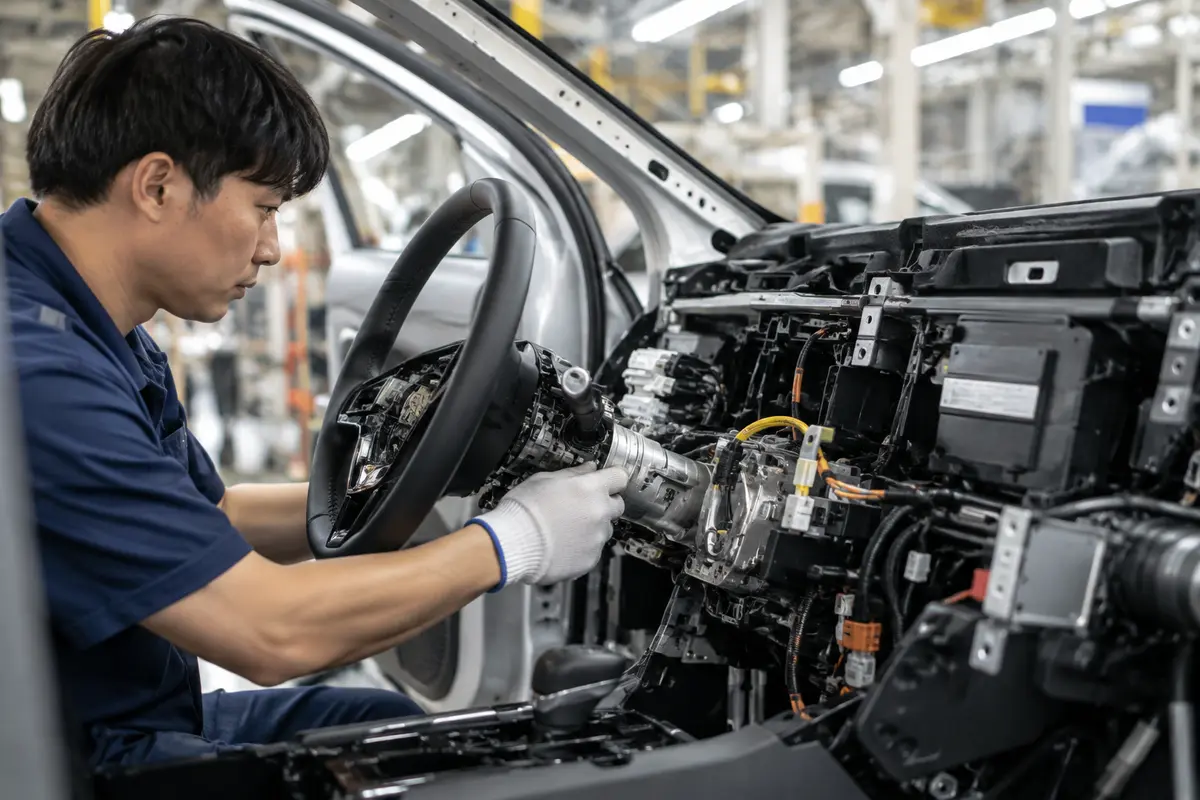
Hyundai Motor Company reported record 2024 sales of 175.23 trillion won, up 7.7% year on year, with operating profit down 5.9% to 14.23 trillion won on won depreciation and higher warranty provisions, while net profit rose 7.8% to 13.22 trillion won (about US$9.2 billion) on growing eco-friendly vehicle demand; combined with Kia, 2024 operating profit is expected at 27.64 trillion won versus the 2023 combined record of 26.73 trillion won, with Kia set to top 100 trillion won in sales for the first time.
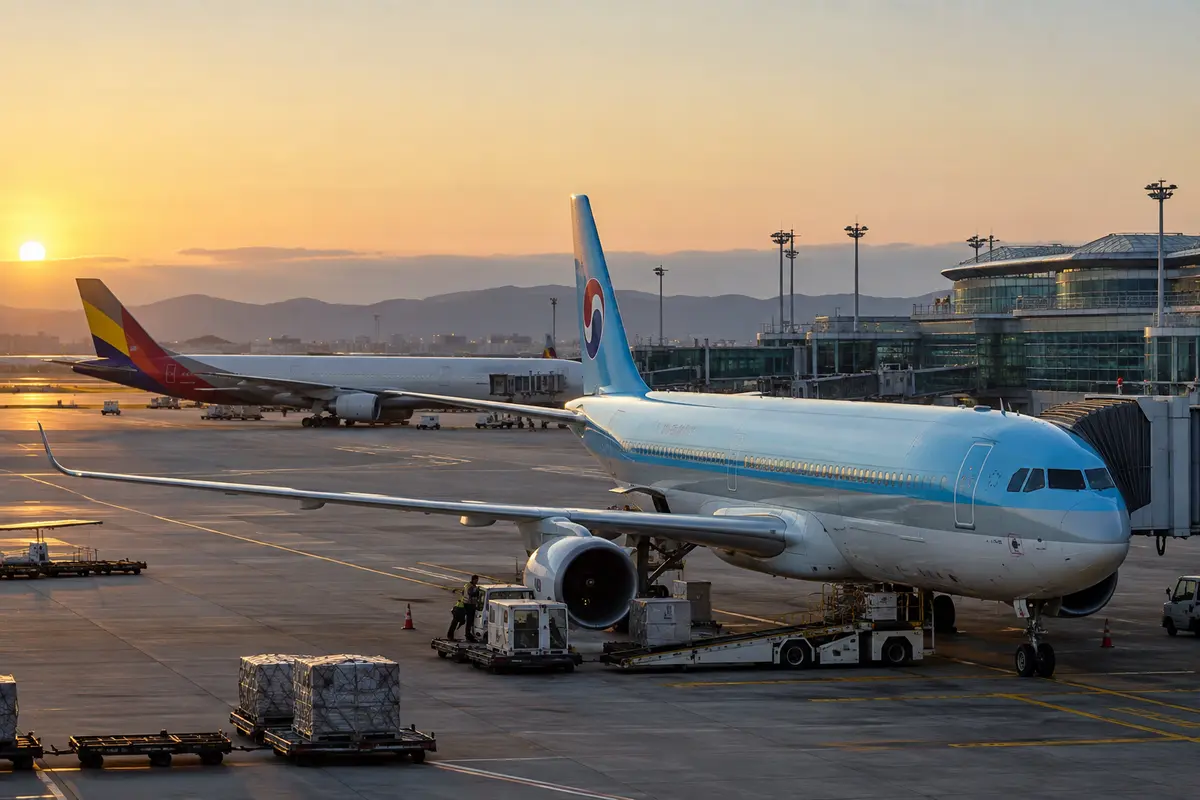
Korean Air has completed its takeover of Asiana Airlines, integrating the carrier as a subsidiary and closing a yearslong acquisition under the 1.8 trillion-won merger deal: the airline paid 1.5 trillion won (US$1.04 billion) for 131.57 million newly issued Asiana shares, giving it a 63.88 percent stake. The share acquisition followed antitrust approvals in 14 countries and regions, including the European Union, and opens a two-year post-merger integration in which Asiana, Air Seoul and Air Busan are to be absorbed and their brands retired.
Kia Corp. announced a mid- to long-term value enhancement plan targeting an average annual sales growth rate and an operating profit margin above 10 percent over the next three years, return on equity above 15 percent for 2025-2027, and total shareholder returns of 30-35 percent in 2024 and 35 percent for 2025-2027.
Freight loading on the Russian Railways network totalled 1.0821 bn tonnes in Jan–Nov 2024 (−4.4%); cargo turnover fell 5.2% to 2,301.4 bn tariff tonne-km
Kakao Corp. closed the third quarter of 2024 with a net profit of 78.5 billion won (US$56 million), up 113% from 36.8 billion won a year earlier on a base effect from the weak prior-year quarter, while operating income rose 5% year on year to 130.5 billion won and sales declined 4.5% to 1.92 trillion won; the net figure fell short of the 94.6 billion won analyst consensus compiled by Yonhap Infomax, and the results are separate from those of subsidiary Kakao Bank, which reported an operating profit of 174 billion won, up 36.2%, for the same period.
POSCO Holdings reported Q3 2024 operating profit of 740 billion won, down 38.3% year-on-year, and sales of 18.32 trillion won, down 3.4%, as the global steel industry slump and stagnating electric-vehicle demand pressured results; net income of 497 billion won (US$359.6 million), down 9.1%, still beat the average analyst estimate of 396 billion won (Yonhap Infomax), while the overseas business operating profit plunged 90.1% to 7 billion won on the continued demand slowdown in China.
Samsung SDI closed the third quarter of 2024 with a net profit of 230.4 billion won (US$166.6 million), down 63% year on year and below the 254.8 billion won analyst average compiled by Yonhap Infomax, while operating profit fell about 72% to 129.9 billion won from 465.2 billion won and revenue contracted 29.8% to 3.93 trillion won; the company attributed the decline to slowing European EV demand hitting prismatic battery revenue, lower cylindrical battery utilization and FX impacts, partially offset by ESS battery growth and new smartphone pouch cells, with the battery unit's operating profit down 85% to 63.5 billion won.
Kia Corp., South Korea's second-largest carmaker, posted a third-quarter 2024 net profit of 2.26 trillion won (about US$1.6 billion), up 2.1% from 2.22 trillion won a year earlier, as demand for the all-electric EV3 SUV, the upgraded K8 sedan and gasoline hybrids offset slowing EV sales; operating profit rose 0.6% to 2.88 trillion won and revenue grew 3.8% to 26.52 trillion won, while a 630 billion won provision for U.S. engine warranty extensions capped the net result and the company raised its full-year targets to 12.8-13.2 trillion won of operating profit on 105-110 trillion won of sales.
LG Electronics Inc. reported preliminary Q3 2024 results with an operating profit of 751.1 billion won (US$556.9 million), down 20.9% year on year and 22.5% below the average analyst estimate compiled by Yonhap Infomax, while sales rose 10.7% year on year to 22.17 trillion won; the decline was attributed to increased costs and net earnings were not available at the preliminary stage, with the later final release confirming consolidated revenue of 22.18 trillion won and operating profit of 751.9 billion won, consistent with the preliminary figures.
Petronas subsidiary Suriname E&P BV has made its third hydrocarbon discovery in Block 52, offshore Suriname, at the Fusaea-1 exploration well, spudded in February 2024 and drilled to a total depth of 5,227 metres with zero lost-time injuries. The well lies about 170 km offshore and 9 km east of the Roystonea-1 discovery; the company says the sequence of finds has expanded the prospectivity and integrated oil and gas development potential within Block 52.
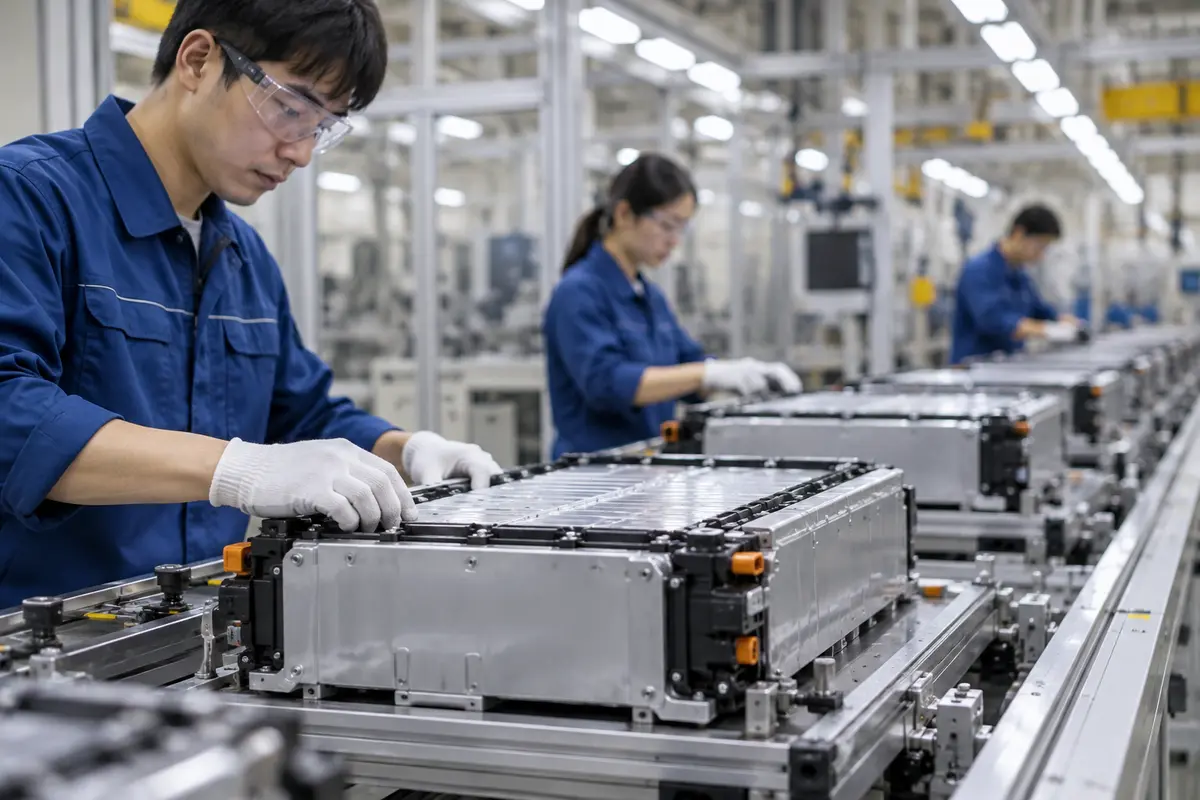
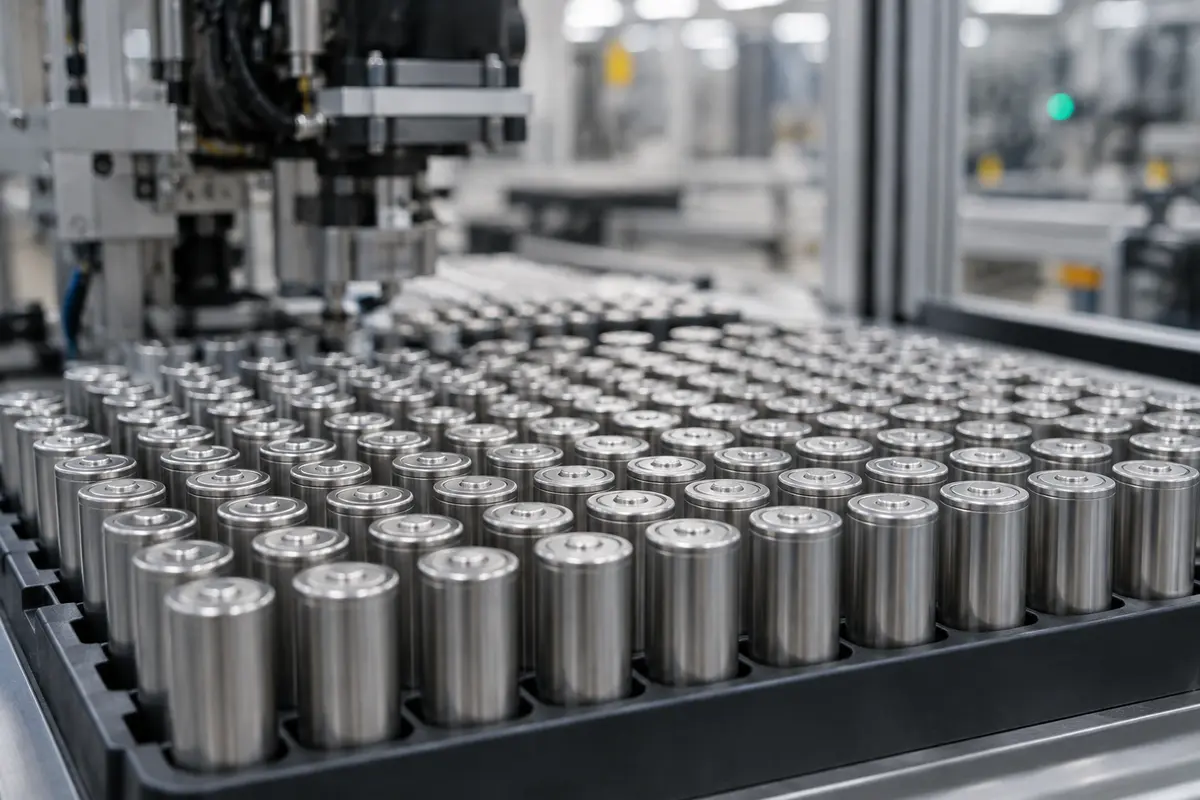
LG Energy Solution Ltd. has started building its US$5.5 billion battery plant in Arizona, targeting operations in 2026 with 36 GWh of 46-Series cylindrical EV cells and 17 GWh of LFP pouch-type ESS batteries.
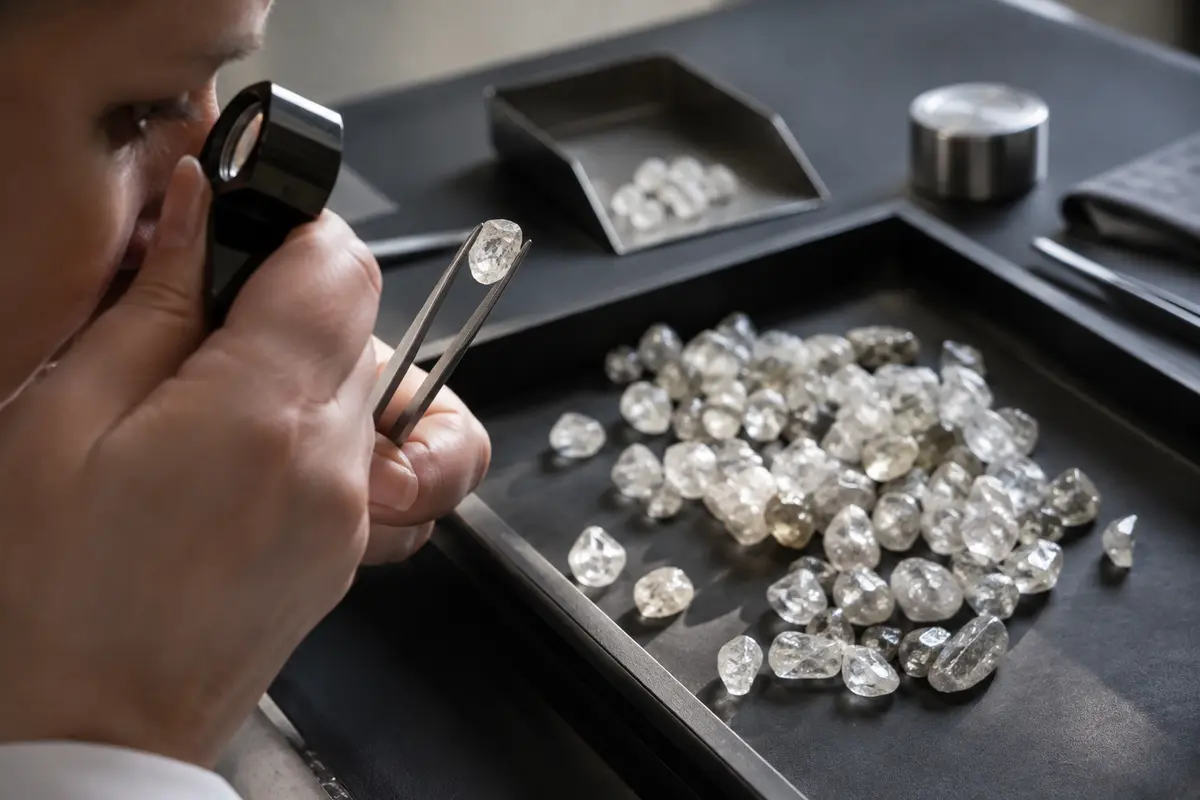
ALROSA (ПАО «АЛРОСА») and the Russian Finance Ministry have signed an agreement on the buyout of part of the diamond rough produced in 2024, with the Gokhran (Гохран) purchasing in March a first lot covering the entire cut of output and similar deals to follow regularly through the year, sources familiar with the situation said. The Gokhran acts within its 2024 budget limit of 51.5 billion rubles for precious metals and stones purchases, having previously bought $100-200 million of rough a year, while the current deals are larger; the buyout is described as one of the support instruments during the sanctions, with the 2009 precedent of a roughly $1 billion Gokhran purchase of ALROSA diamonds.
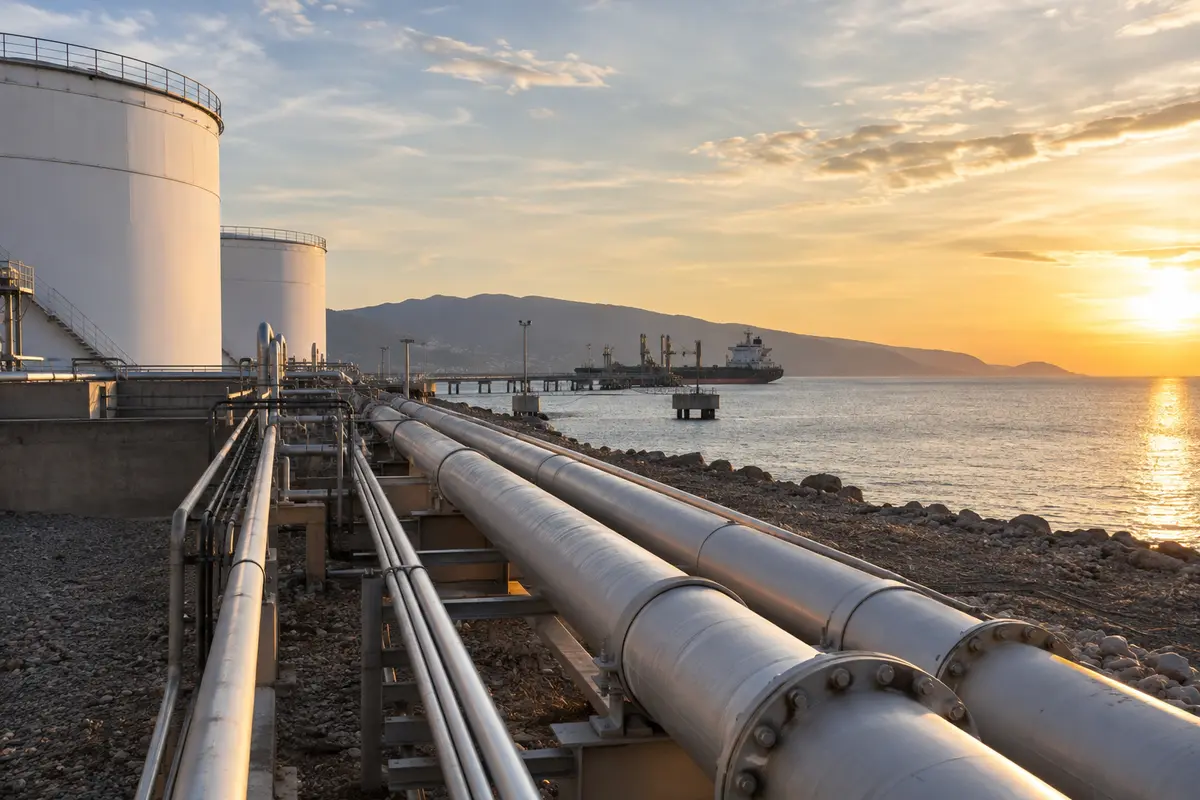
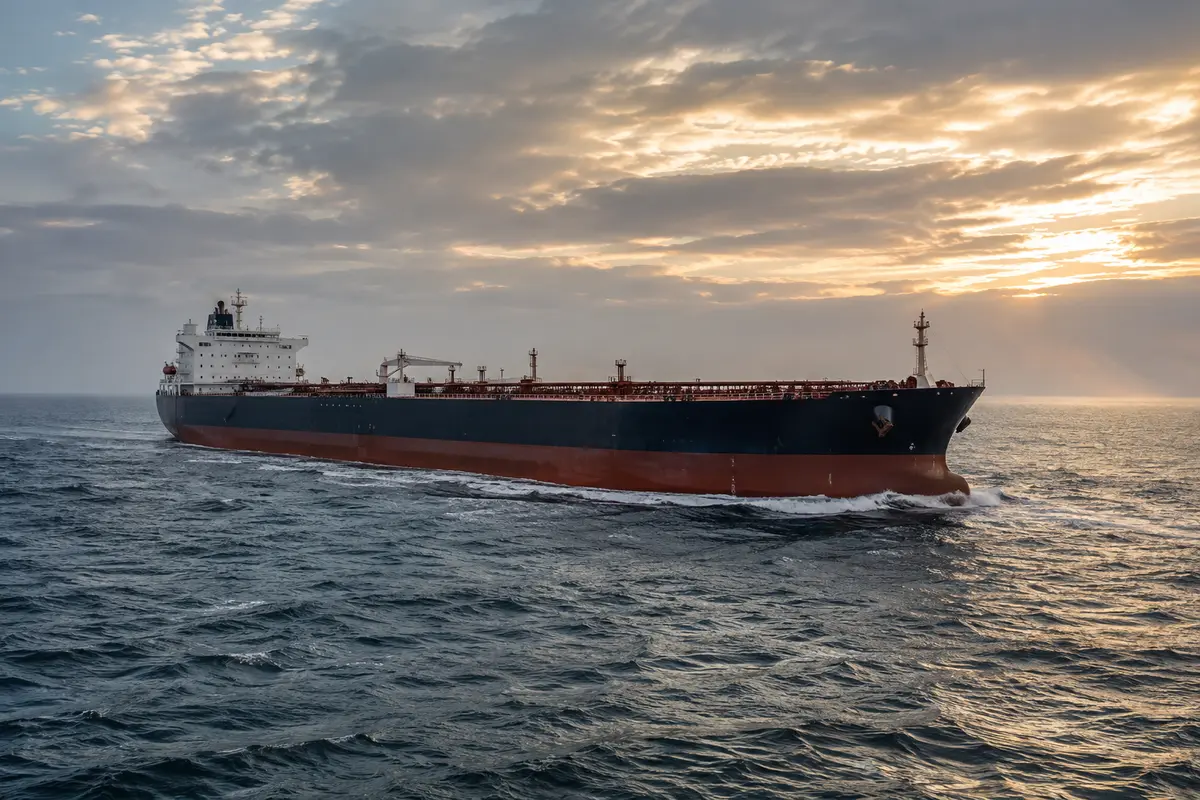
On February 23, 2024 the United States included PJSC Sovcomflot in the SDN List together with 14–15 of the company's tankers; Sovcomflot said the designation would create operational difficulties and addressed the market through its corporate communications, while a subsequent U.S. package of January 10, 2025 covered 69 vessels, including 54 oil tankers and 4 LNG carriers.
Petronas has awarded seven new production-sharing contracts under Malaysia Bid Round 2023 for exploration blocks offshore Peninsular Malaysia and Sarawak plus a discovery resource opportunities cluster offshore Sabah, expected to garner more than RM1.3 billion in exploration and production investment in Malaysia. Alongside the awards, the company launched Malaysia Bid Round 2024, themed "Transforming Your Future with Advantaged Energy", offering five exploration blocks in the Langkasuka, Semporna and Sandakan basins and five DRO clusters, with a virtual data room open until the Aug 1, 2024 bid deadline.
 Parkent’s Chashma Village: Folk Traditions Near Tashkent
 Uzbek Food and Cultural Traditions: From London’s Festival to Regional Tables
 Nilu and Sangardak: Village Tourism in Surkhandarya
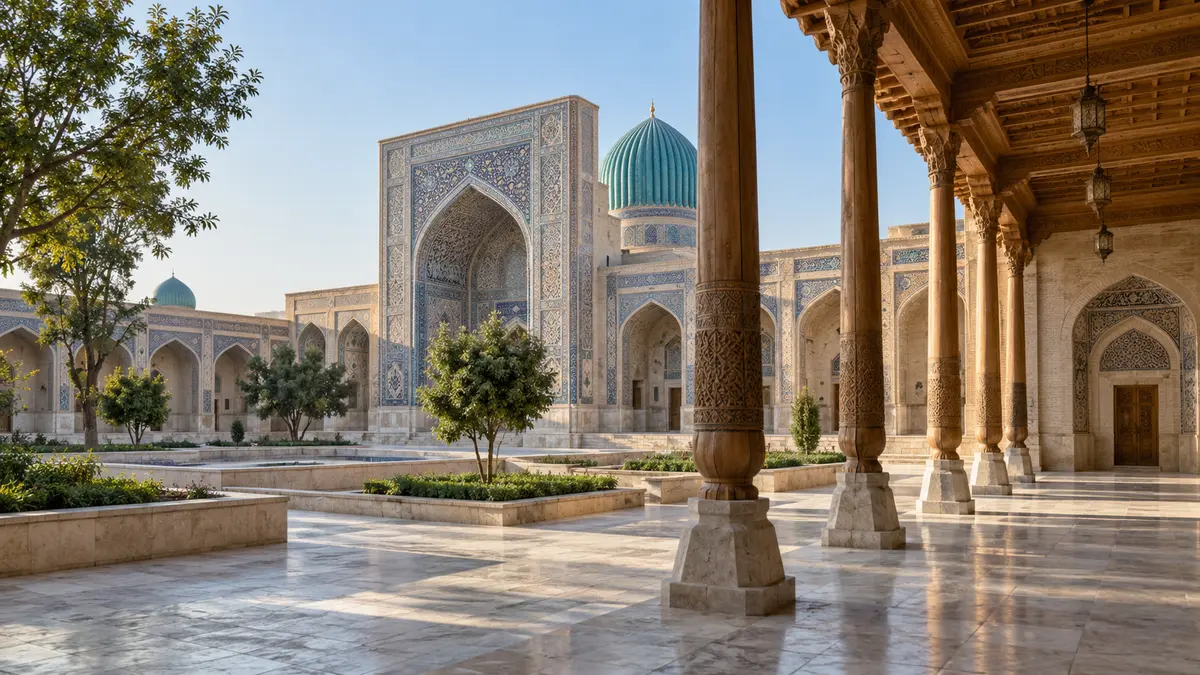 Imam al-Bukhari’s Heritage and Samarkand’s Pilgrimage Landscape
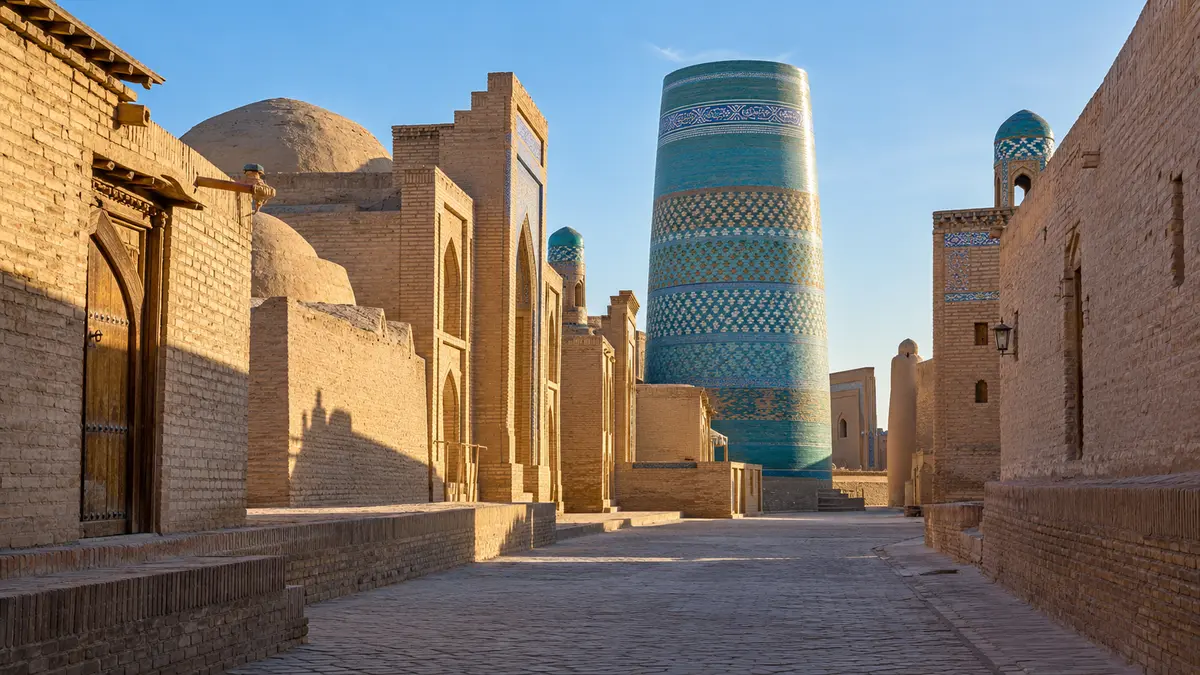 Khiva’s Walled City: Architecture, Palaces and Living Traditions
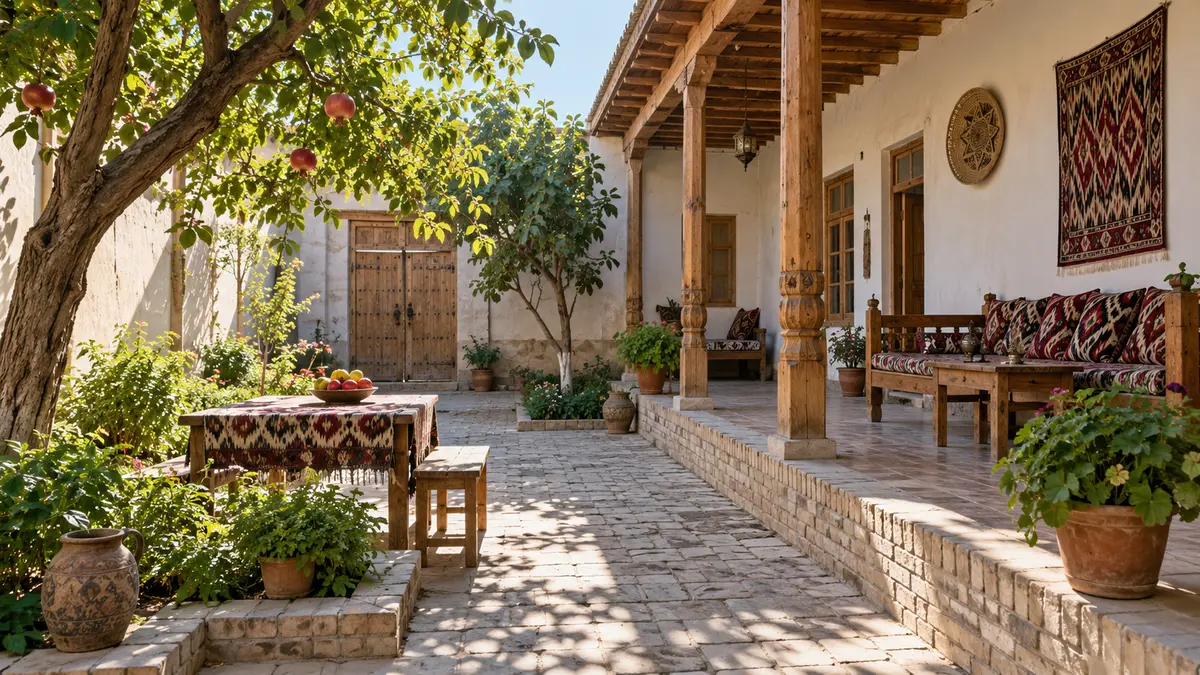 One Day in Kasri Orifon: Bukhara’s Pilgrimage Village
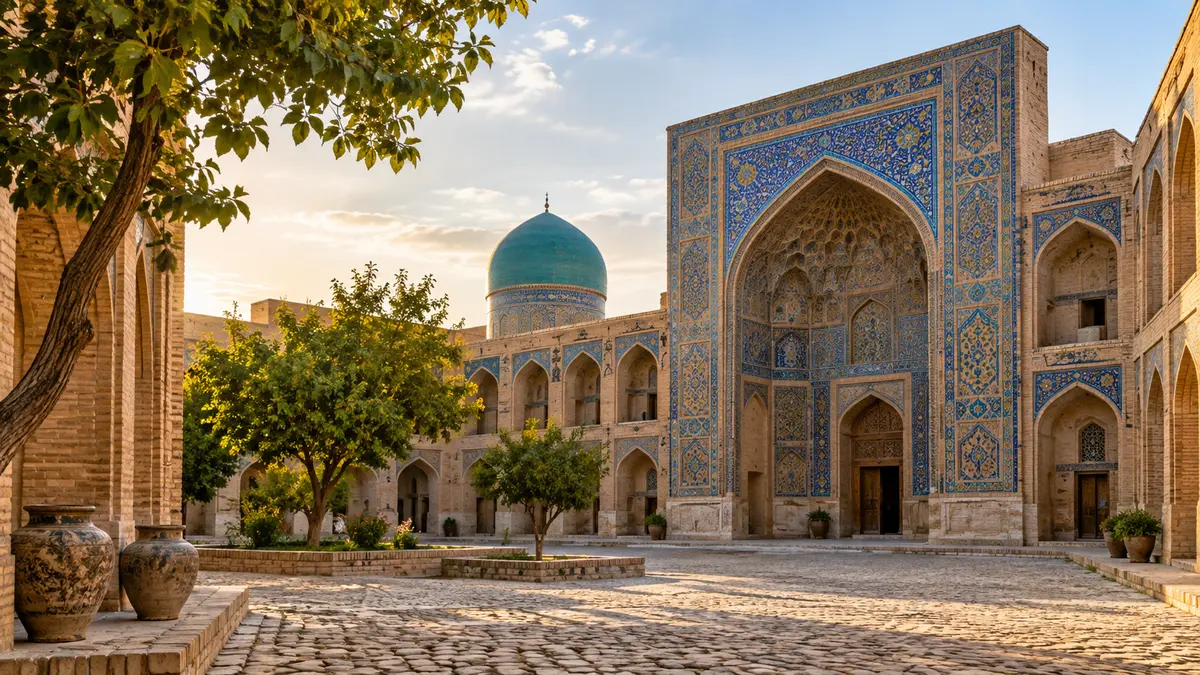 Uzbekistan's Tourism Expansion: Heritage Cities, Living Crafts and Regional Routes
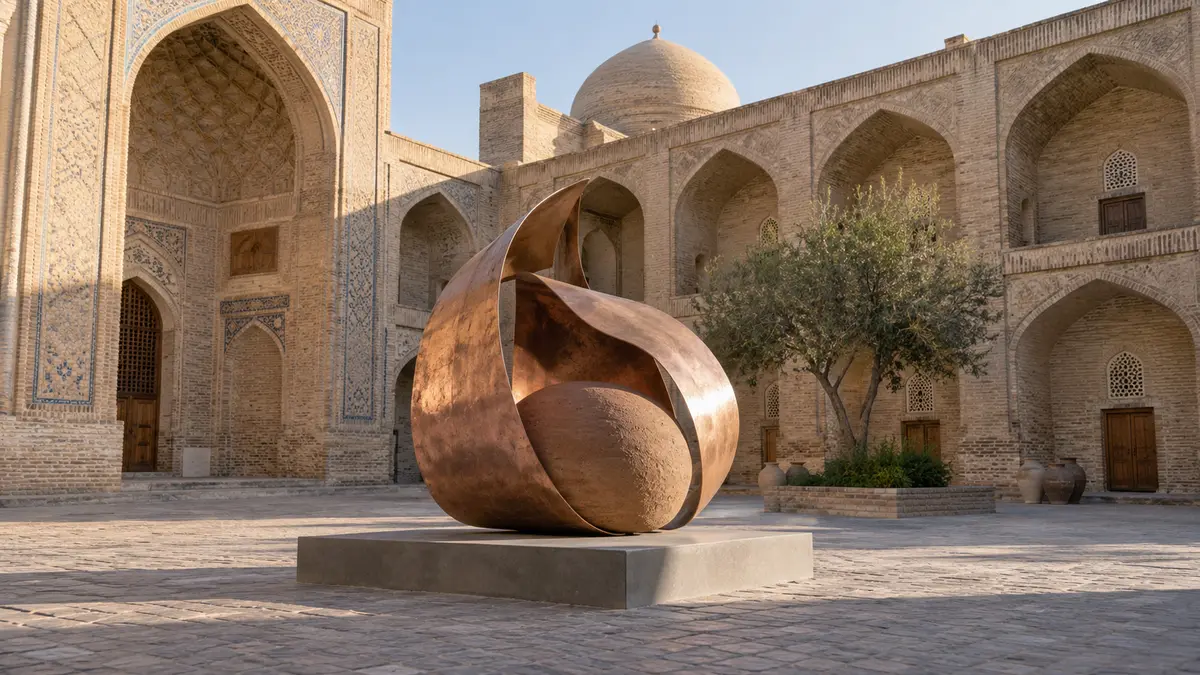 Bukhara’s Biennale: Contemporary Art in Historic Spaces
 Tashkent’s Museums, Mahallas and New Cultural Spaces
 Rishtan’s Craft Neighbourhood and the Fergana Valley
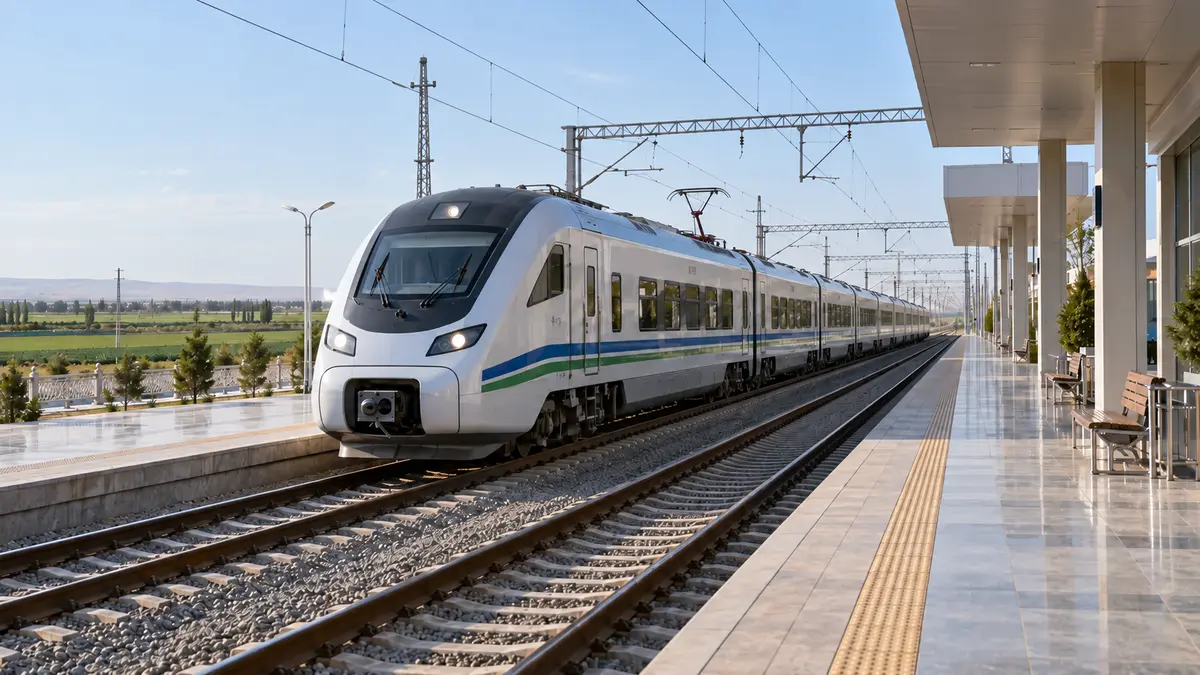 Uzbekistan’s Western Rail Corridor and the Journey to Khiva
 Ageas agrees Esure acquisition to widen UK insurance distribution
 Ancient Fortresses and Museums of Western Uzbekistan
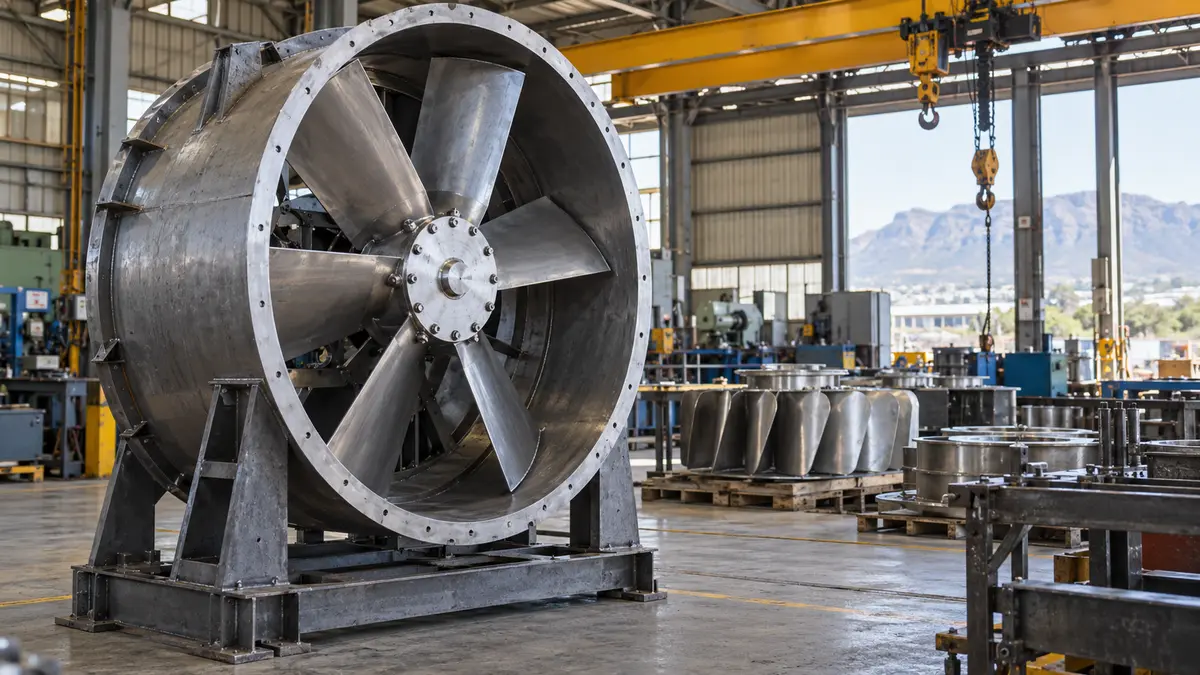 LH Marthinusen opens R32 million Germiston fan factory