SIBUR's 2025 IFRS Net Profit Rose 4.5% to 205.1 Billion Rubles as Currency Gains Offset Weaker Petrochemical Prices
SIBUR (ПАО «СИБУР Холдинг») published its consolidated IFRS results for 2025 on February 26, 2026: revenue of 1,049 billion rubles, down 10.4% year on year, EBITDA of 370 billion rubles, down 22.5%, with an EBITDA margin of 35.2%, and net profit of 205.1 billion rubles, up 4.5% on positive exchange-rate differences of about 90 billion rubles from the revaluation of foreign-currency debt. Capital expenditure rose 26.7% to 355.6 billion rubles and net debt reached 1,048 billion rubles, or 2.8x EBITDA, as the company passed the peak of financing for its investment cycle.

2025 IFRS results: revenue and EBITDA down, net profit up
MOSCOW, February 26, 2026 — SIBUR (ПАО «СИБУР Холдинг») reported its IFRS results for the full year 2025, showing lower revenue and EBITDA against a stronger net profit line. Revenue, excluding VAT and export duties, fell 10.4% to 1,049 billion rubles from 1,170.9 billion rubles a year earlier, while EBITDA declined 22.5% to 370 billion rubles from 477 billion rubles, taking the EBITDA margin to 35.2% against 40.7%. Net profit, by contrast, grew 4.5% to 205.1 billion rubles from 196.4 billion rubles. Corporate announcements, results materials and media information of the company are published on its website at https://www.sibur.ru/. The key figures of the year stand as follows:
- revenue, excluding VAT and export duties: 1,049 billion rubles in 2025 versus 1,170.9 billion rubles in 2024, down 10.4%;
- EBITDA: 370 billion rubles versus 477 billion rubles, down 22.5%, with an EBITDA margin of 35.2% against 40.7%;
- net profit: 205.1 billion rubles versus 196.4 billion rubles, up 4.5%;
- capital expenditure: 355.6 billion rubles, up 26.7%;
- net debt: 1,048 billion rubles, up 21.5%, with net debt to EBITDA at 2.8x against 1.8x a year earlier.
Net profit growth despite the EBITDA decline
The divergence between the operating and the bottom lines is explained by currency effects. Net profit rose 4.5% even as EBITDA fell 22.5% because of positive exchange-rate differences of about 90 billion rubles arising from the revaluation of the company's foreign-currency debt. That amount is several times the year-on-year increase in net profit itself, which grew from 196.4 billion rubles to 205.1 billion rubles, or by 8.7 billion rubles.
Capital expenditure, debt and the peak of the investment cycle
The investment programme remained the main driver of the balance sheet. Capital expenditure for 2025 reached 355.6 billion rubles, up 26.7% year on year, and net debt grew 21.5% to 1,048 billion rubles, lifting the net debt to EBITDA ratio to 2.8x from 1.8x. The increase in debt load is attributed to the active phase of the company's investment projects: 2025 marked the peak of financing for the investment cycle.
What stood behind the higher debt load
- the active phase of investment projects, which required intensified financing during 2025;
- capital expenditure of 355.6 billion rubles, up 26.7% year on year, as the build-out continued;
- the passing of the peak of investment-cycle financing in 2025, with net debt to EBITDA at 2.8x against 1.8x a year earlier.
Market drivers: petrochemical prices, the ruble and end-market demand
The results materials point to a combination of external factors behind the year's dynamics. World petrochemical prices fell, the ruble strengthened, and the company's cost base is predominantly ruble-denominated, so a stronger domestic currency weighed on the ruble value of export-linked revenue while costs stayed in rubles. Consumption of synthetic materials also declined in construction and in transport, two important end markets for the company's products.
At the same time, consumer-facing demand proved supportive. Real household incomes grew 7.4% over the year, which underpinned sales into packaging and e-commerce, partially offsetting the weakness in construction and transport. The balance of these factors shaped the 2025 picture:
- a fall in world petrochemical prices, reducing the ruble value of sales;
- a stronger ruble combined with a predominantly ruble-denominated cost base;
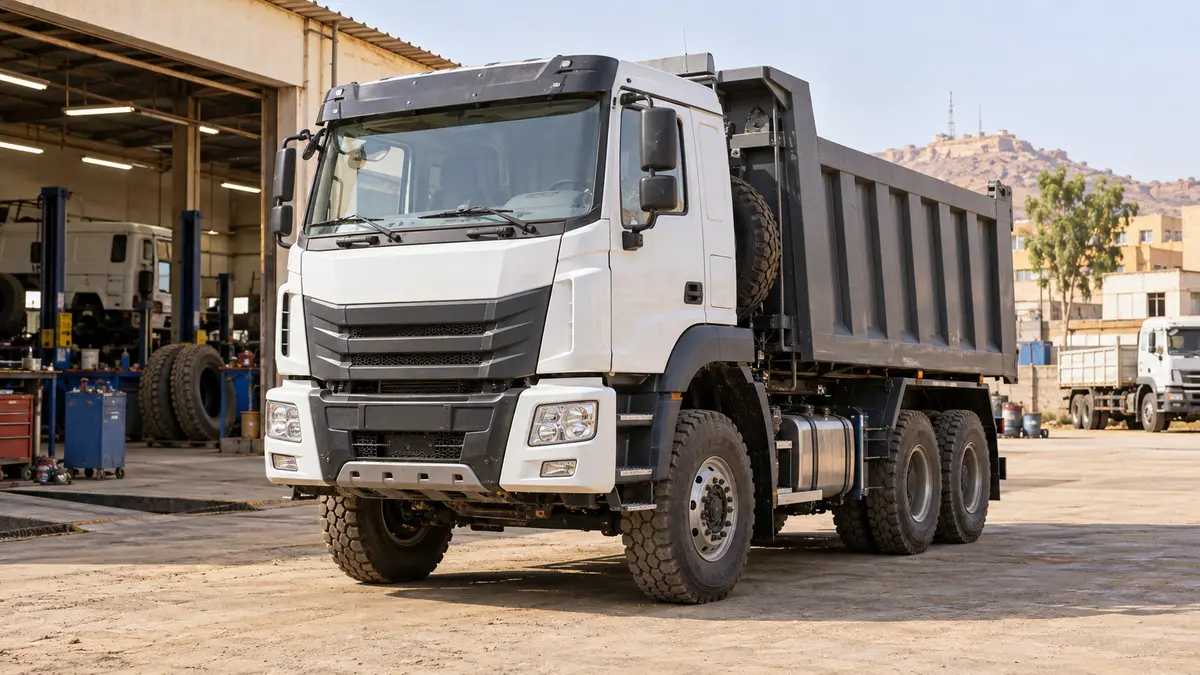
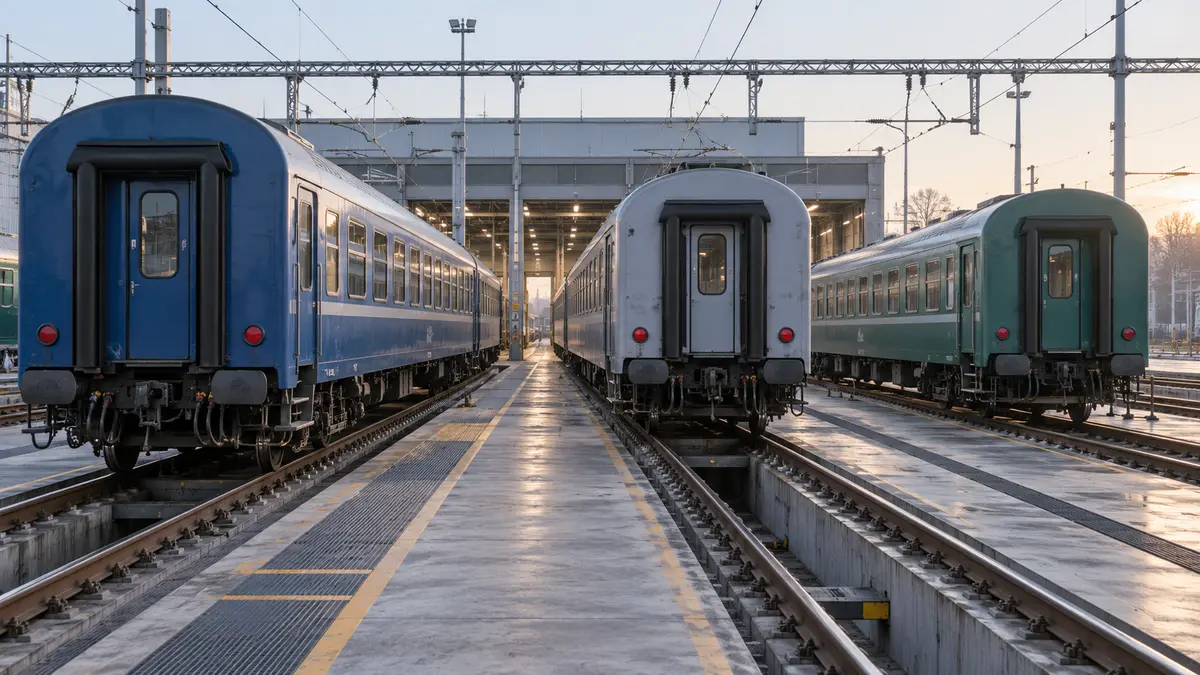
- lower consumption of synthetic materials in construction and transport;
- growth of real household incomes of 7.4%, supporting sales into packaging and e-commerce.
Taken together, these drivers explain both the decline in revenue and EBITDA and the resilience of consumer-linked segments, while the currency revaluation of foreign-currency debt turned the net profit line positive for the year.
Company information
Company: SIBUR Holding (ПАО «СИБУР Холдинг»)
Contacts: SIBUR Press Service, Moscow; disclosures at https://www.sibur.ru/
Company website: https://www.sibur.ru/














Leave a comment