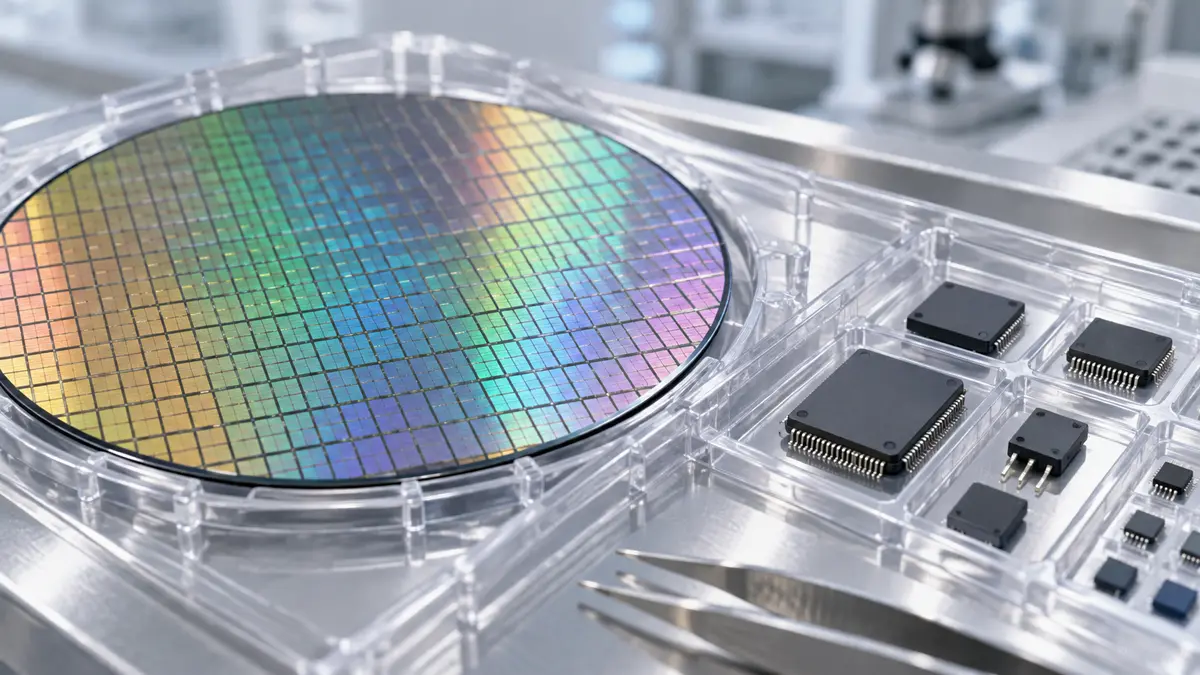
Samsung’s memory profit surge: what the preliminary record explains
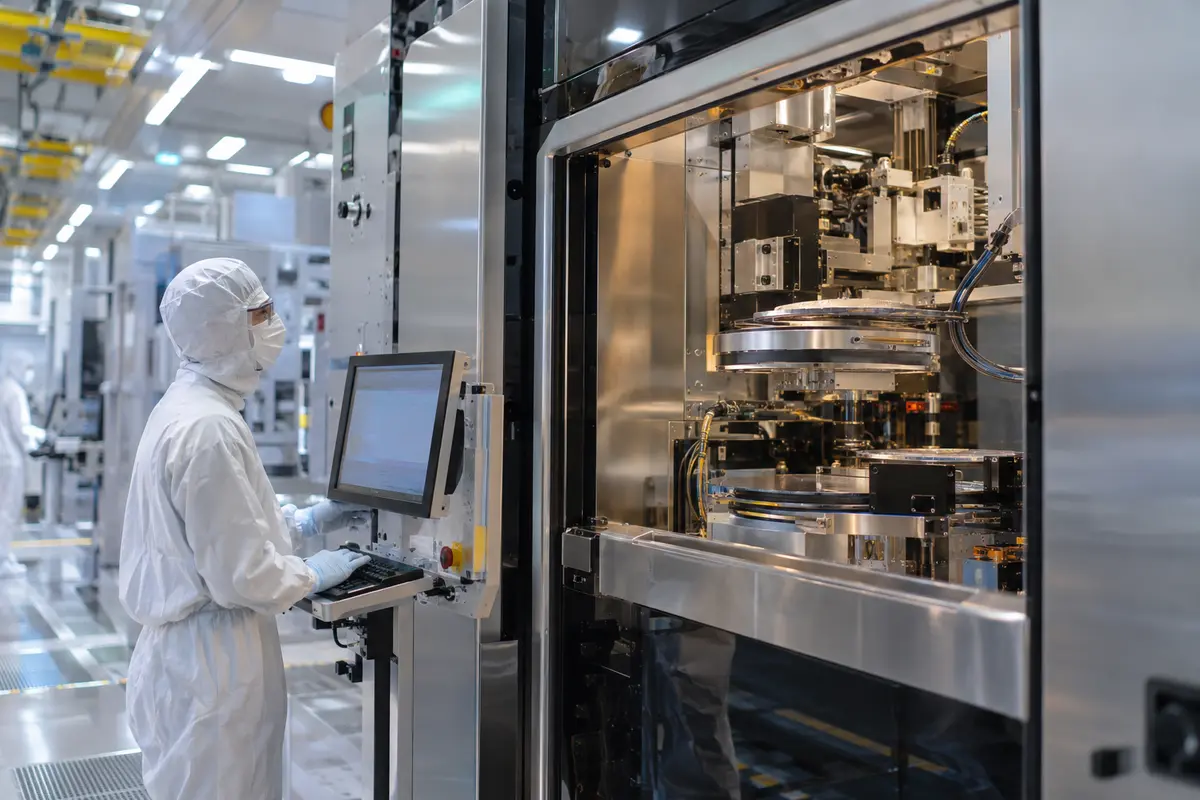
Samsung’s preliminary third-quarter result reflects a strong memory cycle. Estimates, reported results and industry revenue need distinct comparisons.
Samsung’s preliminary third-quarter result reflects a strong memory cycle. Estimates, reported results and industry revenue need distinct comparisons.
AI equipment finance and the obligations behind an SPV
Kakao Corp. will split into two listed companies, Kakao AI and Kakao X: the newly established Kakao AI takes the KakaoTalk platform together with the AI, advertising and commerce businesses plus subsidiaries DK Techin and K&Works, while Kakao X, the surviving entity, keeps fintech, content and mobility under an investment-focused structure; the split ratio is 0.36 to 0.64 based on net book values, existing shareholders receive shares in both companies, CEO Chung Shin-a will lead Kakao AI and Kim Do-young, chief executive of Kakao Investment and head of group investment strategy, is nominated to head Kakao X, with shareholder approval at an extraordinary general meeting on December 17, 2026, the split effective January 1, 2027 and separate trading from January 27, 2027.
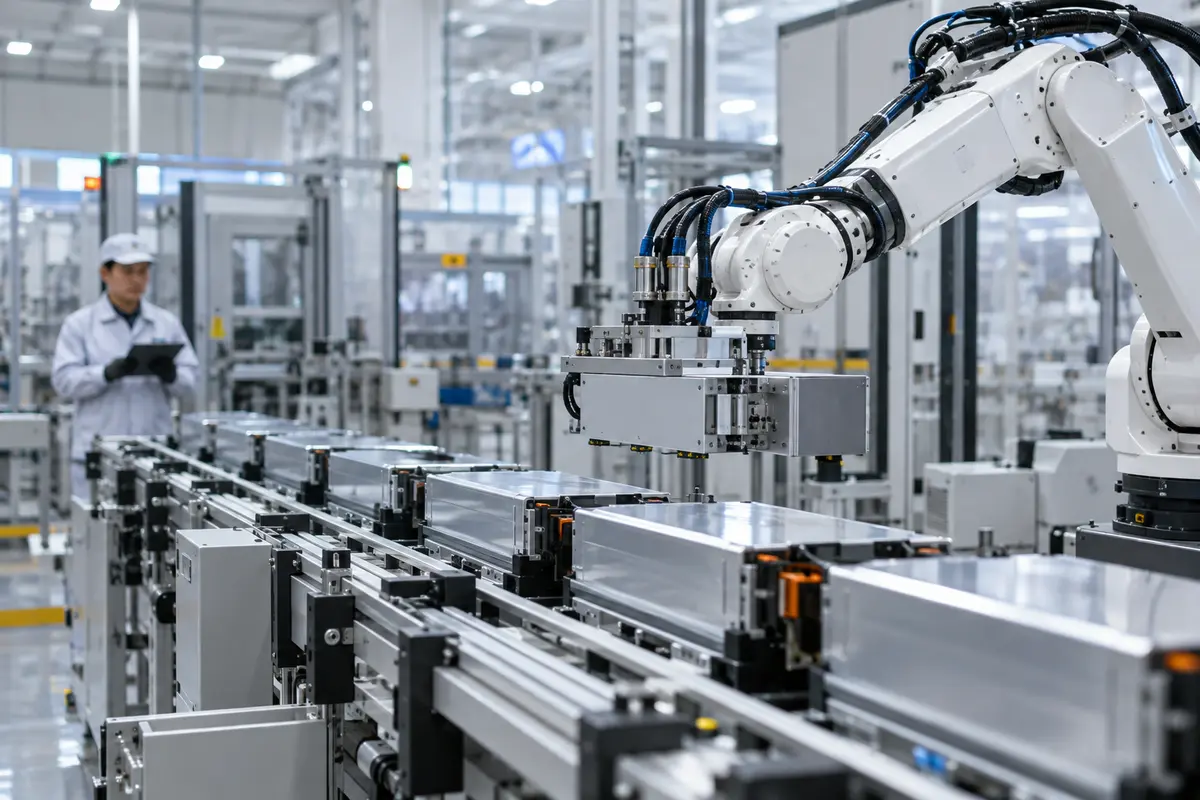
LG Energy Solution Ltd. will boost productivity 50% by 2028 through an AI transformation covering its eight plants — one in Korea and seven abroad — CEO Kim Dong-myung said, as four additional U.S. plants, including the Arizona complex, are scheduled to start operations in 2026.
Kakao Corp. narrowed its fourth-quarter 2025 net loss to 39.3 billion won (about US$27.1 million) from 395.2 billion won a year earlier, raised operating profit 169.7% to 203.4 billion won and grew revenue 9% to a record 2.13 trillion won, with platform sales up 17% to 1.2 trillion won on KakaoTalk advertising and content at 910.6 billion won; full-year 2025 swung to a net profit of 525.7 billion won, operating profit rose 59.1% to 732 billion won and sales grew 2.9% to 8.09 trillion won; CEO Chung Shin-a announced a strategic partnership with Google for on-device AI on Android, including interfaces for smart glasses, building on last year's OpenAI deal that brought ChatGPT to KakaoTalk's more than 45 million users.
Naver Corp. reported full-year 2025 revenue of 12.03 trillion won, up 12.1% year on year and a record annual figure, with operating profit up 11.6% to 2.2 trillion won and net profit down 5.8% to 1.82 trillion won (about US$1.2 billion) according to its regulatory filing; in the fourth quarter, operating profit rose 12.7% on strong demand and revenue grew 10.7% to 3.19 trillion won, so the company closed the year with record annual revenue despite the decline in net profit, a picture confirmed by the company's own press release.
Naver Corp. reported Q2 2025 operating income of 521.6 billion won, up 10.3% year on year, revenue of 2.91 trillion won, up 11.7%, and net profit of 497.4 billion won (about US$358.7 million), up 49.8%; the near-doubling of net profit is attributed to a base effect from the prior-year exclusion of the database unit Naver Z Corp. from consolidation, and the operating result exceeded the Yonhap Infomax average estimate of 430.9 billion won.
South Korea's October 2024 ICT exports rose 22% to $20.8 bln, a 12th straight monthly gain; chips jumped 39.9% to $12.6 bln on HBM and AI server demand
Naver Corp. reported Q3 2024 net profit of 530.1 billion won (US$383 million), up 48.8% year on year and above the Yonhap Infomax consensus of 406.6 billion won, with operating profit of 525.3 billion won, up 38.2%, setting an all-time quarterly record at a 19.3% operating margin (up 3.8 p.p.), revenue of 2.71 trillion won, up 11.1% year on year and 4.0% quarter on quarter, and adjusted EBITDA of 699.1 billion won, up 27.0% for an eighth consecutive quarter of growth, on strong search and advertising performance.
As of mid-September 2024, Rapidus's IIM fab near New Chitose Airport in Chitose, Hokkaido, was more than 50% complete, less than six months before the start of its cutting-edge prototype line, inside a project whose total cost is estimated at up to ¥5 trillion and whose promised return is over ¥18 trillion (about $120 billion) in cumulative economic windfall through fiscal 2036. This analysis reads the halfway mark as a regional industrial-policy test: Hokkaido's third-highest land-price rise in 2024 and ASML's ~25-person Chitose office as the first measurable evidence, and an ordered set of gates — 2-nanometer samples by July 2025, mass production in 2027, cost discipline — as the tests that would confirm or break the windfall thesis.
 Parkent’s Chashma Village: Folk Traditions Near Tashkent
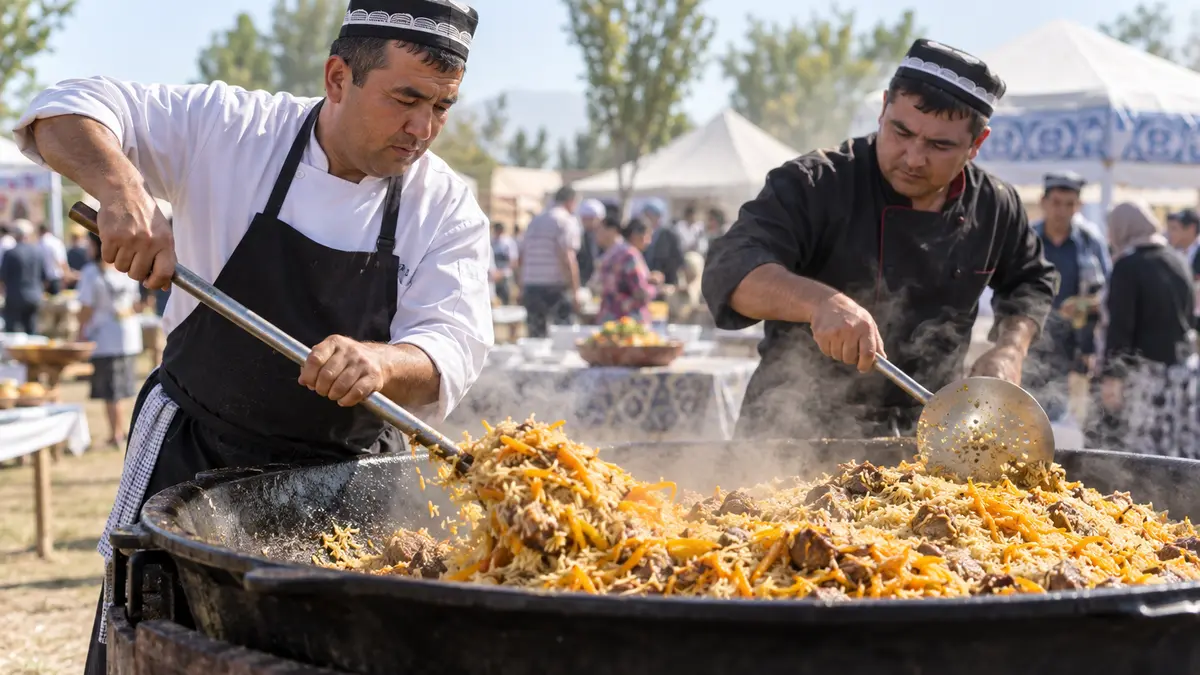 Uzbek Food and Cultural Traditions: From London’s Festival to Regional Tables
 Nilu and Sangardak: Village Tourism in Surkhandarya
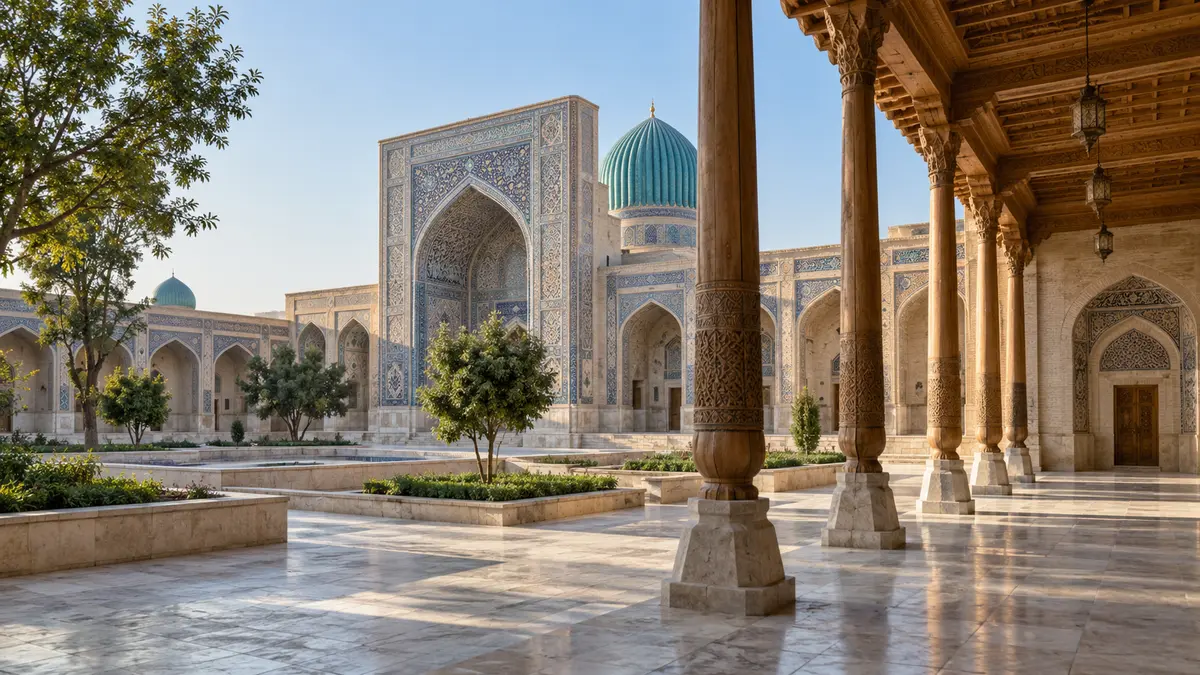 Imam al-Bukhari’s Heritage and Samarkand’s Pilgrimage Landscape
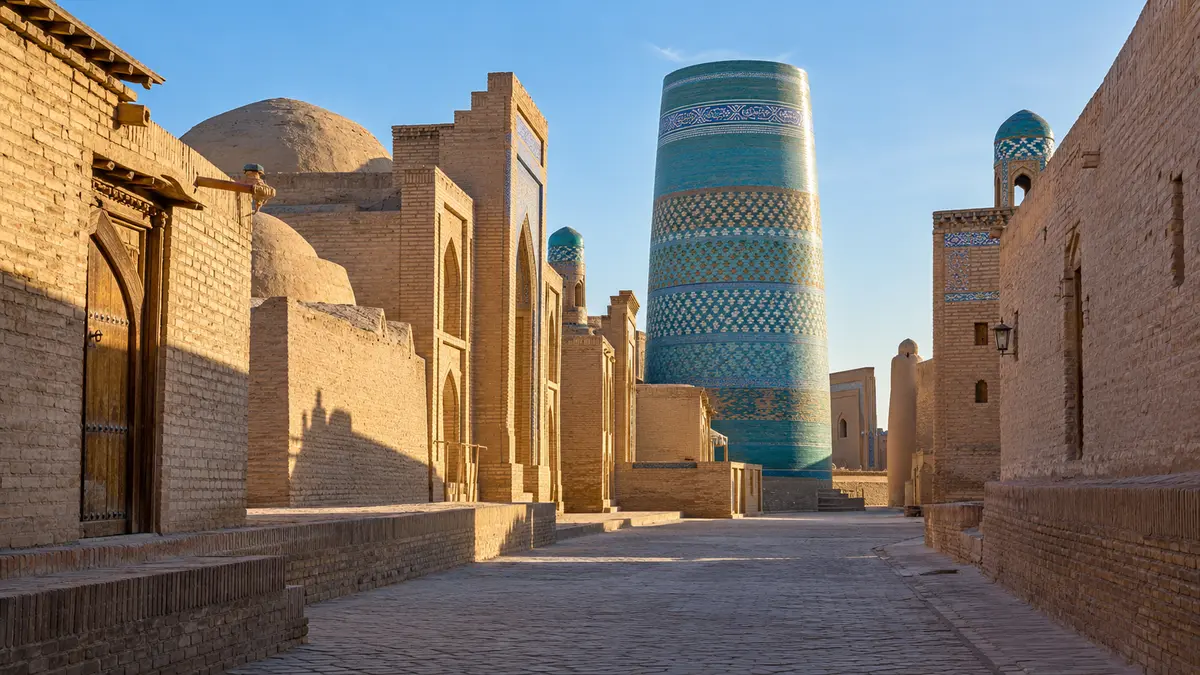 Khiva’s Walled City: Architecture, Palaces and Living Traditions
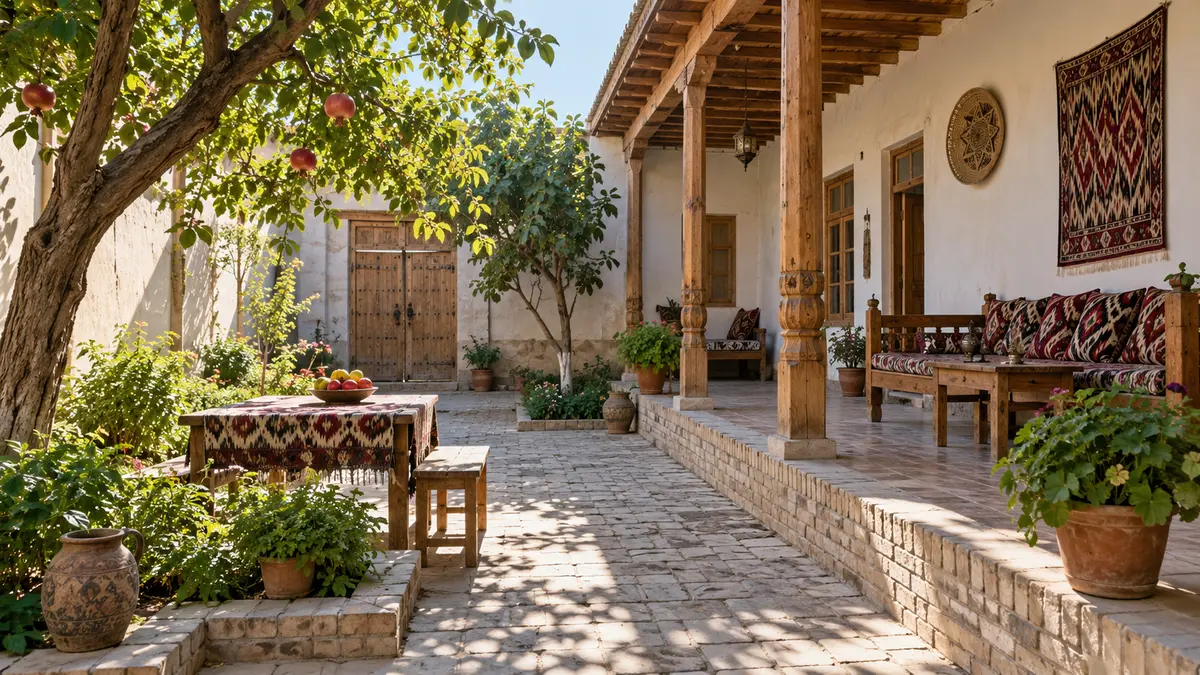 One Day in Kasri Orifon: Bukhara’s Pilgrimage Village
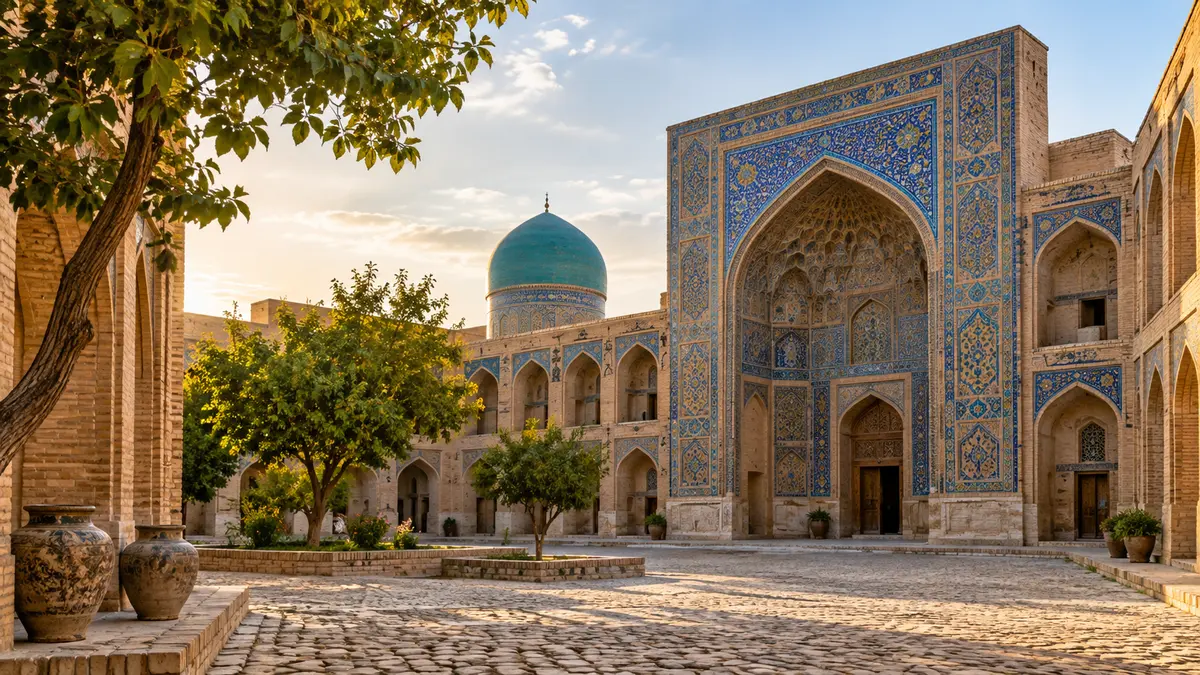 Uzbekistan's Tourism Expansion: Heritage Cities, Living Crafts and Regional Routes
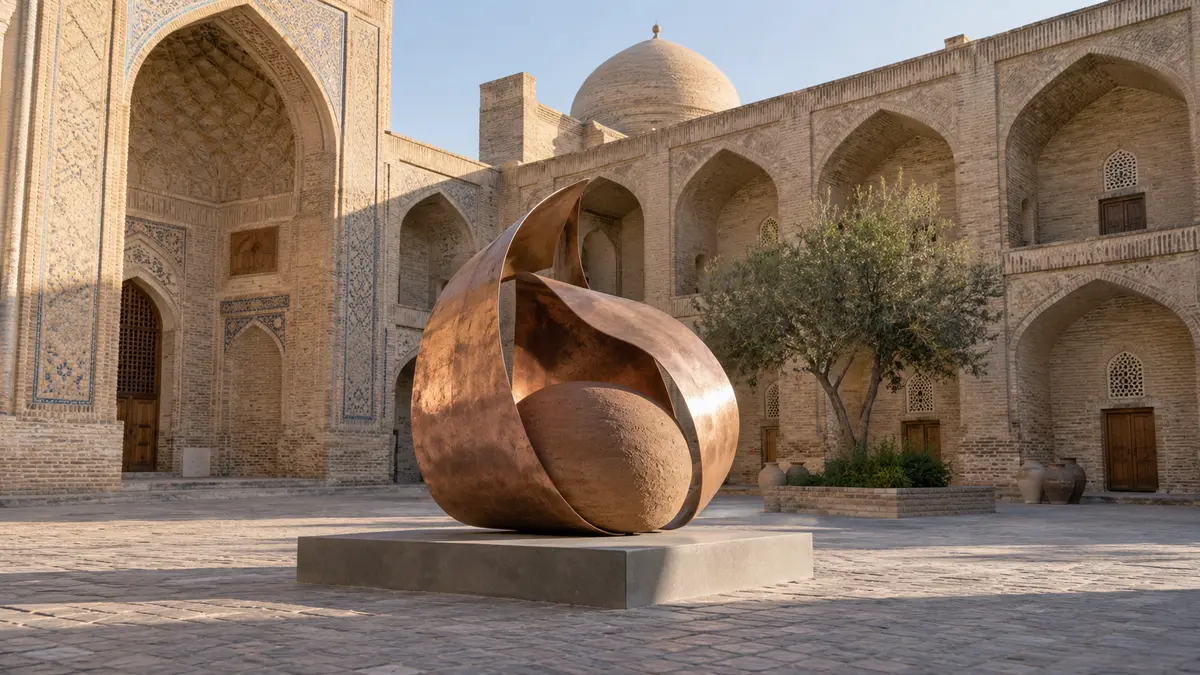 Bukhara’s Biennale: Contemporary Art in Historic Spaces
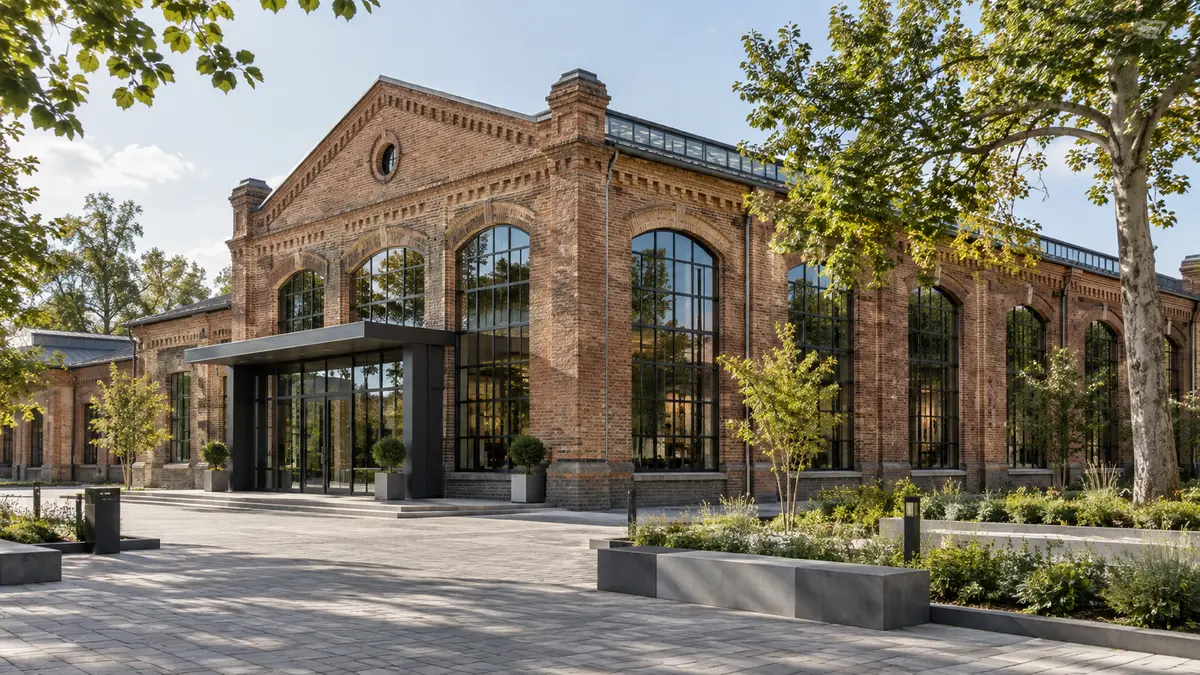 Tashkent’s Museums, Mahallas and New Cultural Spaces
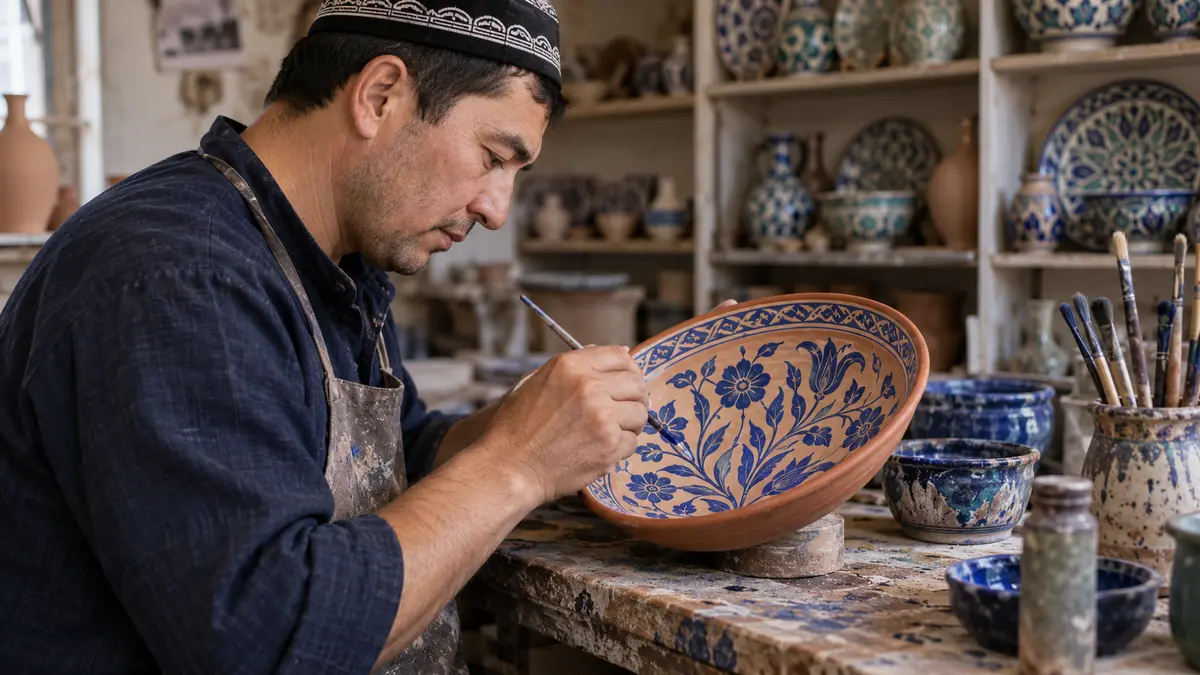 Rishtan’s Craft Neighbourhood and the Fergana Valley
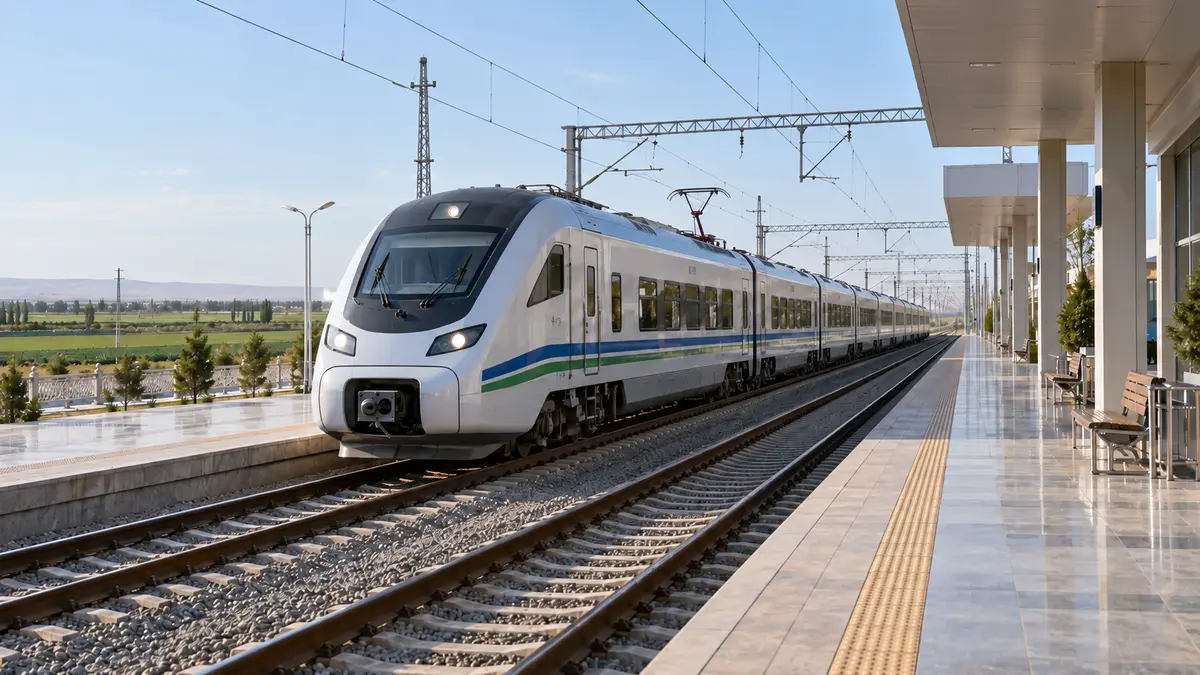 Uzbekistan’s Western Rail Corridor and the Journey to Khiva
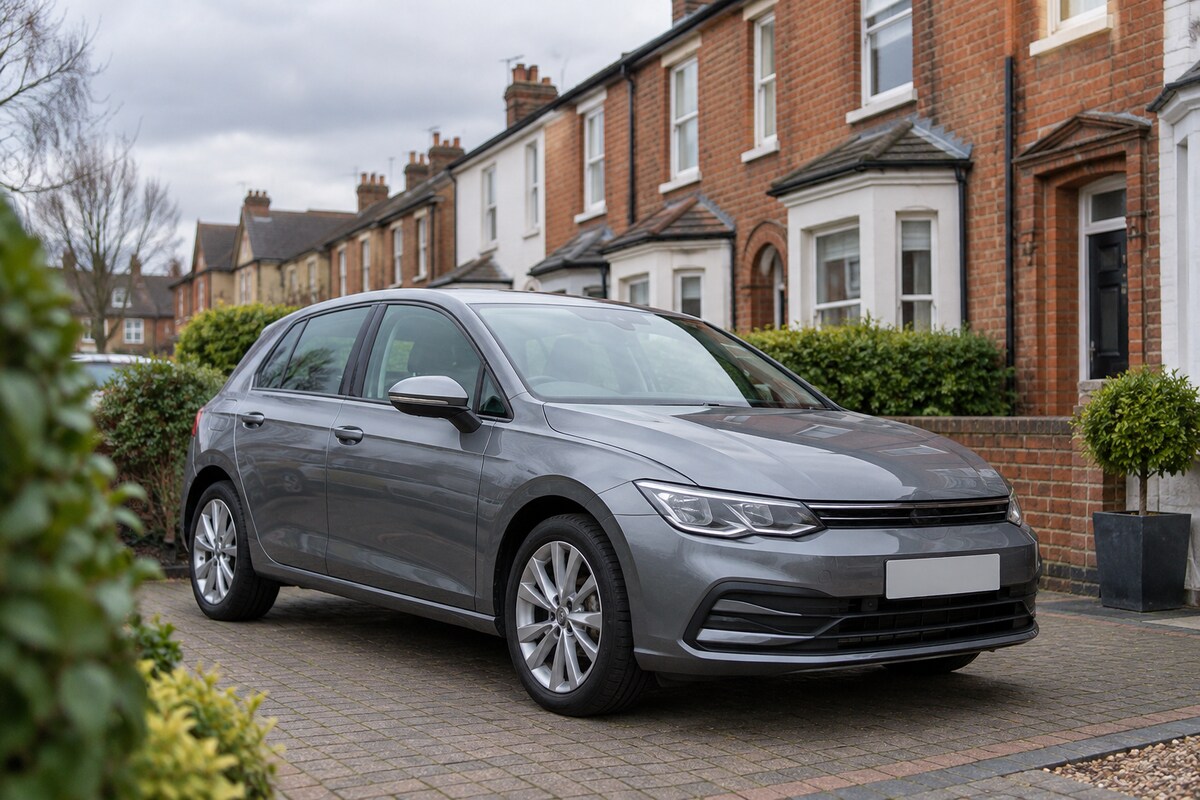 Ageas agrees Esure acquisition to widen UK insurance distribution
 Ancient Fortresses and Museums of Western Uzbekistan
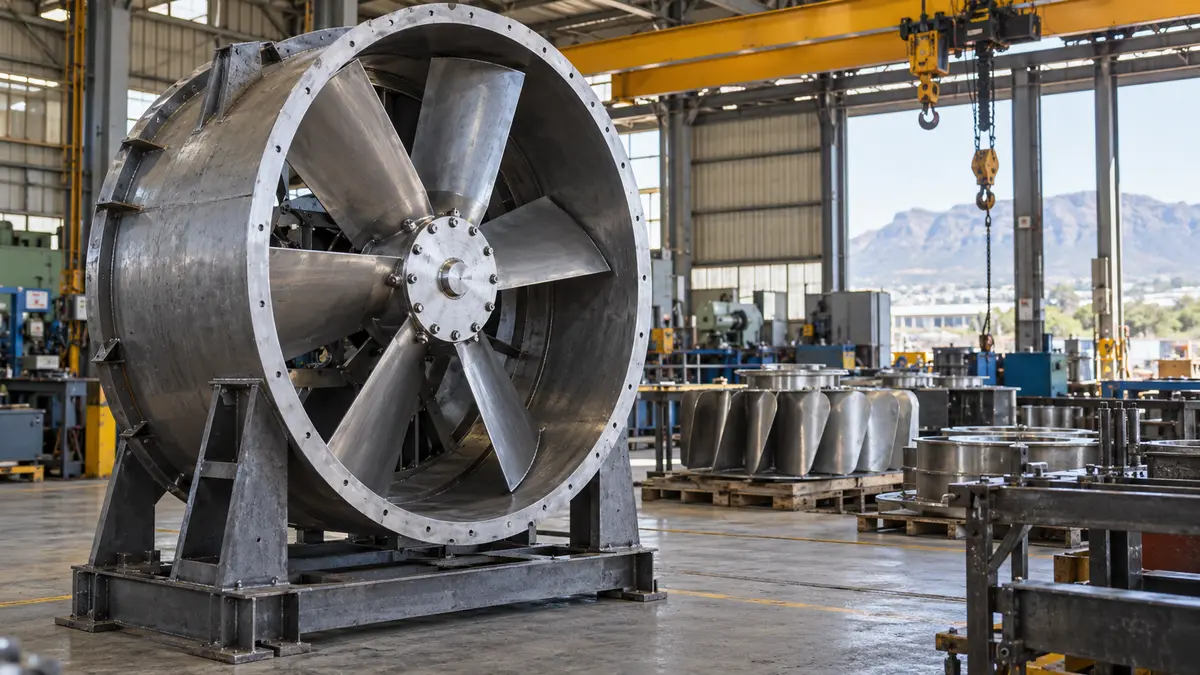 LH Marthinusen opens R32 million Germiston fan factory