UK train lessors’ accounts renew the ownership debate
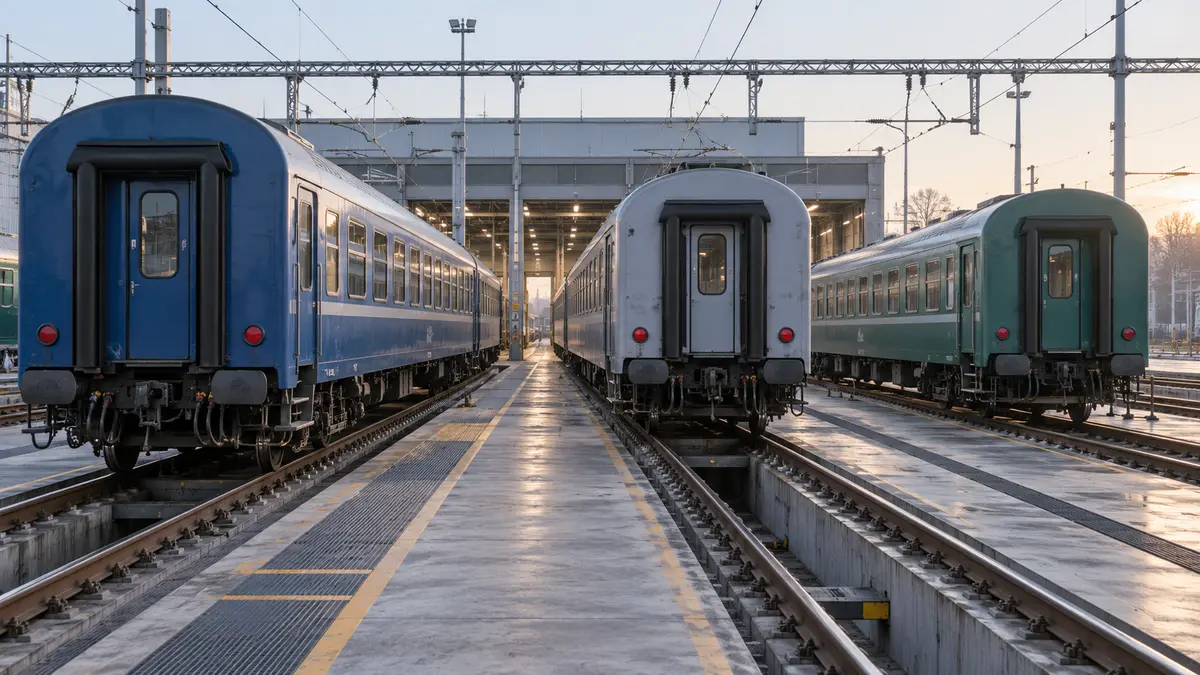
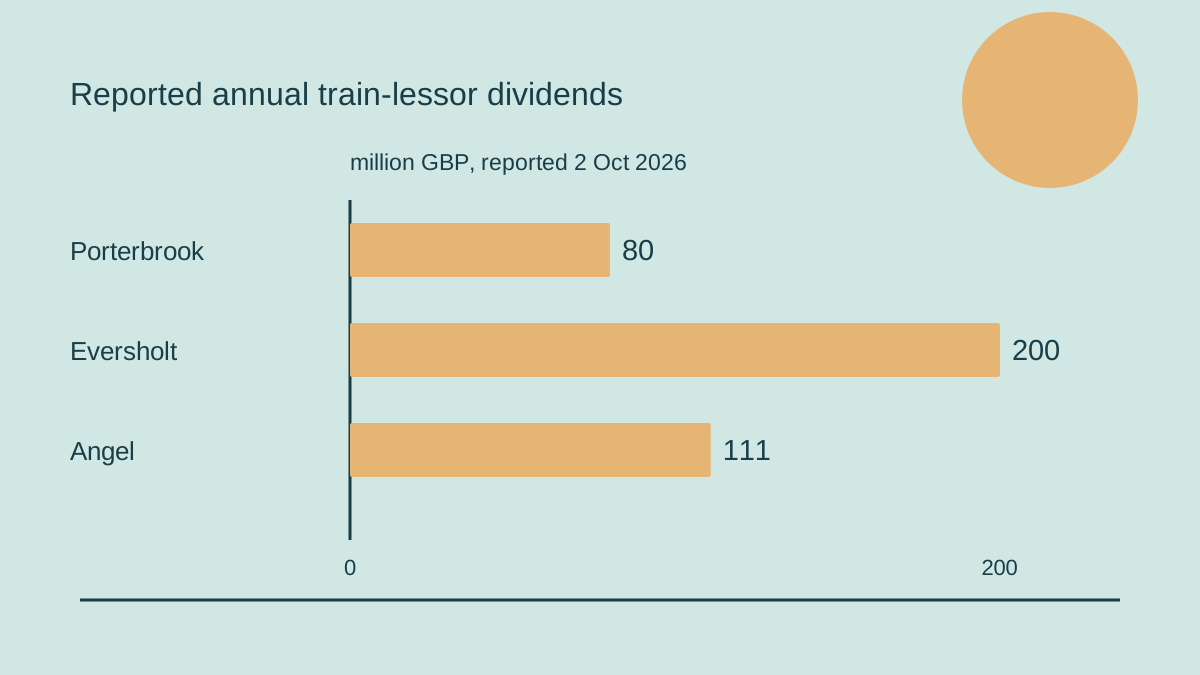
Accounts reported by The Guardian on 2 October show almost £400 million in dividends from three train-leasing businesses and about £3.5 million in combined chief-executive pay. The figures renewed debate over rolling-stock ownership in the United Kingdom. The reported dividend amounts are £80 million for Porterbrook, £200 million for Eversholt Rail and £111 million for Angel Trains.
Reported payments and policy are different measures
The three dividend amounts total £391 million. That arithmetic explains the description almost £400 million; it does not describe an additional payment. Dividends and executive remuneration also have different recipients and should not be combined into a single figure for operating costs. The figures describe reported payments, not an estimate of the cost of buying every train used on the network.
The government's 28 September strategy announcement says future procurement will assess direct public ownership, leasing and other finance arrangements for value. Existing leases remain in place. Considering ownership for new trains therefore does not establish that the current leased fleet has been transferred to a public body.
- Dividends concern payments to owners.
- Pay concerns remuneration of executives.
- Future procurement concerns the arrangement for obtaining new trains.
The debate also concerns investment
The Guardian reports union criticism, while Porterbrook and Angel Trains emphasise the role of investment and future fleet funding. Those positions should remain attributed. A reported distribution to shareholders does not by itself establish whether a particular fleet upgrade occurred, just as an intention to invest does not demonstrate expenditure already completed.
For readers following the policy discussion, it matters to compare the same periods and define what each figure covers. A company's annual payment, a future financing proposal and the operating cost of a train service are different observations. Comparing them requires identifying what each number covers before drawing an operational conclusion.
The current news links published company figures with a separate policy review. It does not announce an implemented levy, a fare reduction or the universal replacement of leasing. Those would require their own decisions and evidence. Keeping the reported accounts separate from possible future arrangements makes subsequent developments easier to assess without treating every proposal in the debate as an accomplished change.

















Leave a comment