Russia's Grain Harvest Reaches 113.5 Million Tonnes by September 8, 2026, Well Above Last Year
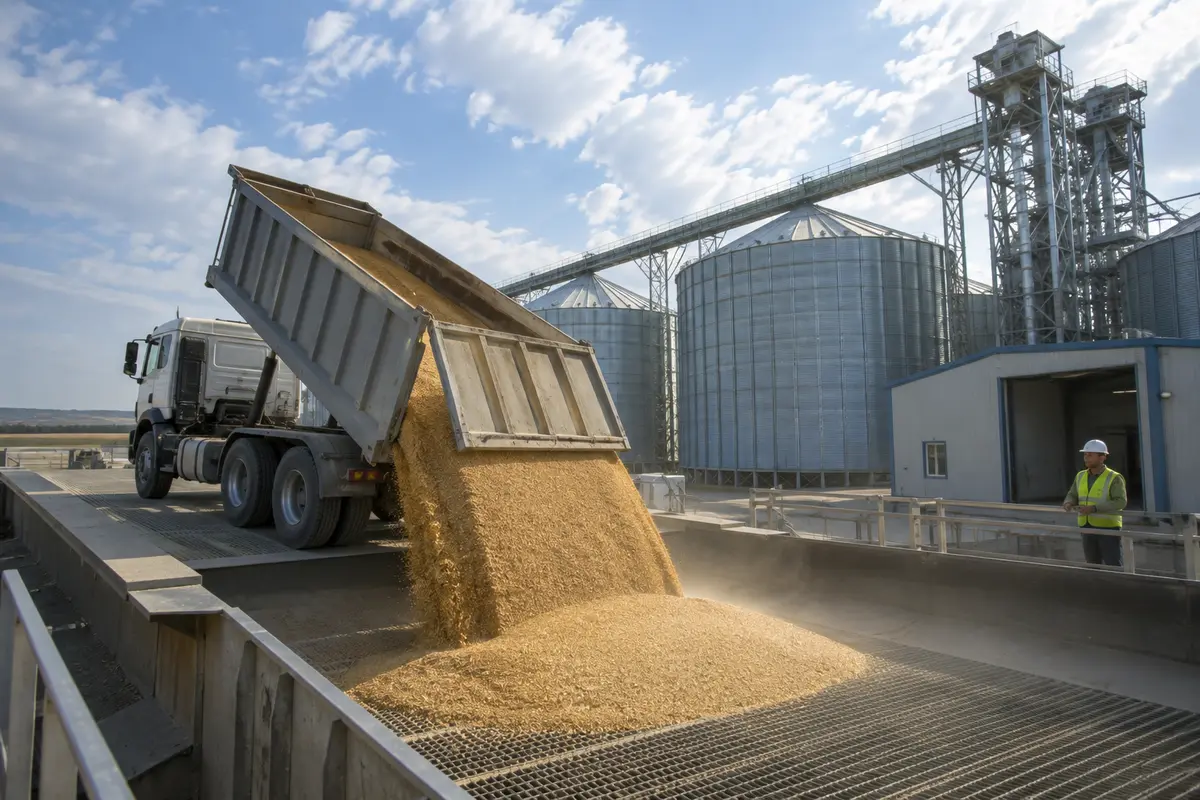
By September 8, 2026, Russia has harvested 113.5 million tonnes of grain — significantly more than last year. Deputy Prime Minister Dmitry Patrushev said this at a meeting on support measures for agricultural producers, Interfax reported on September 8, 2026. The harvest campaign is continuing across the country, and in the coming weeks, according to the deputy prime minister, winter sowing will gain momentum — a campaign whose result he called the foundation of the 2027 harvest.
The harvest campaign in numbers
The headline figure of the current campaign is 113.5 million tonnes of grain harvested by September 8, 2026. By Dmitry Patrushev's assessment, the result significantly exceeds last year's figures: the harvest is running with a clear surplus over the previous season. At the same time the harvest is not over: the campaign is ongoing, and the published figure is an interim result rather than the final total for the year.
- 113.5 million tonnes — grain harvested by September 8, 2026;
- the result significantly exceeds last year's figures;
- the harvest campaign is ongoing, with the year's final total still ahead;
- winter sowing for the future harvest will gain momentum in the coming weeks.
The deputy prime minister's statement was made at a meeting devoted to support measures for agricultural producers. In other words, the harvest figures were presented not in isolation but together with the government decisions intended to keep the harvest and the winter sowing that follows it running without disruptions.
Winter sowing as the foundation of the 2027 harvest
Dmitry Patrushev devoted a separate part of his statement to the upcoming winter sowing. In the coming weeks, he said, it will gain momentum, and it is very important that there be no disruptions here: the result of the winter sowing is the foundation of the 2027 harvest. The current autumn campaign is therefore directly tied to next year's crop, and any failure in the sowing would show up in the grain balance of 2027.
It is precisely the importance of the winter sowing that explains why part of the support package is aimed at compensating producers for their sowing costs and at creating the conditions for the sowing to be completed on time and in full.
The support package: transport, duties and per-hectare payments
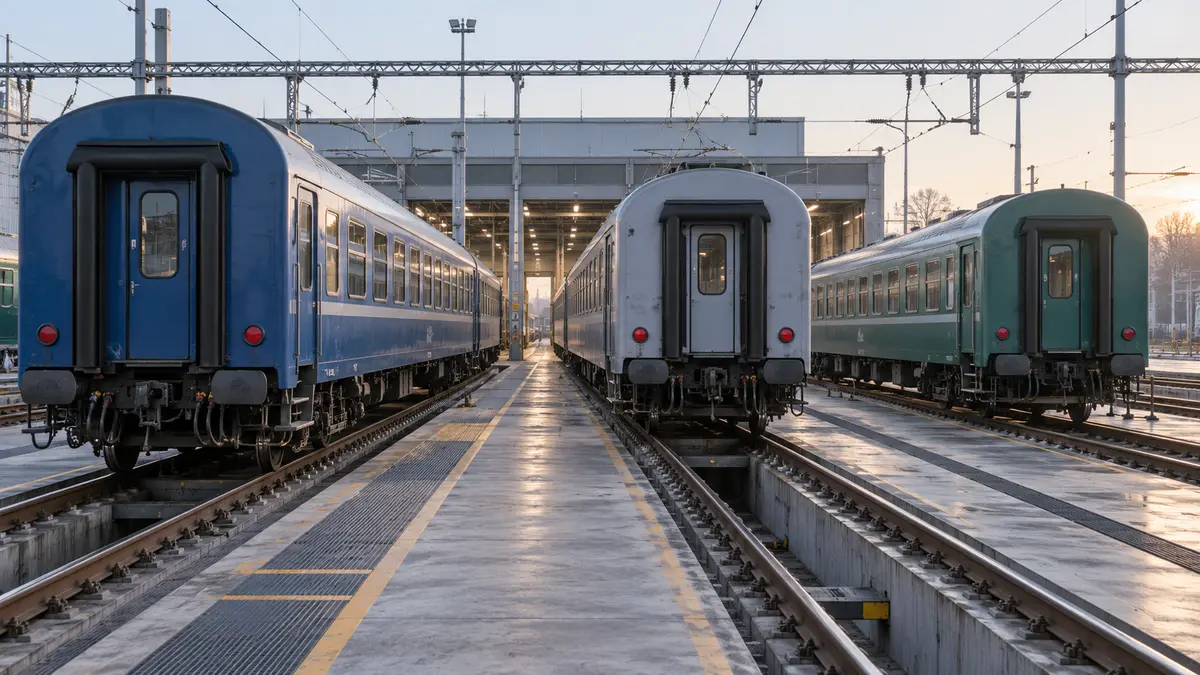
In late August 2026, around 10 billion roubles were additionally allocated to subsidize rail transport of agricultural products from regions with traditionally high harvest volumes. The measure addresses surplus regions, where the harvested volume exceeds local consumption and processing needs and has to be moved to other regions.
- payment of export duties on grains is suspended until the end of the year;
- the maximum rate of the duty on vegetable oil and meal is fixed at the August 2026 level;
- per-hectare financial support is provided to partially compensate the costs of winter sowing;
- short-term preferential loans and preferential leasing agreements are extended for grain producers from regions with a harvest surplus.
Taken together, these decisions cover both logistics and the economics of producers: subsidized transport helps move grain out of surplus regions, the suspension of grain export duties and the fixed duty on oil and meal set predictable rules for exporters and processors, and per-hectare support together with the extension of preferential loans and leasing underpins farm finances during the sowing period.

What remains under discussion
The support package is not limited to the measures already adopted. Two further initiatives, according to the source, remain at the discussion stage:
- a temporary moratorium on the bankruptcy of agricultural producers, together with preserving their status of agricultural producers;
- state procurement interventions to stabilize domestic prices.
The first addresses farms in a difficult financial position: the moratorium is discussed as a temporary measure alongside the preservation of agricultural producer status. The second concerns the domestic grain market — in the source's wording, procurement interventions are considered as a tool for stabilizing domestic prices. No final decisions on either point have been announced.
Conclusion
By September 8, 2026, Russia has harvested 113.5 million tonnes of grain — significantly more than last year — and the harvest campaign is still ongoing. Against this backdrop the state is assembling a support package: around 10 billion roubles for subsidized rail transport, suspension of grain export duties until the end of the year, a duty on vegetable oil and meal fixed at the August 2026 level, per-hectare support for winter sowing, and the extension of preferential loans and leasing. A bankruptcy moratorium for agricultural producers and procurement interventions remain under discussion. How smoothly these measures work in practice will be shown by the coming weeks of winter sowing, which Dmitry Patrushev called the foundation of the 2027 harvest.
















Leave a comment