South Korea's July 2026 Exports Reach $98.89 Billion, Second-Highest Month Ever on Chip Surge
South Korea's exports reached $98.89 billion in July 2026, rising 63 percent year on year and marking the second-highest monthly total in the country's export history, behind only the June record of $102.2 billion, according to data from the Ministry of Trade, Industry and Resources reported by the Yonhap News Agency on August 1, 2026. Imports grew 26.5 percent year on year to $68.56 billion, leaving a monthly trade surplus of $30.32 billion. The semiconductor line again carried the result: chip shipments climbed 179 percent to $41 billion, a second consecutive month above the $40 billion mark, while exports excluding semiconductors rose 26 percent.
July 2026: the second-highest month on record
The July dataset places the month directly below the June peak in the historical ranking. At $98.89 billion, the monthly total sits $3.31 billion under June's $102.2 billion record and 63 percent above July 2025. The surplus of $30.32 billion follows from the two published flows — $98.89 billion of exports against $68.56 billion of imports — and the import growth of 26.5 percent, far slower than the export growth of 63 percent, is what allowed the gap between the two flows to widen to that size.
- exports — $98.89 billion, up 63 percent year on year, the second-highest monthly total ever;
- imports — $68.56 billion, up 26.5 percent year on year;
- trade surplus — $30.32 billion;
- semiconductors — $41 billion, up 179 percent year on year, the second consecutive month above $40 billion;
- exports excluding semiconductors — up 26 percent year on year.
The ranking itself is the notable part of the July release: a month that would have been an all-time record in any earlier year now stands second, because June 2026 had already moved the ceiling to $102.2 billion. Two consecutive months near or above the $100 billion line describe a different export regime from the one that preceded them, and the July figures keep the monthly series inside that new band.
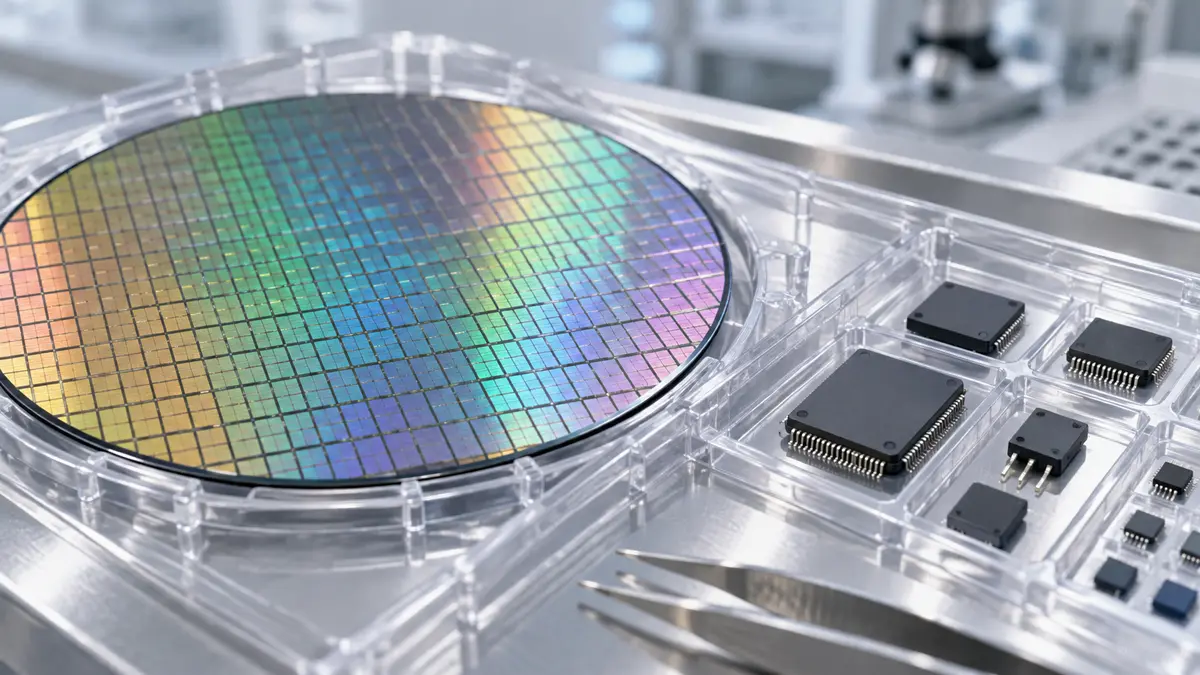
Semiconductors: AI demand and memory prices
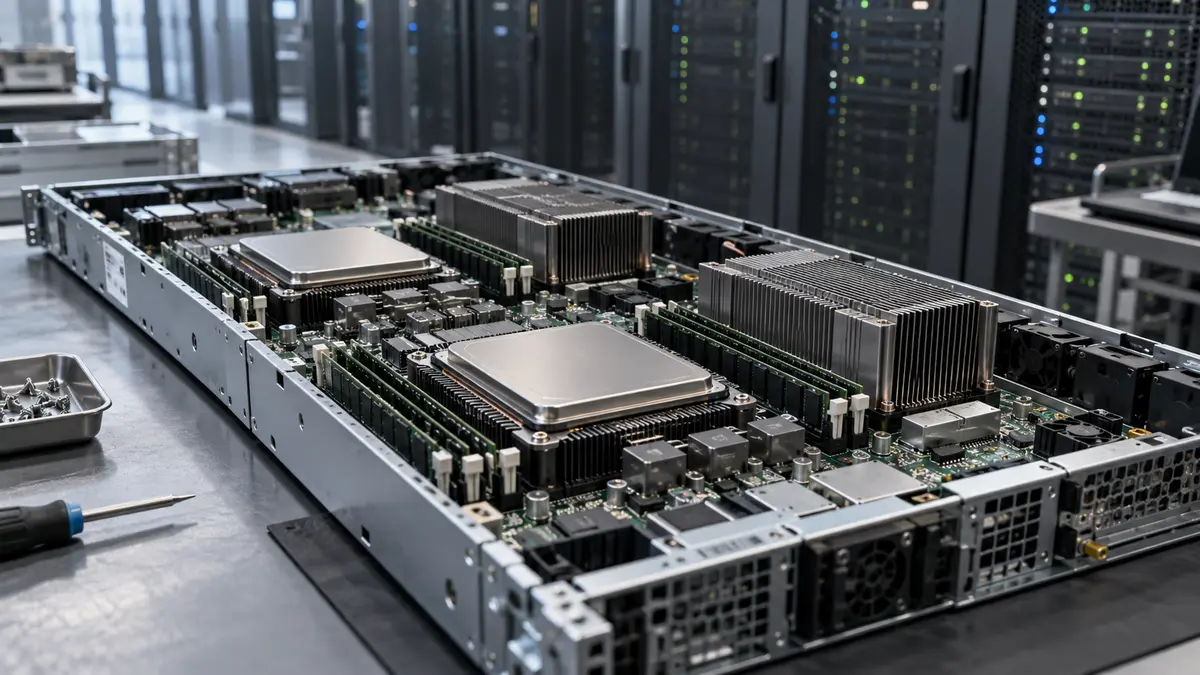
Chip exports of $41 billion were 179 percent above July 2025 and kept the semiconductor line above $40 billion for a second consecutive month. The source attributes the strength to two factors acting together: demand from AI data centers and rising prices for DRAM and NAND memory. The same dataset shows why the chip line determines the headline: with chips excluded, total exports grew 26 percent — strong in absolute terms, but less than half the 63 percent headline rate, which means semiconductors supplied the bulk of the year-on-year increase once again.

Where the July shipments went
The regional breakdown of July shipments shows growth in every major destination, with the fastest expansion recorded in Asia:
- China — $21.68 billion, nearly double the level of July 2025;
- Southeast Asia — $18.8 billion, up 73.7 percent;
- the United States — $17.4 billion, up 68.7 percent, on AI data-center investments;
- the European Union — $9.38 billion, up 55.7 percent.
China's near-doubling to $21.68 billion returned the country to the top of the destination table, ahead of Southeast Asia and the United States, while the 68.7 percent increase in shipments to the United States is tied in the source to AI data-center investment rather than to consumer demand. The four lines together — $21.68 billion, $18.8 billion, $17.4 billion and $9.38 billion — add up to $67.26 billion of the $98.89 billion monthly total, or close to 68 percent of all July exports, so the regional concentration of the month matches its product concentration.
The wider basket: 19 of 20 categories up
Beyond semiconductors, the July report shows gains in 19 of the 20 major export categories. The item-level lines published by the source:
- automobiles — $6.2 billion, up 7 percent, on hybrid and other eco-friendly demand;
- petroleum products — $5.68 billion, up 34.1 percent, with volumes down on domestic supply stabilization and values up on Middle East-driven oil prices;
- petrochemicals — $4.18 billion, up 10.3 percent;
- mobile devices — $1.81 billion, up 51 percent, supported by the Galaxy S26;
- home appliances — $600 million, down 4.1 percent, the only decliner among the top 20 items, on weak US housing demand.
The only decliner
Home appliances stand alone on the negative side of the July table: minus 4.1 percent to $600 million, against gains in the other 19 major categories. The source ties the decline to weak housing demand in the United States — the same market whose AI data-center investments lifted shipments from Korea by 68.7 percent overall, a split picture inside a single destination.
The government's reading: diversification and headwinds
Industry Minister Kim Jung-kwan framed the July result as evidence of a diversified export portfolio, while pointing to the risks that surround it: protectionism and uncertainties in the Middle East. On the source's account, the minister said the government would use all available policy measures against tariffs and non-tariff barriers. The two statements belong together: the breadth of the July gains — 19 of 20 categories in growth and four major destination regions all above 55 percent — is the diversification the minister cited, and the headwinds he named are the ones that could narrow it.
- the semiconductor line, at $41 billion and a second month above $40 billion, remains the single largest contributor to the monthly total;
- the non-chip basket, growing 26 percent, shows that the July result does not rest on semiconductors alone;
- the commitment named by the minister — all available measures against tariffs and non-tariff barriers — is directed at the protectionist headwinds he listed alongside Middle East uncertainties.
Conclusion
July 2026 gave South Korea its second-highest export month ever: $98.89 billion, up 63 percent year on year and $3.31 billion below June's record of $102.2 billion. Imports of $68.56 billion, up 26.5 percent, left a surplus of $30.32 billion. Semiconductors, at $41 billion and up 179 percent, held above $40 billion for a second month on AI data-center demand and rising DRAM and NAND prices, while the ex-chip basket grew 26 percent and 19 of 20 major categories posted gains. With China near $21.68 billion, Southeast Asia at $18.8 billion, the United States at $17.4 billion and the EU at $9.38 billion, the July dataset describes broad-based growth that the government, in Minister Kim Jung-kwan's words, intends to defend with all available policy measures against tariffs and non-tariff barriers.















Leave a comment