FDI Pledges to South Korea Hit Record US$34.5 Billion in 2024 While Arrivals Fall 24.2%
South Korea attracted US$34.5 billion in foreign direct investment pledges in 2024, the highest annual total on record, according to Ministry of Trade, Industry and Energy (MOTIE) data released on Jan 7, 2025 and reported by Yonhap News Agency. The pledge total is 5.7% above the previous record of US$32.7 billion set in 2023, even though the money that actually arrived in the country moved in the opposite direction.
A record for pledges, a decline for arrivals
The 2024 statistics combine two series that point in different directions. Pledges — the commitments foreign investors announce for new or expanded projects — reached an all-time high, while arrivals, the funds actually transferred into the country, contracted by almost a quarter over the same period.
- FDI pledges in 2024: US$34.5 billion, up 5.7% year on year and the highest figure on record;
- previous record: US$32.7 billion, set in 2023;
- actual FDI arrivals in 2024: US$14.7 billion, down 24.2% year on year.
The divergence matters for how the record is read. A pledge is a statement of intent that can be revised, staged or delayed before money moves; an arrival is the transfer itself. The 2024 set therefore records both the strongest vote of intent in the history of the series and one of its sharpest contractions in realized money.
Manufacturing drives the pledge growth
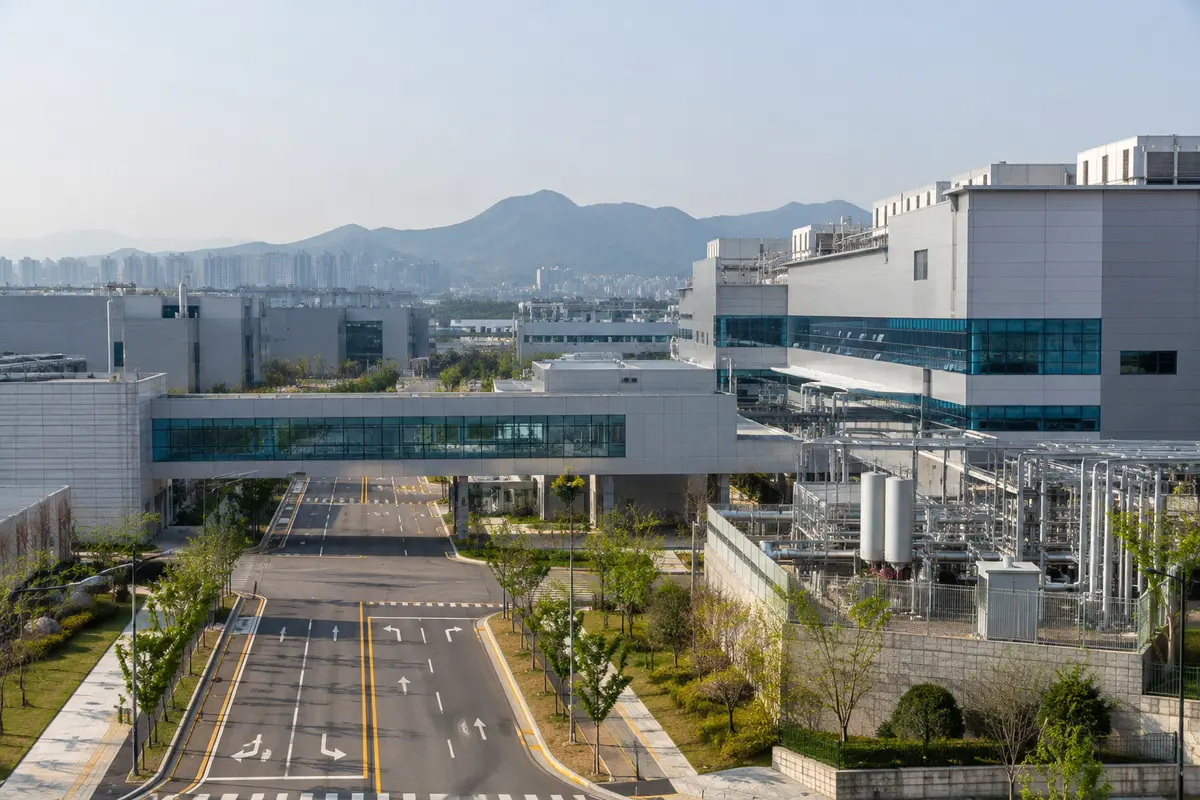
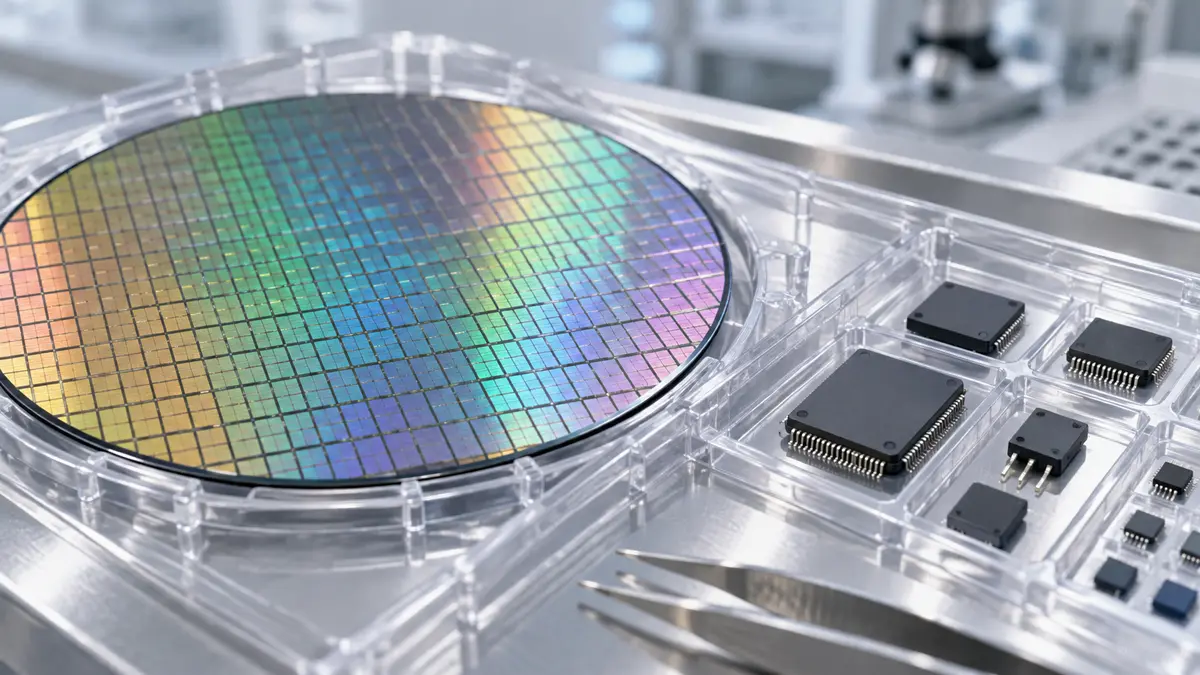
The composition of the record explains where the additional intent came from. Manufacturing pledges grew 21.6% to US$14.49 billion, and within manufacturing the fastest expansion came from the materials, parts and equipment group, which rose 52.7% to US$11.13 billion. Semiconductors, the sector at the center of the country's industrial policy, drew pledges up 46.5% to US$1.33 billion, and bio-health pledges more than tripled to US$1.23 billion.
Sector breakdown of the 2024 pledges
- Manufacturing: up 21.6% to US$14.49 billion;
- materials, parts and equipment: up 52.7% to US$11.13 billion;
- semiconductors: up 46.5% to US$1.33 billion;
- bio-health: more than tripled, to US$1.23 billion;
- services: up 0.3% to US$17.83 billion, led by real estate and communications.
Services remained the larger of the two blocks in absolute terms, at US$17.83 billion, but its 0.3% growth means essentially all of the year's momentum sat on the manufacturing side of the ledger, and inside manufacturing in the inputs group — materials, parts and equipment — rather than in final assembly alone.

Minister reads the record as a vote of confidence
Industry Minister Ahn Duk-geun framed the result as evidence that foreign capital continues to trust the country's economic base. The performance, he said, "proves global investors are showing confidence in the fundamentals of the South Korean economy despite the current situation in the country." The wording ties the record pledge total directly to investor assessment of long-run fundamentals rather than to short-run conditions.
That reading is consistent with the sectoral pattern: the groups that grew fastest — materials, parts and equipment, semiconductors, bio-health — are precisely the segments where investment decisions commit capital for many years, and where a pledge signals a view of the host economy's durable strengths.
What the 2024 numbers leave open
The two series published together set the agenda for the period ahead. A record US$34.5 billion of pledges is a pipeline of projects that may convert into arrivals over subsequent periods, while the 24.2% contraction in arrivals shows that conversion is neither automatic nor immediate. The manufacturing-heavy mix of the pledges, led by inputs and semiconductors, indicates where any future recovery in arrivals would most likely originate, and the minister's confidence argument states the government's expectation that the pipeline will, in time, show up in realized investment.







Leave a comment